RMH Systems Insights

Industry Knowledge & Automation Blog

Explore the latest technical articles, warehouse automation trends, industrial robotics innovations, and practical guides from our engineering team.

Blog

10 Tips for Choosing Package Sortation Systems

10 Tips for Choosing Package Sortation Systems

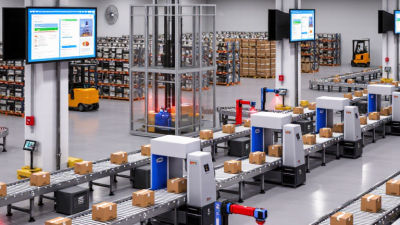
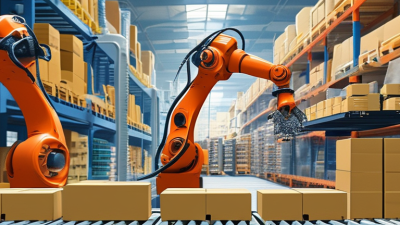
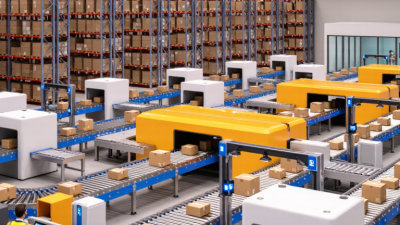
Choosing the right Package Sortation Systems can shape every stage of a fulfillment operation. A reliable system moves parcels smoothly from induction to the correct shipping lane. It can reduce manual handling, improve order accuracy, and protect delivery schedules during peak periods. Yet, equipment that performs well in one facility may struggle in another. Every warehouse has different conditions. A narrow building may require compact conveyors and flexible routing. A high-volume operation may need scanners, sortation chutes, and software that respond within milliseconds. Parcel size, weight, packaging materials, labor skills, maintenance access, and future growth also deserve careful attention. Small details matter. A noisy motor near a packing station can affect the working environment. A poorly placed photo-eye can create repeated stoppages. This guide presents ten practical tips for evaluating Package Sortation Systems with greater confidence. It considers throughput, accuracy, integration, safety, energy use, scalability, and total ownership costs. Real performance depends on more than impressive specifications. Site testing, operator feedback, service support, and clear performance data often reveal the difference between a promising proposal and a dependable investment. No system is perfect. Buyers may overlook cleaning access, software training, or seasonal volume changes. That mistake can become expensive later. A thoughtful evaluation should question assumptions, compare realistic operating conditions, and leave room for improvement. The goal is not to select the most complex system. It is to choose a solution that fits the facility, supports its people, and performs consistently as package demands change.
Read more »
Oliver By:Oliver - October 13, 2026
What Are the Top China Warehouse Conveyor Systems?

What Are the Top China Warehouse Conveyor Systems?

China’s warehouse sector is moving from manual handling toward faster, data-driven material flow. Warehouse Conveyor Systems now support picking, sorting, storage, and dispatch across electronics, retail, automotive, and parcel operations. MarketsandMarkets estimates that the global conveyor system market may grow from approximately USD 7.8 billion in 2023 to USD 10.6 billion by 2028. Its report identifies automation, labor shortages, and e-commerce growth as major drivers. MHI’s 2024 Annual Industry Report also shows that supply-chain leaders continue investing in robotics, sensors, and integrated software. The direction is clear. But “top” does not simply mean the fastest conveyor. In China, leading systems often combine belt conveyors, roller conveyors, vertical lifts, sorters, barcode scanners, and warehouse management software. A parcel hub may process cartons continuously, while a cold-storage facility demands corrosion resistance and stable performance at low temperatures. Small design differences matter. John Paxton, former CEO of MHI, stated, “The importance of supply chain technology and innovation has never been more evident.” This observation fits China’s market, where manufacturers increasingly compete through integration, service coverage, and customization. Still, published market forecasts are not perfect. Definitions vary. Some reports measure equipment sales, while others include software and installation services. Buyers should therefore examine throughput, noise, energy use, maintenance access, safety controls, and after-sales support. This guide reviews the top China Warehouse Conveyor Systems by technology, application, scalability, and practical reliability. The strongest option may not be the cheapest. It may be the one that keeps moving at 2 a.m., when every delayed carton becomes visible.
Read more »
Oliver By:Oliver - October 8, 2026
2026 Best Automated Storage and Retrieval Systems to Buy

2026 Best Automated Storage and Retrieval Systems to Buy

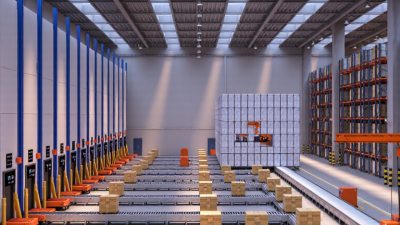
Choosing the 2026 Best Automated Storage and Retrieval Systems to Buy requires more than comparing glossy product brochures. Warehouse leaders must examine throughput, storage density, retrieval accuracy, payload limits, and software compatibility. A system that moves 300 totes per hour may still disappoint if replenishment delays interrupt picking. Small details matter, too. Consider aisle width, ceiling height, fire protection, floor tolerance, and maintenance access before signing a contract. This guide evaluates Automated Storage and Retrieval Systems through practical warehouse conditions, not marketing claims alone. It considers shuttle systems, crane-based solutions, vertical lift modules, robotic cube storage, and pallet-focused platforms. Each option suits different inventory profiles, order volumes, labor models, and expansion plans. Evidence should include manufacturer specifications, independent testing, customer experience, and measurable uptime data. Vendor demonstrations help, but they rarely reproduce peak-season pressure. There is no universal winner. Not even close. A high-speed system can become expensive overcapacity for a modest operation. Meanwhile, a simpler design may deliver stronger value with easier servicing. Cost estimates also deserve caution, because integration, building changes, training, spare parts, and software upgrades can reshape the final budget. Some published performance figures reflect ideal conditions, not mixed inventory or human interruptions. The recommendations ahead aim to support informed purchasing decisions in 2026. They highlight operational fit, reliability, safety features, implementation risks, and long-term ownership costs. Buyers should verify every critical claim with site-specific testing and contract terms. A careful pause may prevent a very costly surprise.
Read more »
Ethan By:Ethan - October 3, 2026
What Are the Best Warehouse Racking Systems in China?

What Are the Best Warehouse Racking Systems in China?

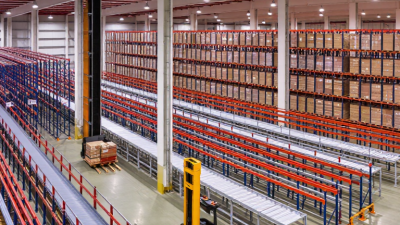
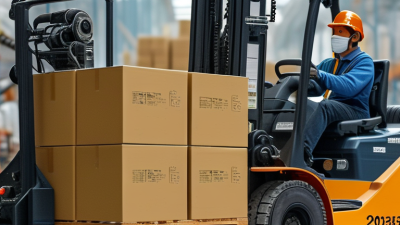
Selecting the best Warehouse Racking Systems in China starts with the work your facility needs to perform. China has a broad supplier base, with options ranging from selective pallet racks to drive-in, push-back, carton-flow, and cantilever systems. Automated storage solutions may also suit operations with high throughput or limited floor space. Yet the most advanced design is not automatically the right one. A busy distribution center handling mixed pallets has different needs from a parts warehouse storing long steel sections. Start with measurable details: pallet size, maximum load, daily movements, forklift type, aisle width, and clear ceiling height. Check the condition and capacity of the floor slab, too. A few centimeters can affect a forklift’s turning path or usable storage space. Details decide. Ask suppliers for layout drawings, load calculations, material specifications, and clear guidance on installation and inspection. Where local engineering or safety requirements apply, have qualified professionals review the design before purchase. A reliable comparison looks beyond the quoted price. Assess manufacturing experience, quality-control procedures, project references, warranty terms, spare-part availability, and after-sales support. Compare equivalent specifications; one quotation may include installation while another covers equipment only. Request evidence for important performance and load claims rather than relying on sales language. That matters. And be candid about uncertainty: forecasts for future inventory or throughput are often wrong. A flexible layout can help, but it cannot fix poor measurements or unclear operating plans. The right system is the one that safely fits the goods, equipment, building, and workflow—not simply the one with the most impressive brochure.
Read more »
Logan By:Logan - September 28, 2026
What Are Industrial Scales and Which Type Is Right?

What Are Industrial Scales and Which Type Is Right?

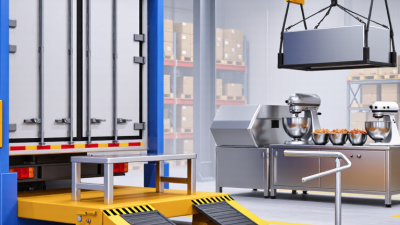
Industrial Scales are no longer simple platforms with digital displays. They are measurement systems supporting production, inventory control, quality assurance, and regulated trade. A weighbridge may handle trucks, while a hygienic bench scale measures ingredients beside a stainless-steel mixer. The application changes everything. Industry reports from Grand View Research and MarketsandMarkets identify manufacturing, logistics, food processing, and retail as major demand sectors. Their findings also highlight automation, connectivity, and higher weighing accuracy as continuing market drivers. However, market growth does not make every scale suitable for every workplace. NIST Handbook 44 provides technical requirements for commercial weighing equipment in the United States. OIML R 76-1 addresses non-automatic weighing instruments internationally. These references emphasize accuracy, repeatability, verification, and environmental influence. A dusty warehouse can affect performance. So can vibration, temperature changes, and uneven loading. Dr. John S. Cameron, a former NIST metrology specialist, expressed a practical principle: “A weighing result is only meaningful when its uncertainty is understood.” That idea deserves attention. Capacity alone is not enough. The right Industrial Scales choice depends on load size, resolution, platform design, cleaning conditions, data integration, and legal-for-trade needs. Select a floor scale for pallets. Choose a bench scale for controlled workstation tasks. Consider checkweighers when speed and reject accuracy matter. Crane scales suit suspended loads, but they demand careful safety procedures. Some purchasing decisions still focus too heavily on price. That shortcut fails surprisingly often. A cheaper scale may create costly rechecks, production delays, or inconsistent records. This guide compares the main types, explains their strengths, and shows where each design may become a poor fit.
Read more »
Oliver By:Oliver - September 23, 2026
10 Tips for Choosing Overhead Crane Systems

10 Tips for Choosing Overhead Crane Systems

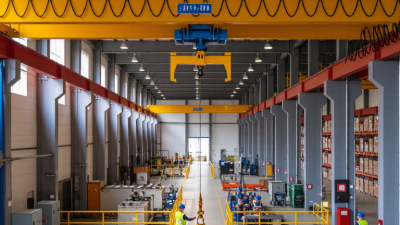
Choosing Overhead Crane Systems is not simply a matter of selecting the highest capacity or lowest price. The right system must fit your building, production rhythm, load profile, and maintenance resources. A 10-ton crane may appear suitable on paper, yet its runway could restrict aisle access or reduce valuable hook height. Small details matter. In plant assessments, experienced engineers examine how materials actually move. They watch loading points, travel distances, floor conditions, operator visibility, and emergency access. They also review lifting frequency, duty cycles, beam strength, controls, and available power. A reliable supplier should provide clear calculations, inspection guidance, installation records, and responsive technical support. Ask for evidence. Do not rely on confident promises alone. Safety remains central, but productivity deserves equal attention. A slow crane can create bottlenecks beside a busy machining cell. An oversized system can increase structural demands and long-term costs. Pendant controls may work well in a compact workshop, while remote controls suit larger or hotter areas. The decision is rarely perfect. I have seen projects focus heavily on purchase price and overlook future maintenance access. That mistake becomes expensive. These ten tips offer a practical framework for comparing Overhead Crane Systems with greater confidence. They encourage careful questions about capacity, configuration, controls, installation, training, inspections, and lifecycle value. Conditions differ between facilities. Recheck every assumption before approval. A thoughtful choice should lift safely today and remain dependable years later.
Read more »
Logan By:Logan - September 18, 2026
2026 Best Automated Material Handling Systems for Global Buyers?

2026 Best Automated Material Handling Systems for Global Buyers?

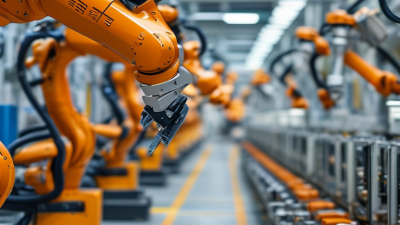
As the demand for efficiency in supply chains rises, the adoption of Automated Material Handling Systems (AMHS) has become crucial. According to a report from MarketsandMarkets, the AMHS market is projected to reach $26.7 billion by 2026, driven by advancements in technology and a shift towards automation in industries such as e-commerce and manufacturing. This growth underscores the need for global buyers to evaluate the best solutions available in the market. John McDonald, a leading expert in material handling technology, states, “Investing in Automated Material Handling Systems can transform operational efficiency.” His insight reflects the industry's shift towards integrating automated solutions. Companies are increasingly recognizing that AMHS can reduce manual labor costs and improve throughput. They are also aware of the challenges in implementation, including integration with existing infrastructure and the need for ongoing maintenance. Despite these advancements, not all systems are equal. Evaluating the right AMHS requires careful consideration of specific needs and operational processes. Buyers must reflect on their long-term goals and the adaptability of these systems. In a rapidly evolving landscape, the ideal solution will not only cater to current demands but also anticipate future challenges. Understanding this dynamic is essential for making informed decisions in selecting the best Automated Material Handling Systems.
Read more »
Oliver By:Oliver - August 18, 2026