RMH Systems Insights

Industry Knowledge & Automation Blog

Explore the latest technical articles, warehouse automation trends, industrial robotics innovations, and practical guides from our engineering team.

0%

In today's fast-paced supply chain landscape, businesses are increasingly turning to Automated Packaging Systems to enhance efficiency and reduce costs. According to a recent report by the Packaging Machinery Manufacturers Institute, 90% of companies using automation noted significant improvements in their operational efficiency. This shift highlights the growing reliance on technology to meet consumer demands.

Automated Packaging Systems streamline the packaging process, minimizing human error and speeding up production. With an investment in such technology, companies can achieve a return on investment (ROI) of up to 30% within the first year. However, as with any technological advancement, challenges remain. Many businesses struggle with the initial costs and integration into existing systems. These hurdles can create hesitance among stakeholders.

Moreover, data from the Freedonia Group indicates that over 70% of manufacturers are concerned about the adaptability of their automated solutions. They fear changes in market demands could outpace their capabilities. The quest for the best Automated Packaging Systems is ongoing. Companies must balance innovation with practicality, ensuring they adopt solutions that not only meet current needs but also future-proof their supply chains.
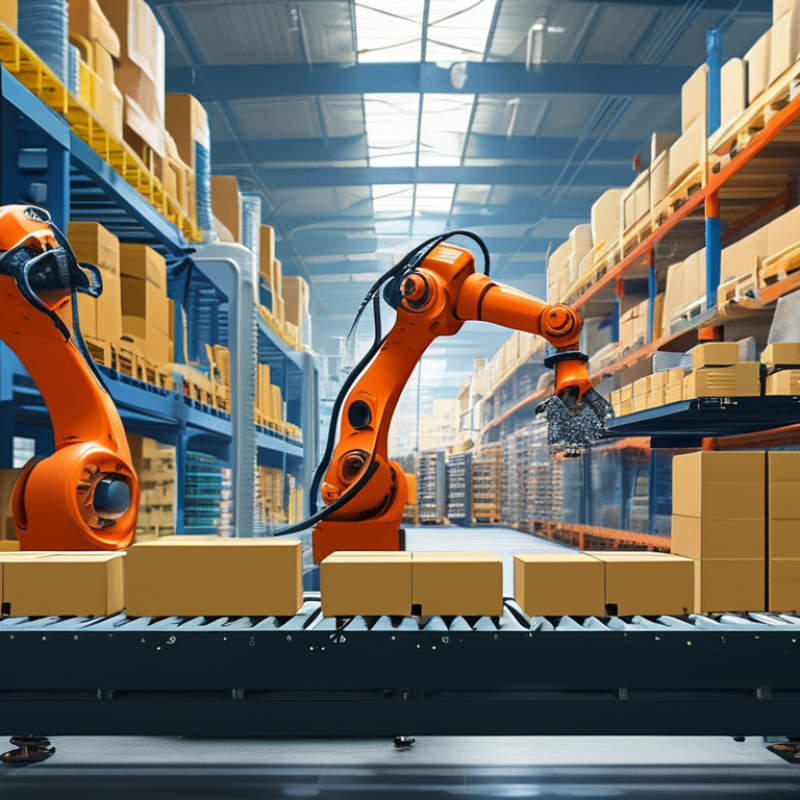
Best Automated Packaging Systems for Efficient Supply Chains?

Overview of Automated Packaging Systems in Supply Chains

Automated packaging systems play a vital role in enhancing supply chain efficiency. As industries face increasing demands, these systems offer a solution. Recent data indicates that companies adopting automation can achieve up to a 30% increase in packaging speed. This increase leads to improved throughput and reduced labor costs, vital factors in competitive markets.

However, challenges do persist. Companies must navigate integration with existing systems, which can be costly. In a survey by a leading industry analyst, 64% of firms reported difficulties in adopting new technologies. Additionally, continuous training is necessary to ensure staff can operate advanced equipment effectively. Automated packaging systems require a balance between efficiency and human oversight.

Despite these hurdles, the benefits of automation are profound. Studies reveal that businesses can cut down on packaging waste by 25% with smart technology. Understanding this potential is crucial. Organizations need to invest time and resources to explore the best-fit solutions for their operations. Constant evaluation and adaptation are essential as technology evolves. The landscape of automated packaging is rapidly changing, presenting both opportunities and challenges for supply chains.

Key Benefits of Implementing Automated Packaging Solutions

Automated packaging solutions are becoming essential for supply chains. They enhance efficiency and accuracy. A recent study noted that businesses adopting these systems report a 30% increase in productivity. This improvement leads to faster order fulfillment. Reduced labor costs are another significant benefit. Companies saved up to 25% on labor expenses post-implementation.

Investing in automated packaging also minimizes waste. According to industry data, automation reduced packaging waste by 15% in many facilities. This reduction not only lowers costs but also supports sustainability. Companies are now more conscious of their environmental footprint. They prioritize systems that align with eco-friendly practices.

Tip: Evaluate your packing processes carefully. Identify bottlenecks and areas that need improvement. This assessment will help tailor automation solutions precisely to your needs. Regular reviews can yield better insights and performance. Consider staff training to maximize the technology's benefits. Efficient systems can still encounter issues, so stay flexible and ready to adapt. Adaptation could be key to success.

Types of Automated Packaging Systems Available in the Market

Automated packaging systems are transforming supply chains across various industries. These systems come in different forms, each offering unique benefits. Understanding the types available is essential for making informed decisions.

One common type of automated packaging system is the robotic packing machine. These machines use robotic arms to pick and place products efficiently into boxes or containers. They reduce human error and increase speed. However, they can require significant investment and training.

Another option is the automated bagging system. This method is efficient for products that require packaging in bags. It helps to streamline overall operations and improve packaging consistency. Although effective, this system might struggle with irregularly shaped products.

Lastly, there are integrated packaging lines. These systems combine several functions, from filling to sealing. They offer flexibility and can adapt to changing demands. Yet, they may require regular maintenance, which can impact production flows. Each system has its strengths and weaknesses, making careful evaluation critical.

Factors to Consider When Choosing Packaging Automation

When selecting an automated packaging system, several factors become critical. Understanding the specific needs of your supply chain is essential. The International Journal of Production Research found that optimizing packaging processes can reduce operational costs by up to 30%. Hence, evaluating your current workflow will greatly enhance efficiency.

Consider the types of products being packaged. Fragile items may require more cushioning, while bulk products need speed. Additionally, scalability is vital. A system that adapts to fluctuating demand can mitigate risks associated with overproduction or stockouts. Reports by the Packaging Machinery Manufacturers Institute suggest that a flexible system can increase throughput by 25% during peak seasons.

Finally, user-friendliness and maintenance play crucial roles. Employee training can be a hidden cost. An overly complex system may lead to downtime, impacting productivity. A balance between automation and human oversight is necessary. The decision should not solely rest on technology but also on enhancing the human elements in the supply chain. Exploring these aspects can pave the way for long-term success and sustainability in packaging processes.

Best Automated Packaging Systems for Efficient Supply Chains - Factors to Consider When Choosing Packaging Automation

Feature Importance Level Key Considerations
Speed of Packaging High Assess required throughput rates
Flexibility Medium Ability to handle various package sizes and types
Integration with Existing Systems High Compatibility with current supply chain software and machinery
Cost-Efficiency High Total cost of ownership vs. manual packaging costs
Scalability High Potential for future upgrades and expansions
Ease of Use Medium User-friendly interfaces and training requirements
Maintenance and Support High Availability of technical support and spare parts
Sustainability Medium Environmental impact of packaging materials and processes

Case Studies: Successful Implementation of Automated Packaging Systems

Automated packaging systems have transformed supply chains across various industries. One notable case study is a food processing company that integrated automated packaging. This shift led to a 20% increase in operational efficiency, according to a 2021 report by the Packaging Automation Institute. They were able to reduce manual labor hours significantly, which improved accuracy and consistency in their processes.

Another example is a cosmetics manufacturer. By implementing an automated solution, they managed to decrease packaging waste by 15%. A 2022 study indicated that companies embracing automation reported a 30% reduction in packaging material costs. However, challenges remain. Not all systems have a seamless integration process. Some employees faced difficulties adapting to new technologies, revealing a critical area for further training and support.

Ultimately, while automated packaging systems deliver significant benefits in efficiency and cost savings, companies should be mindful of the implementation journey. Continuous feedback and adaptation are essential for maximizing return on investment. As the industry evolves, staying abreast of technological advancements will be crucial for sustained success.

Automated Packaging Systems Efficiency in Supply Chains

FAQS

: What are the main advantages of automated packaging systems?

: Automated packaging systems increase efficiency and accuracy, reporting up to 30% productivity gains. They lead to faster order fulfillment.

How much can companies save on labor costs by implementing these solutions?

Companies can save up to 25% on labor expenses after adopting automated packaging solutions.

Does automation help reduce packaging waste?

Yes, automation has resulted in a 15% reduction in packaging waste in many facilities, promoting sustainability.

What challenges do companies face when adopting automation?

Many companies struggle with integrating new technologies, as 64% report difficulties. Continuous training is also necessary.

Why is staff training important in automated packaging systems?

Staff training ensures effective operation of advanced equipment, balancing automation efficiency with human oversight.

How should companies evaluate their packaging processes?

Companies should identify bottlenecks and improvement areas to tailor automation solutions to their specific needs.

How can companies adapt to the rapid changes in automation technology?

Organizations must conduct regular reviews and remain flexible to adapt their systems to evolving technology.

What is a potential drawback of automated packaging systems?

The initial investment to integrate new systems can be costly, posing a challenge for some companies.

How should companies prioritize their automation investments?

They should focus on solutions that also align with eco-friendly practices while considering their environmental footprint.

Is a perfect implementation of automation realistic?

No, even efficient systems can encounter issues. Companies need to stay adaptable to ensure ongoing success.

Conclusion

Automated Packaging Systems play a crucial role in enhancing the efficiency of supply chains by streamlining packaging processes. These systems reduce labor costs, increase throughput, and minimize errors, making them an attractive option for businesses looking to optimize operations. Various types of automated packaging solutions are available in the market, including robotic arms, automated sealers, and conveyor systems, each serving different packaging needs.

When selecting an automated packaging system, it is essential to consider factors such as production volume, product dimensions, and the flexibility of the system to accommodate future changes. Successful case studies illustrate how companies have effectively implemented these solutions, resulting in improved productivity and cost savings. In conclusion, investing in Automated Packaging Systems is a strategic move for companies aiming to enhance their supply chain efficiency.


Ethan

Ethan

Ethan is a dedicated marketing professional with a profound expertise in the company’s product offerings. With a keen eye for detail and a passion for innovation, he consistently contributes valuable insights to our professional blog, ensuring that our audience is well-informed about the latest......