Maximizing Meat Yield & Operational Efficiency Through Intelligent Automation

The global beef processing industry faces unprecedented operational headwind: severe skilled labor shortages on harvest and fabrication floors, rising ergonomic injury compliance costs (MSDs), volatile cattle weight distribution, and uncompromising hygienic sanitation mandates imposed by international regulatory bodies (USDA, EFSA, CFIA).

RMH Systems stands as a premier system integrator for Beef Processing Automation. By combining advanced 3D Time-of-Flight (ToF) vision profiling, industrial food-grade robotics, automated washdown sorting conveyors, and dynamic load-cell weighing systems, we transform manual meat packing into high-precision, data-driven automation environments.

Information Gain Key Metric: Automating primal and sub-primal cut lines yields a measurable 0.5% to 1.8% increase in high-value meat recovery per carcass, representing up to $2.4M in annual gross profit expansion for a 2,500 head/day packing plant.

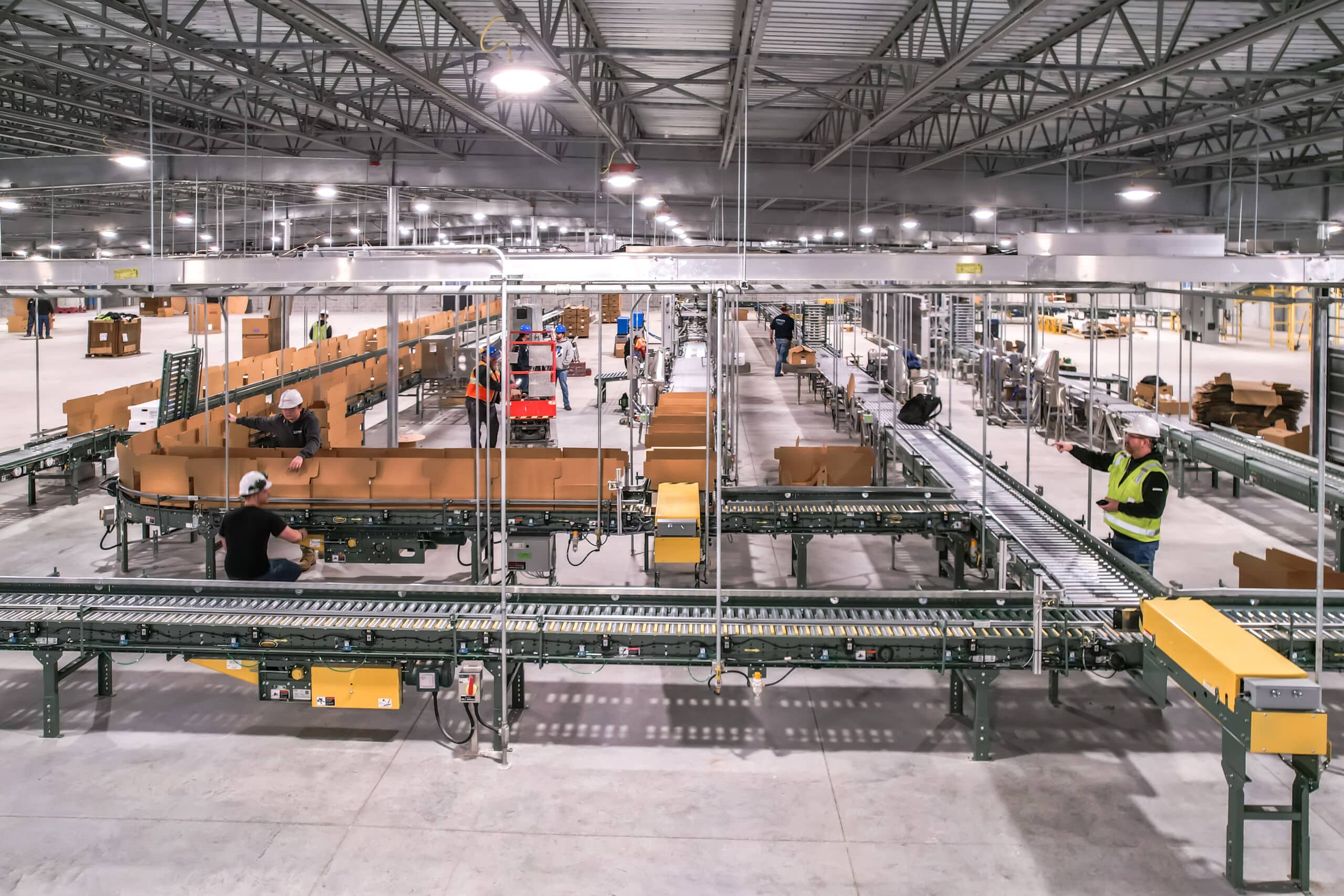
RMH Systems engineers designing advanced beef processing automation solutions

Core Beef Processing Automation Solutions

RMH Systems engineers custom-tailored automation suites designed specifically for the extreme conditions of meat slaughterhouse operations, carcass aging rooms, cut and deboning floors, and automated cold-storage distribution hubs.

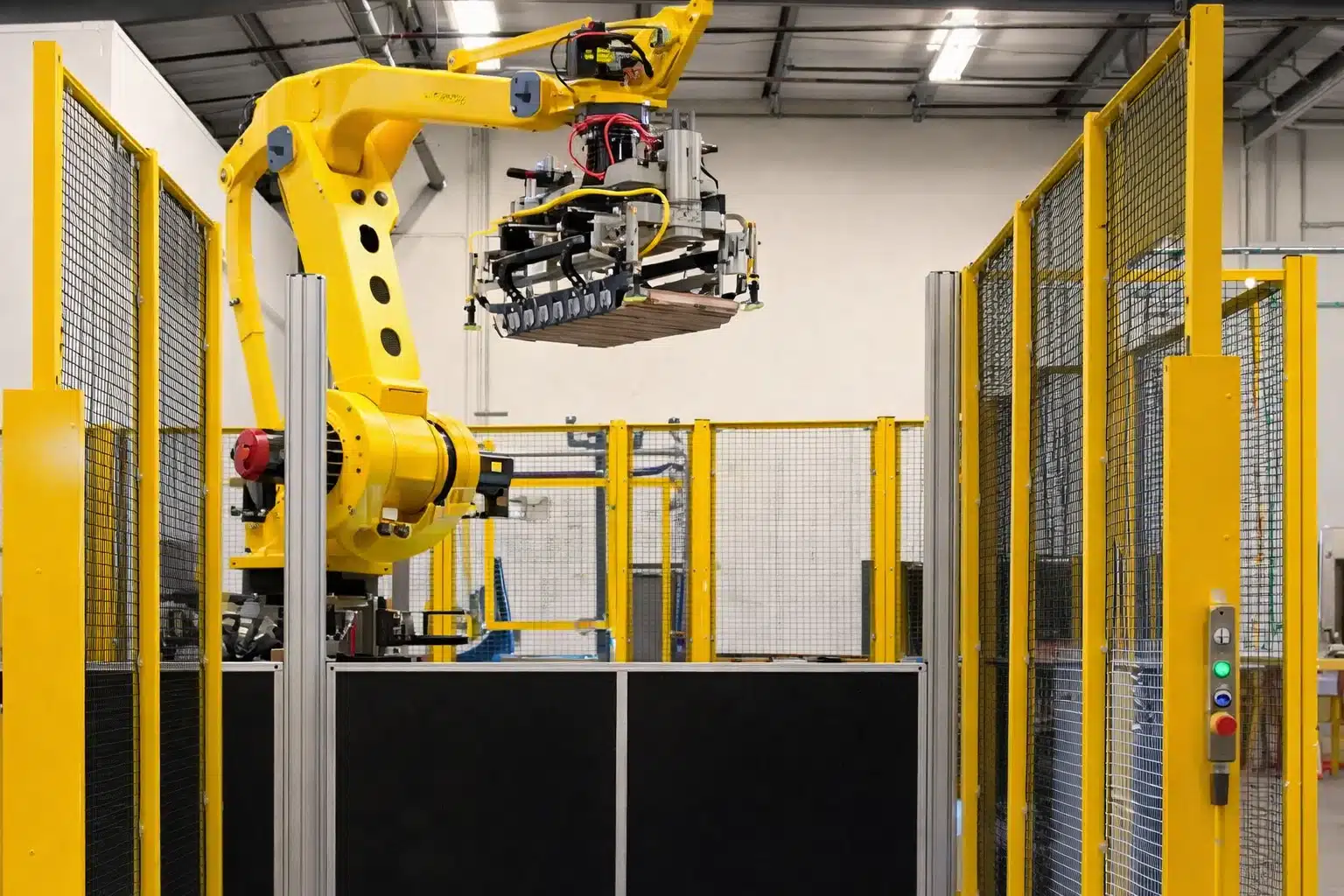
Robotic Primal Cutting and Deboning System for Beef Fabrication

1. Robotic Primal & Sub-Primal Cutting Systems

Integrated 6-axis IP69K washdown robotic arms equipped with 3D vision cameras scan each hanging beef carcass or quarter. Lasers calculate anatomical bone-to-fat boundaries, executing automated chuck, rib, loin, and round primal splitting with sub-millimeter trajectory accuracy.

Protection Rating:IP69K Waterproof Washdown
Line Speed:Up to 450 Carcasses / Hr
Blade Actuation:High-Torque Servo Cutters
Send an Inquiry
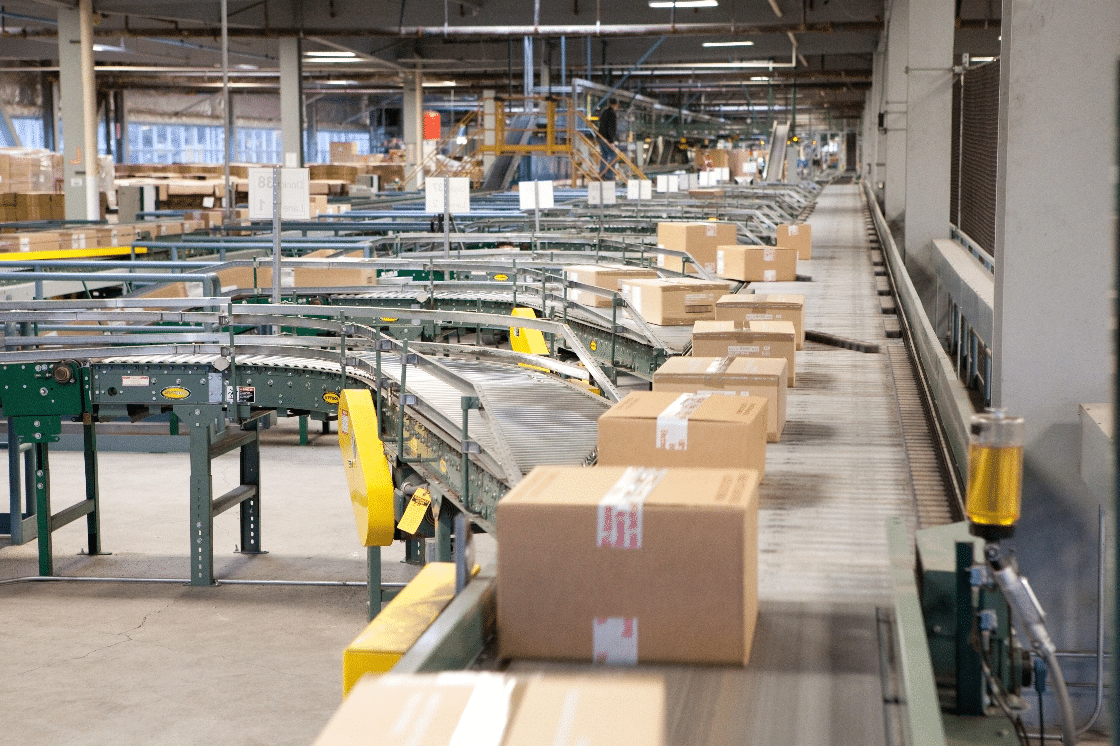
USDA Hygienic Conveyors and Automated Carcass Sorting Lines

2. Automated Carcass Conveying & Dynamic Sorting

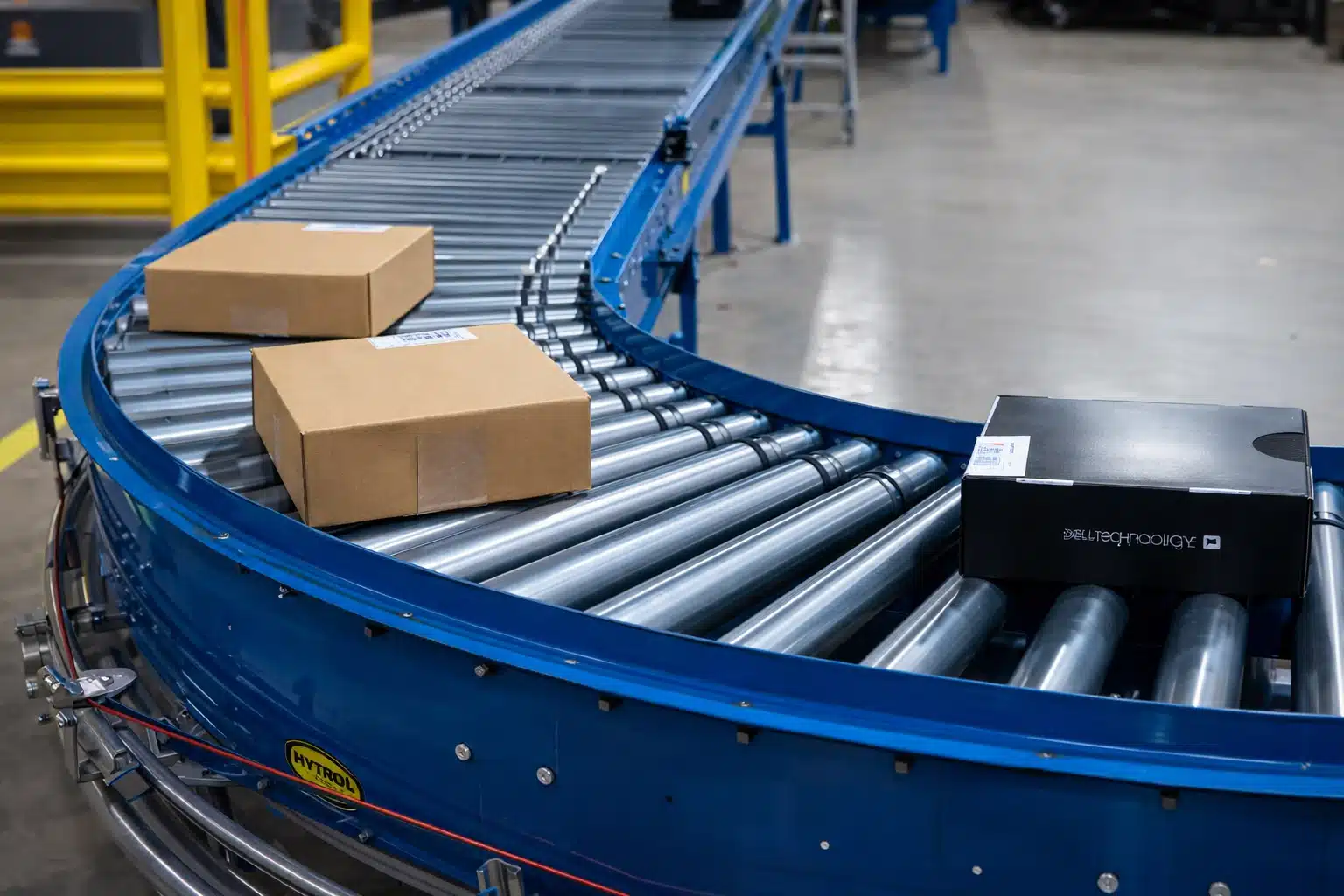
Continuous-motion overhead monorail power-and-free conveyors combined with sanitary modular belt floor conveyors. Carcasses are dynamically sorted by weight, grade, and marbling scores stored directly in the plant's Manufacturing Execution System (MES).

Frame Material:Passivated 304/316L Stainless
Belt Type:Open-Hinge Sanitary Modular
Sanitation standard:USDA 3-A & EHEDG Compliant
Send an Inquiry
High-Speed Packaging, Portioning, and Dynamic Weighing Lines

3. Automatic Portioning, Checkweighing & Packaging

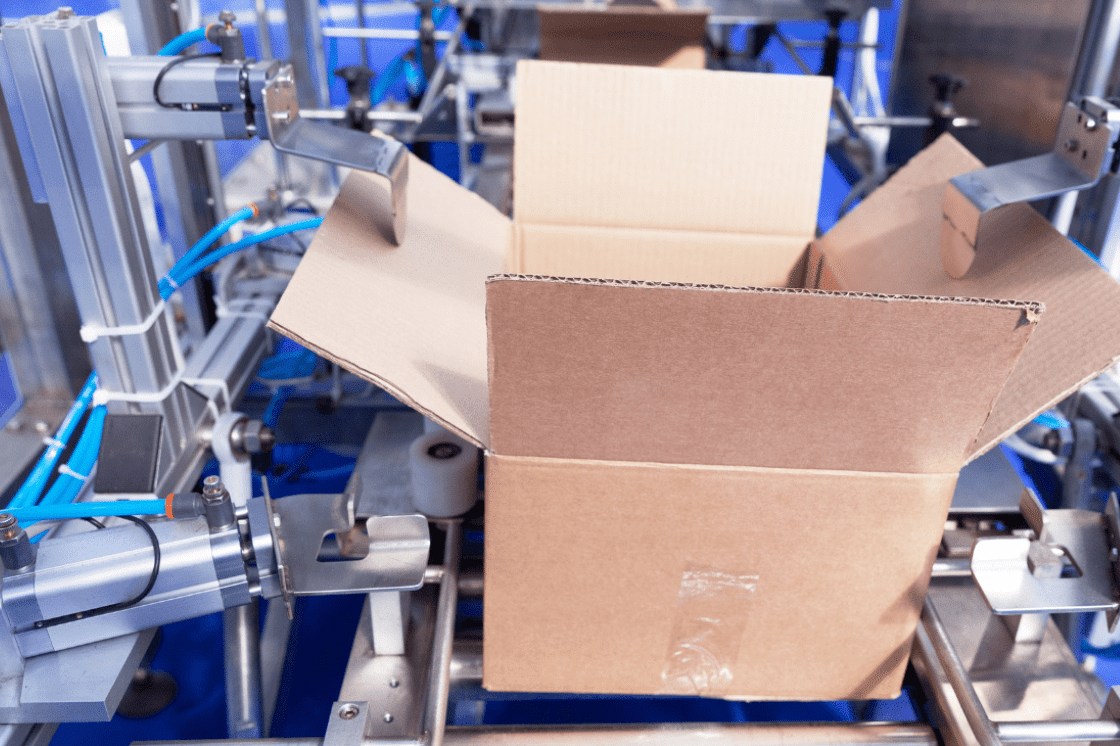
End-of-line beef packaging integration featuring automated vacuum shrink-wrapping, thermoforming tray sealing, dynamic inline checkweighing scales, and real-time print-and-apply barcode labeling for full FSMA Section 204 traceability compliance.

Scale Accuracy:± 0.5g High-Speed Load Cells
Packaging Speed:120 Packs / Minute
Data Protocol:Profinet / OPC-UA Real-Time
Send an Inquiry
Sub-Zero Cold Storage AS/RS and Robotic Palletizing Systems

4. Cold-Storage AS/RS & Robotic Box Palletizing

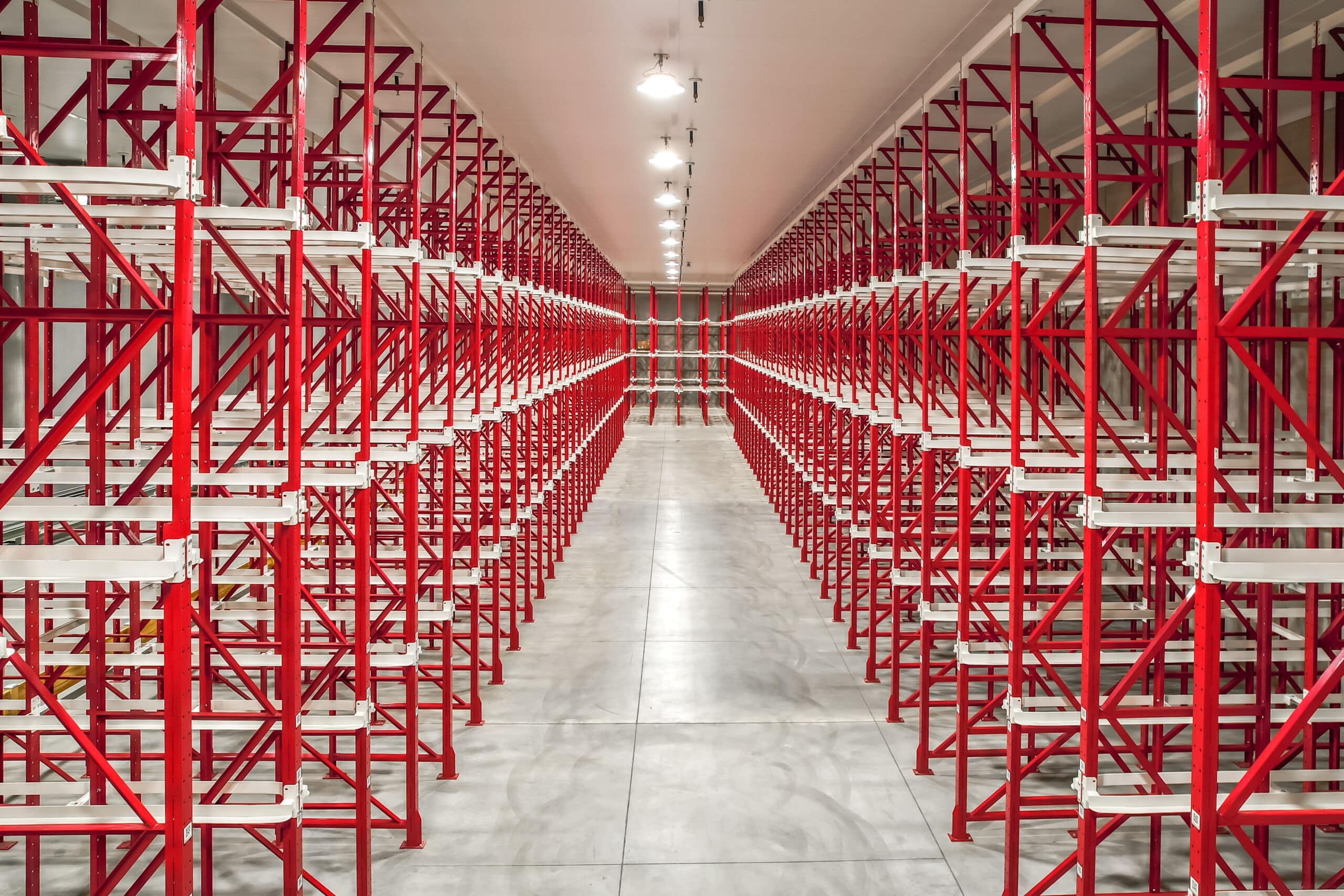
Heavy-duty, sub-zero (-20°F / -29°C) rated automated storage and retrieval systems (AS/RS) linked with high-density warehouse racking and heavy-payload robotic cell palletizers that automate case handling from blast freezers straight to shipping bays.

Operating Temp:-20°F to 40°F (-29°C to 4°C)
Payload Capacity:Up to 1,500 kg per Lift
Warehouse Density:+65% Cubic Foot Efficiency
Send an Inquiry

Future Procurement Trends in Global Beef Processing (2026–2035)

Global procurement directors and vice presidents of plant operations are re-evaluating capital equipment spending. As supply chain volatility persists and ESG criteria tighten, procurement strategies in beef processing automation are shifting towards five critical technological vector shifts:

Industry & Technology Development Trends in Meat Processing

The progression of beef processing technology is moving away from labor-intensive manual fabrication toward fully autonomous, continuous-flow processing plants. Historically, the primary bottleneck in beef automation was the natural biological variance of cattle—no two beef carcasses share identical skeletal geometry or muscle density, unlike poultry or swine.

Recent breakthroughs in 3D LiDAR point-cloud mapping and high-torque servo-driven robotic end-effectors have overcome this barrier. Modern robotic cut saws now calculate real-time resistance feedback, adjusting blade pressure instantly to slice cleanly along bone contours without creating bone dust or splintering high-value primal cuts like ribeyes and tenderloins.

Furthermore, automated material handling equipment—such as live roller conveyors, magnetic continuous elevators, and autonomous mobile robots (AMRs)—is replacing manual forklift movement inside sub-zero aging vaults and chill rooms. This eliminates human exposure to hazardous cold environments while boosting inventory accuracy to near 100%.

Integrated Industrial Equipment Technologies

As a single-source system integrator, RMH Systems embeds top-tier industrial machinery into cohesive beef automation lines:

Why Global Meat Packers Trust RMH Systems

Founded in 1898, RMH Systems brings over 80 years of specialized material handling and industrial automation engineering experience. Unlike individual equipment sellers, we take total turnkey accountability—handling plant layout consulting, custom mechanical engineering, control panel fabrication, robotics programming, millwright installation, and 24/7 lifecycle service.

We have delivered successful automation installations for industry giants including Caviness Beef Packers, Tyson Foods, Cargill, and Hormel Foods.

1898
Founding Year History
80+
Years Industrial Mastery
100%
Turnkey In-House Integration
IP69K
Washdown Standard Rigor

What Leading Processors Say

"RMH is always up-to-date on innovative technology related to product handling and packaging. They've always provided excellent service and thoughtful advice across our beef processing facilities."
Trevor Caviness Caviness Beef Packers, Ltd.

Global Beef Processing Automation FAQ

Below are detailed, technical answers to the most common search queries and procurement questions asked by plant managers, project engineers, and executive sourcing teams:

How does robotic beef automation handle natural variations in cattle size and weight?
Our automated systems utilize advanced 3D vision cameras, laser surface profilers, and deep-learning spatial algorithms. Before any blade touches the carcass, the vision system constructs a 3D digital model in under 150 milliseconds. The system maps key anatomical landmarks (such as the spine, chine bone, and rib cage) and dynamically modifies the robotic cut path to fit the precise physical contours of that specific carcass, ensuring maximum meat yield recovery regardless of animal size variations.
What washdown ratings and hygienic construction standards are used for harvest floor automation?
Equipment deployed in slaughter and deboning halls must withstand daily high-pressure (up to 1,500 PSI), high-temperature (180°F / 82°C) sanitation using caustic chemical agents. RMH Systems specifies IP69K-rated robotic arms equipped with protective hygienic sleeves, 304 or 316L passivated stainless steel frames, continuous ground welds (eliminating cracks and crevices), self-draining angled surfaces, and food-grade H1 lubricants certified to USDA 3-A and EHEDG sanitary standards.
What is the typical return on investment (ROI) timeframe for a automated beef processing retrofit?
Most commercial beef processing facilities experience full ROI payback within 14 to 24 months. Payback is calculated across four key economic metrics: 1) Yield Improvement: A 0.5%–1.8% gain in prime primal cut recovery; 2) Labor Reallocation: Shifting workers away from dangerous repetitive cutting tasks to higher-value inspection roles; 3) Ergonomic Risk Reduction: Significant drops in worker compensation claims associated with Musculoskeletal Disorders (MSDs); and 4) Product Safety: Lower risk of bacterial cross-contamination due to reduced manual touching.
Can automated conveying systems operate reliably inside sub-zero blast freezers (-20°F)?
Yes. RMH Systems engineers cold-chain automated material handling systems explicitly rated for sub-zero freezer environments (-20°F to -30°F / -29°C to -34°C). We utilize low-temperature synthetic lubricants, specialized stainless alloy chains, heated control enclosures, and cold-conditioned servo drives designed to operate continuously without ice buildup, thermal contraction binding, or sensor failure.
How does RMH Systems handle system integration with existing plant MES/ERP software?
Our automation controls engineers build open-architecture software interfaces using industrial protocols like OPC-UA, Profinet, Ethernet/IP, and Modbus TCP. This enables seamless bi-directional data exchange between our conveyor sensors, scales, and robotic controllers with major ERP/MES platforms (such as SAP, Ignition, or custom plant management software) for real-time yield reporting, inventory management, and FSMA Section 204 compliance tracking.
How do you minimize plant downtime during system installation and commissioning?
We employ a rigorous phased installation strategy. First, we create complete 3D digital twins of your plant layout and pre-commission equipment software offsite at our integration facility. Physical installation is scheduled during planned weekend turnarounds or seasonal maintenance shutdowns, with our dedicated millwrights, electricians, and control programmers working 24/7 to guarantee rapid ramp-up without missing harvest production quotas.

Ready to Automate Your Beef Processing Facility?

Consult with our senior automation engineers to review your plant layout, evaluate yield expansion metrics, and receive a customized turnkey automation project proposal.

Send an Inquiry