Industrial Liquid Filling Machines & Turnkey Line Automation

Architecting high-precision volumetric, net weight, and peristaltic liquid dosing systems tailored for food, beverage, chemical, pharmaceutical, and high-viscosity applications.

Inquire Now Technical Guide

Selecting the Right Liquid Filling Machine Technology

Choosing an industrial liquid filling machine requires aligning fluid dynamics, container specifications, and volumetric precision targets. Our system integration engineers evaluate key chemical and physical properties—such as viscosity (cP), shear sensitivity, aeration risk, and corrosive reactivity—to determine the optimal dosing architecture.

Global procurement teams and packaging operations executives face a complex array of liquid filling methods. Semantic search intent analysis reveals that buyers prioritize dosing repeatability (±0.1% to ±0.5%), Clean-in-Place (CIP) / Sterilize-in-Place (SIP) efficiency, and seamless integration with downstream accumulation conveyors, checkweighers, and robotic palletizers. Below is a comparative engineering baseline detailing the core liquid filling machine mechanisms utilized across modern automated processing plants.

Filling Mechanism Viscosity Range (cP) Dosing Precision Primary Advantages Best Suited Applications
Servo Piston Fillers 10 to 100,000+ cP ± 0.25% High volumetric accuracy for thick pastes, sauces, and non-homogeneous fluids with suspended solids. Food processing, peanut butter, cosmetics, heavy lubricants, gels.
Net Weight / Mass Flow Meter 1 to 50,000 cP ± 0.10% Direct mass measurement immune to temperature variation and fluid aeration; absolute zero give-away. High-value chemicals, agricultural actives, edible oils, pharmaceuticals.
Peristaltic Dosing Systems 1 to 2,000 cP ± 0.50% Zero product contact with pump mechanical parts; fluid passes through disposable fluid paths. Biotech, sterile pharmaceuticals, reagents, essential oils.
Overflow / Gravity Fillers 1 to 500 cP Visual Level ± 1mm Fills containers to a consistent visual fill-line regardless of glass or plastic bottle internal volume variances. Clear glass beverages, spirits, cleaning solvents, household liquids.
Flow Meter (Mag / Coriolis) 1 to 10,000 cP ± 0.20% No moving parts in fluid path; ultra-fast changeover with automated washdown software programs. Dairy, juice processing, paints, household detergents.

Information Gain: Engineering Formula for Fill Line Throughput

When designing a high-speed liquid packaging line, overall equipment efficiency (OEE) depends on nozzle count, stroke velocity, and container settling dynamics. Calculating target Bottles Per Minute (BPM):
BPM = (Nozzle Count × 60) ÷ [ (Target Volume ÷ Dosing Rate) + Container Indexing Time + Nozzle Dwell Time ]

High-Performance Liquid Filling Machinery

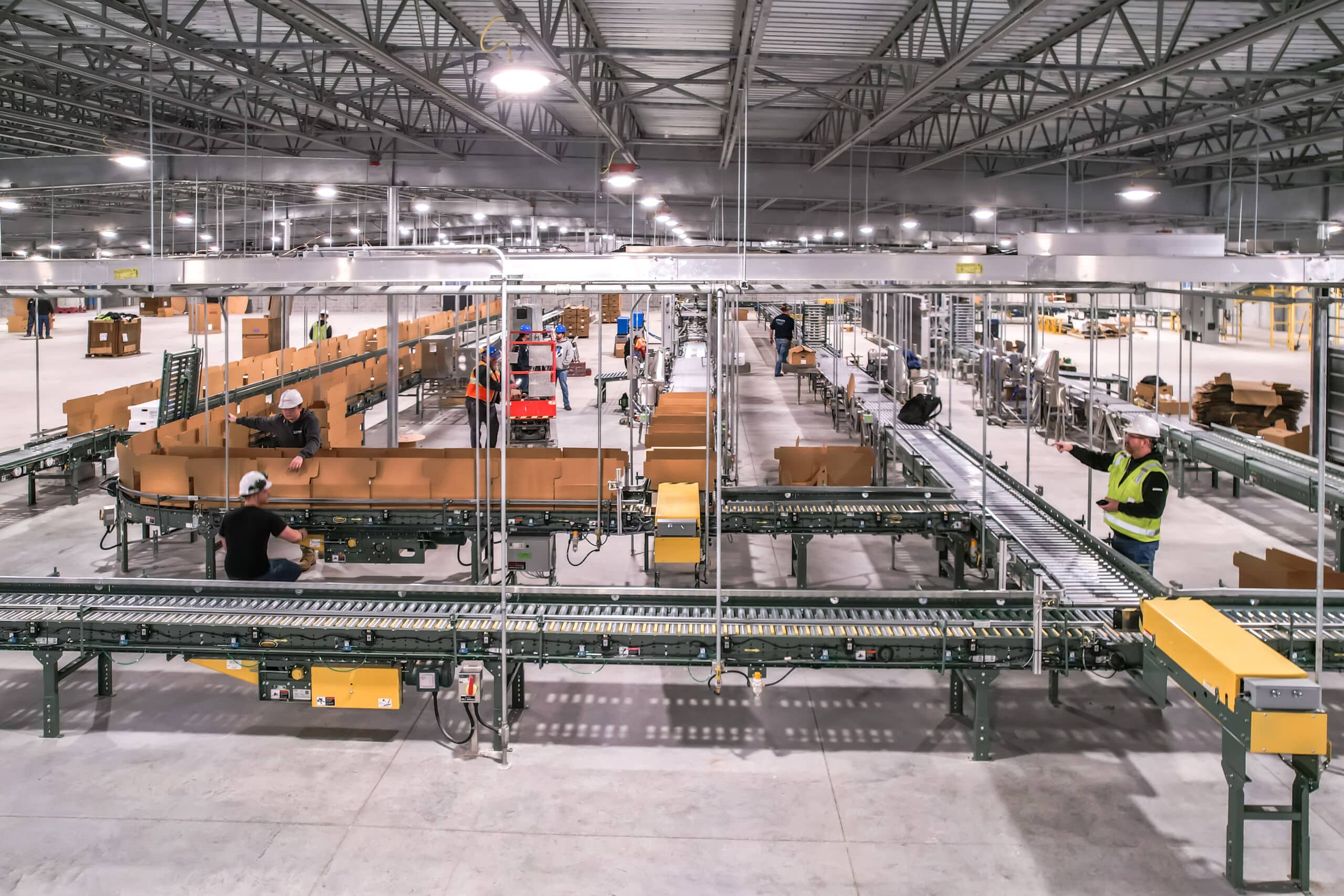
Engineered as modular standalone units or custom-integrated into end-to-end processing and packaging lines.

Automated Inline Servo Piston Liquid Filling Machine integrated by RMH Systems

Inline Servo Piston Liquid Fillers

Designed for demanding environments requiring extreme volumetric accuracy across low-to-high viscosity spectrums. Featuring multi-axis Allen-Bradley servo drives, diving bottom-up fill nozzles to prevent foaming, and toolless clean-in-place sanitary connections.

Dosing Precision: ± 0.2%
Speed Capability: Up to 240 BPM
Sanitary Grade: 316L Stainless Steel / CIP Ready
High Speed Rotary Monoblock Liquid Filling Dosing and Capping Machinery

Rotary Monoblock Filling & Capping Systems

Space-saving monoblock architecture combining container rinsing, precision net-weight or magnetic flow liquid filling, and torque-controlled servo capping into a single enclosed hygienic footprint. Ideal for high-speed pharmaceutical and food lines.

Footprint Efficiency: 60% Floor Space Saving
Fill Technology: Mass Flow Meter / Net Weight
Enclosure Class: HEPA Positive Pressure Laminar Flow
Corrosive Chemical Liquid Filling Equipment with Automated Conveyor Handling

Corrosive & HazLoc Hazardous Fillers

Engineered with acid-resistant non-metallic materials (PTFE, UHMW, PVC) or Class I, Division 1 / Division 2 explosion-proof electrical controls. Purpose-built for filling solvents, aggressive acids, industrial coatings, and agricultural chemicals.

Safety Rating: NFPA 496 Purged / ATEX Certified
Wetted Parts: Hastelloy, Kynar, PTFE, Titanium
Container Range: 100ml Bottles to 55-Gallon Drums
Bulk Container Drum and Tote Liquid Filling System with Integrated Conveyors

Bulk Drum & IBC Tote Heavy-Duty Fillers

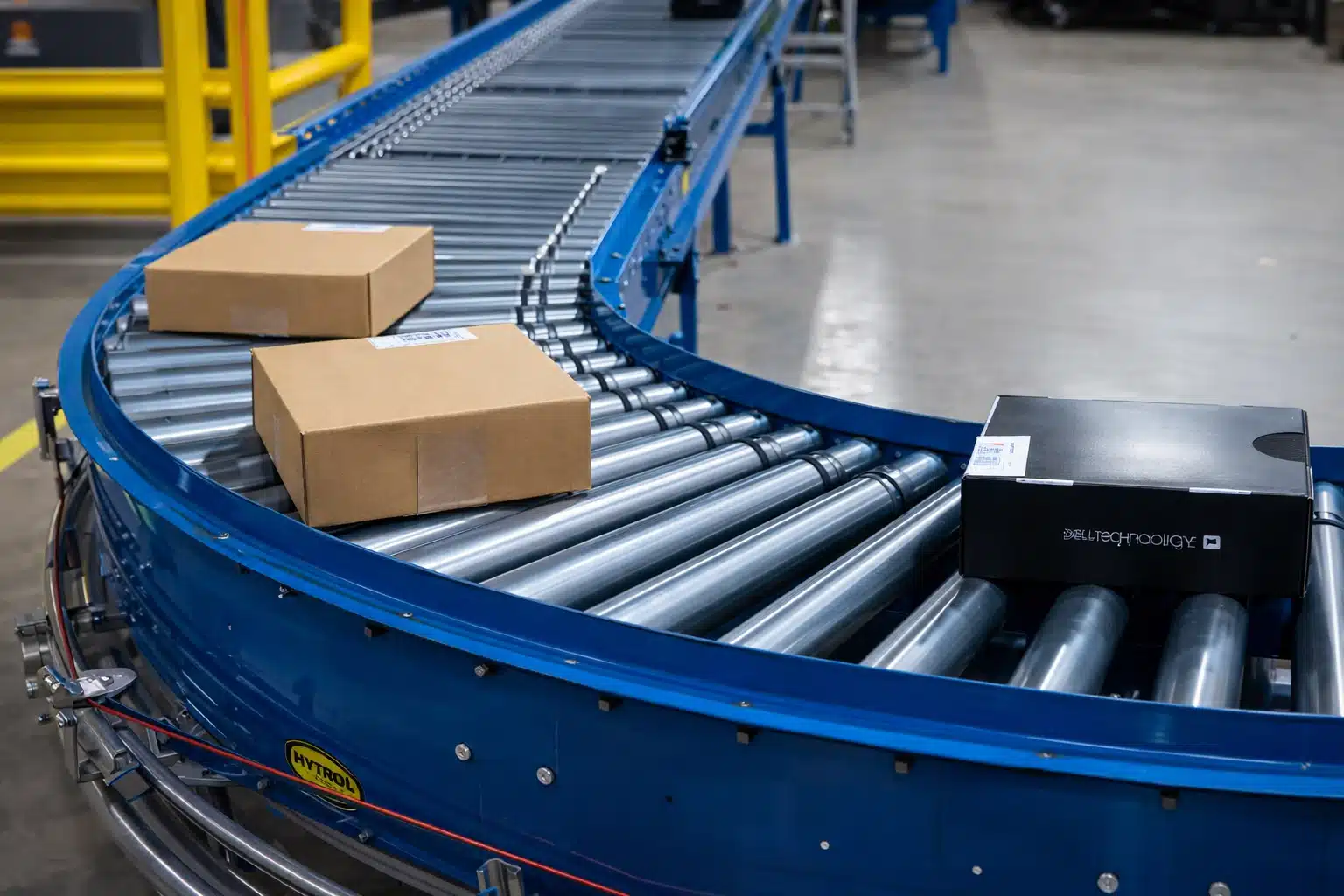
Automated net-weight filling platforms designed for 5-gallon pails, 55-gallon drums, and 330-gallon intermediate bulk containers (IBCs). Features pneumatic lance travel, sub-surface anti-foam filling, and integrated high-capacity live roller conveyors.

Scale Capacity: Up to 3,000 lbs (NIST Class III)
Lance Operation: Sub-surface Top-fill / Bottom-up
Automation Level: Fully Automatic Vision-Guided Bunging

How smart sensors, adaptive AI algorithms, and zero-waste sanitary designs are reshaping the liquid packaging machinery landscape.

01

Dynamic AI Viscosity Compensation

Modern production lines frequently experience batch-to-batch fluid viscosity variations caused by ambient temperature changes or ingredient shear sensitivity. Next-generation liquid fillers integrate real-time inline rheometers linked to PLC servo feedback loops. The system dynamically modifies piston stroke speeds and pressure profiles on the fly, maintaining strict fill weight limits without human intervention.

02

Zero-Waste Pigging & CIP Efficiency

Driven by ESG mandates and high raw material costs, liquid filling line procurement now demands sanitary pigging systems (liquid recovery projectiles). By reclaiming up to 99.5% of product remaining in transfer pipes prior to CIP cycles, manufacturers drastically minimize liquid effluent waste, shorten washdown times from hours to minutes, and achieve rapid multi-SKU product changeovers.

03

IIoT Telemetry & OEE Optimization

Smart liquid filling machines are no longer isolated islands of automation. Industry 4.0 integration allows real-time streaming of line efficiency metrics, nozzle-by-nozzle accuracy logs, and predictive maintenance alerts via OPC-UA and MQTT protocols directly to enterprise MES/ERP platforms—preventing unscheduled downtime and optimizing fill-line throughput.

Inquire Now

Why Leading Global Manufacturers Partner with RMH Systems

Standalone liquid filling machines are only as effective as the material handling and control infrastructure surrounding them. RMH Systems brings over eight decades of end-to-end integration expertise.

Single-Source Turnkey Responsibility

We eliminate the friction of dealing with separate machine builders, conveyor vendors, control programmers, and field installation crews. RMH Systems provides complete end-to-end engineering, mechanical design, electrical control panel assembly, robotics programming, and full line commissioning under one roof.

80+ Years of Industrial History (Est. 1898)

With a rich history spanning over a century, our field engineers bring deep domain knowledge in handling complex material flows, sanitary compliance standards, heavy liquid drum handling, scale calibration, and high-speed bottling lines.

Nationwide Service & Lifecyle Support

Our support doesn't end after line start-up. We provide emergency field repair, preventive maintenance contracts, scale calibrations, and robotic re-tooling to keep your liquid filling assets operating at peak performance for decades.

RMH Systems Industrial Automation Case Study and Client Partnership

"RMH is always up-to-date on innovative technology related to product handling and packaging. They've always provided excellent service and thoughtful advice."

Trevor Caviness — Caviness Beef Packers, Ltd.

Trusted By Global Industry Leaders

Hormel Foods Tyson Foods Cargill 3M Toro

Liquid Filling Machinery Procurement FAQ

Expert answers to common engineering, operational, and maintenance questions asked by global liquid packaging equipment buyers.

How do I determine whether my application requires a net weight or volumetric piston liquid filling machine?

The choice primarily depends on product monetary value, fluid viscosity variations, and temperature fluctuations. Volumetric Piston Fillers excel at handling highly viscous fluids (sauces, creams, heavy oils) and suspensions with particulates because the physical piston displacement guarantees a fixed volume per stroke. However, Net Weight Fillers (utilizing high-precision load cells beneath each fill station) are preferred for high-value chemicals, pharmaceutical liquids, and fluids subject to expansion or temperature-induced density changes. Net weight filling measures target mass directly into the container, completely eliminating product give-away without contacting the liquid.

What anti-foaming mechanisms are available for high-speed liquid filling lines?

Liquid foaming during rapid fill cycles creates air pockets, volume inaccuracies, and container spillage. To counteract this, RMH Systems integrates three primary engineering controls: Bottom-Up Diving Nozzles (where servo-driven lances descend to the bottom of the container and rise slowly while matching fluid surface velocity), Sub-surface Fill Lances (keeping the nozzle tip submerged beneath the liquid level throughout the cycle), and Vacuum-Assisted Overflow Cut-off Nozzles which draw excess foam back into a recirculating surge tank.

How does liquid filling equipment comply with sanitary FDA, 3-A, and GMP standards?

Sanitary liquid fillers designed for food, beverage, and biotech applications utilize 316L stainless steel for all product-wetted parts, featuring internal surface finishes polished to Ra ≤ 0.4 μm (16 micro-inch) to prevent bacterial harborage. Tri-clamp sanitary fittings are standard throughout fluid paths, enabling toolless disassembly. Furthermore, fully automated Clean-in-Place (CIP) and Sterilize-in-Place (SIP) spray ball assemblies allow complete chemical washdown and steam sterilization up to 135°C without dismantling machine components.

What safety standard applies when filling flammable solvents or hazardous chemical liquids?

Filling volatile solvents, alcohols, or petroleum-based chemicals requires specialized explosion-proof engineering compliance. Lines handling Class I, Division 1 or Division 2 (Zone 1 / Zone 2 ATEX) hazardous fluids feature intrinsically safe electrical sensor circuits, non-sparking bronze or stainless conveyor components, sealed explosion-proof motor enclosures, and NFPA 496 positive-pressure air-purged control cabinets. Grounding clamps and static dissipation paths are integrated to prevent electrostatic ignition risks during high-velocity liquid movement.

Can a single liquid filling machine accommodate multiple bottle sizes and fluid viscosities?

Yes. Modern servo-controlled liquid filling machinery features recipe-driven HMI touchscreens. When switching SKUs, operators select pre-configured recipes that automatically adjust fill volume, diving nozzle stroke profiles, indexing starwheel speeds, and conveyor rail positions. Toolless quick-change Starwheels and container guides allow complete mechanical line changeover in under 15 minutes, drastically reducing downtime in multi-product packaging plants.

How does RMH Systems integrate liquid fillers with downstream packaging machinery?

As a comprehensive systems integrator, RMH Systems designs custom accumulation conveyor networks, zero-pressure line indexing modules, and synchronized PLC control architectures. We seamlessly connect your liquid filler to automatic cap feeds, induction foil sealers, high-speed rotary labeling machinery, checkweighers, case packers, and end-of-line robotic palletizing cells—delivering a fully automated, synchronized production line.

Ready to Optimize Your Liquid Filling Operation?

Consult with an RMH Systems application engineer to evaluate your fluid specs, line throughput goals, and custom system layout requirements.

Inquire Now