
Engineered Precision in Secondary & Tertiary Packaging Automation
In modern manufacturing and high-throughput distribution facilities, Print and Apply Labeling Systems serve as the critical digital-to-physical link within secondary and tertiary packaging lines. Unlike offline pre-printed labeling or hand-applied tags, an automated Print and Apply (P&A) system generates dynamic, real-time variable data—such as GS1-128 barcodes, SSCC (Serial Shipping Container Codes), lot tracking, batch numbers, net weights, and real-time order destination details—and immediately applies the label to cartons, corrugated cases, shrink-wrapped trays, or wooden pallets in motion.
As global logistics networks demand absolute inventory traceability and strict compliance with major retailer mandates (such as Walmart, Amazon, and Target), manual labeling errors can result in catastrophic chargebacks, rejected shipments, and severe line bottlenecks. By integrating industrial-grade thermal transfer or direct thermal print engines (OEM modules from Zebra, SATO, or Honeywell) with precision pneumatic or electric stroke applicators, a custom-engineered print and apply solution guarantees 99.9%+ barcode readability and zero-latency line synchronization.
Information Gain: Why Off-the-Shelf Labelers Fail High-Speed Conveyor Lines
Generic, standalone labeling machines frequently struggle with fluctuating conveyor speeds, varying package heights, and static build-up. RMH Systems solves this by designing integrated sensor networks, dynamic encoder feedback tracking, and rigid mounting frameworks that eliminate mechanical vibration—ensuring sub-millimeter label placement accuracy even at line speeds exceeding 150 feet per minute (FPM).
Comparative Technical Analysis of Label Application Technologies
Selecting the correct mechanical application method is vital for matching package geometry, substrate material, line velocity, and environmental factors (such as cold-storage condensation or dusty mill air). Industrial packaging lines typically rely on four main application methods:
| Applicator Method | Operating Principle | Ideal Application | Max Line Speed | Positional Accuracy |
|---|---|---|---|---|
| Tamp-Blow | Label is printed onto a vacuum pad, extended via pneumatic cylinder, and blown across a micro-air gap without contacting fragile products. | Top/side of delicate boxes, irregular surfaces, variable height packaging. | Up to 120 PPM (Packs/Min) | ±1.0 mm |
| Wipe-On (Direct Contact) | Label feeds directly onto the product as it moves past the dispense edge, matching product speed via encoder feedback. | High-speed uniform cartons, flat side panel labeling, continuous tray lines. | Up to 300 PPM | ±0.5 mm |
| Corner-Wrap | Applies a single continuous label across adjacent panels (front-and-side or side-and-rear) using an articulated wipe arm. | GS1 compliance packaging, cross-dock logistics, dual-panel scanning requirements. | Up to 60 PPM | ±1.5 mm |
| Robotic Dual-Tamp (Pallet) | Heavy-duty 2-axis or 3-axis pneumatic positioning system applies two or three adjacent GS1 labels to stretch-wrapped pallet loads. | Full pallet loads, high-bay automated warehouse integration (AS/RS). | Up to 120 Pallets/Hr | ±2.0 mm |
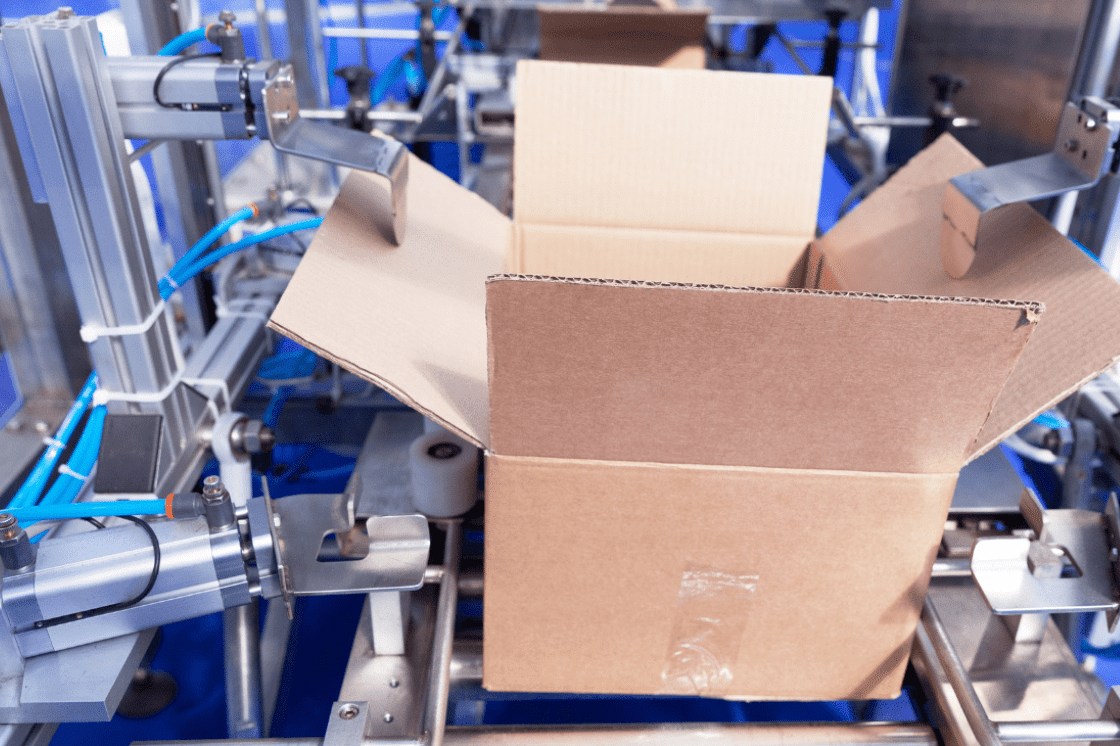
Enterprise-Grade Print and Apply Solutions Recommended by RMH Systems
As an independent master systems integrator with over 80 years of industrial expertise, RMH Systems selects and customizes best-in-class labeling machinery engineered for 24/7 continuous operation. Below are our top recommended machine configurations based on operational requirements:
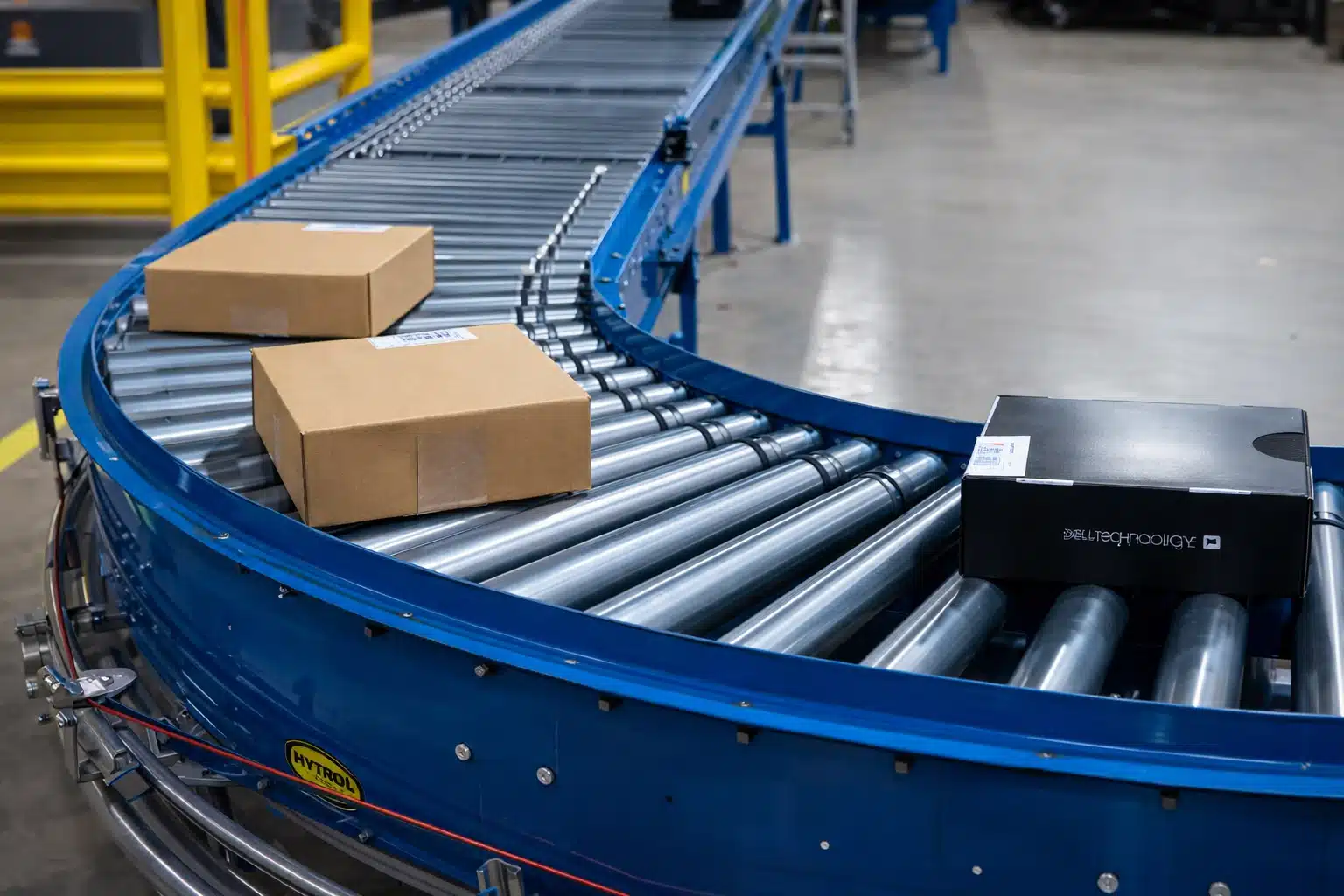
RMH-PA1000 High-Speed Conveyor Line Labeler
Designed for fast-paced distribution centers and eCommerce fulfillment hubs. Interfaces seamlessly with powered roller conveyors, zero-pressure accumulation systems, and automated sorting loops.
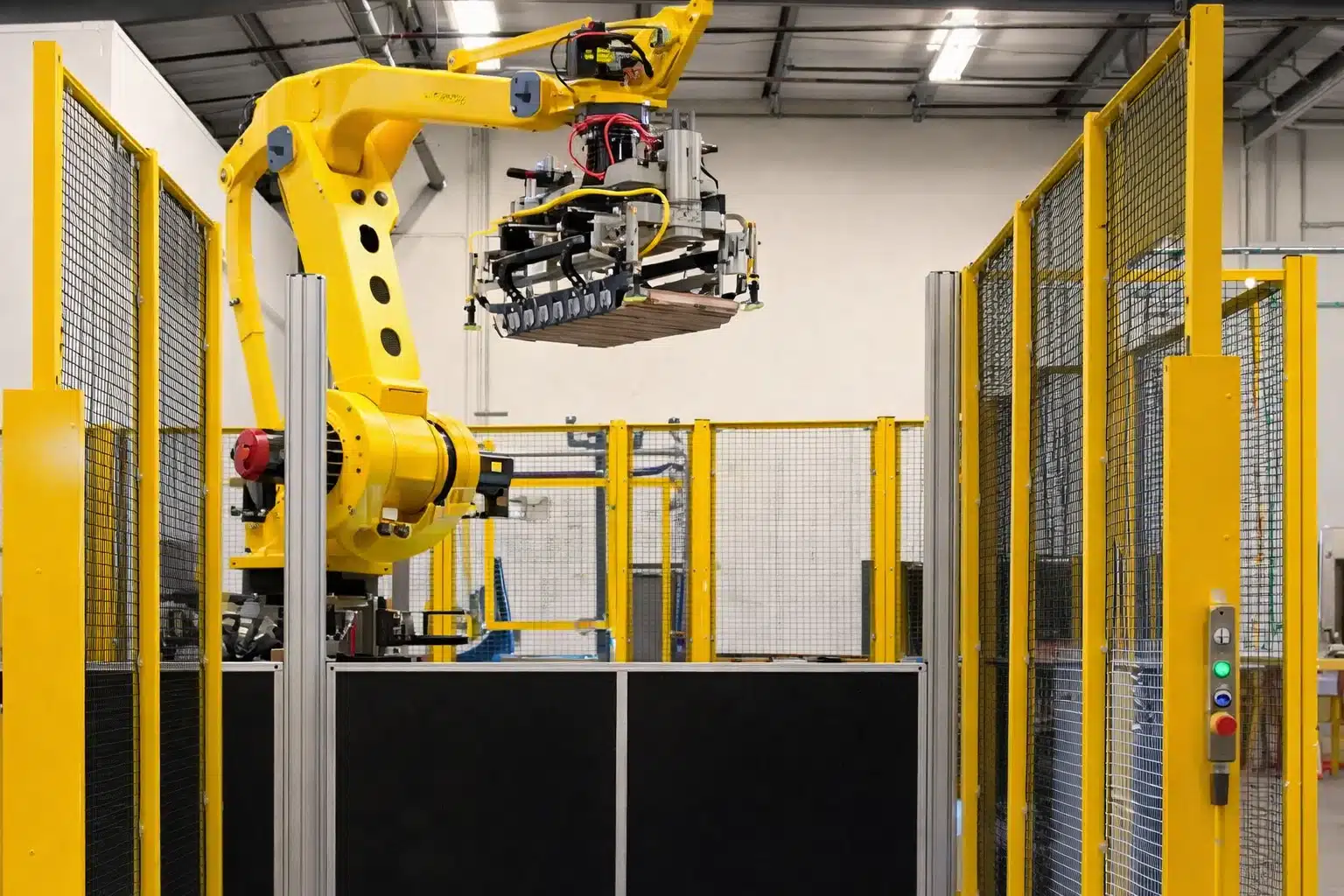
RMH-PA5000 Heavy-Duty Pallet Labeling System
Fully enclosed, climate-controlled labeling cabin engineered to apply A5 or 4x6 inch GS1-128 shipping labels to stretch-wrapped pallets at multiple heights in cold storage or harsh manufacturing settings.
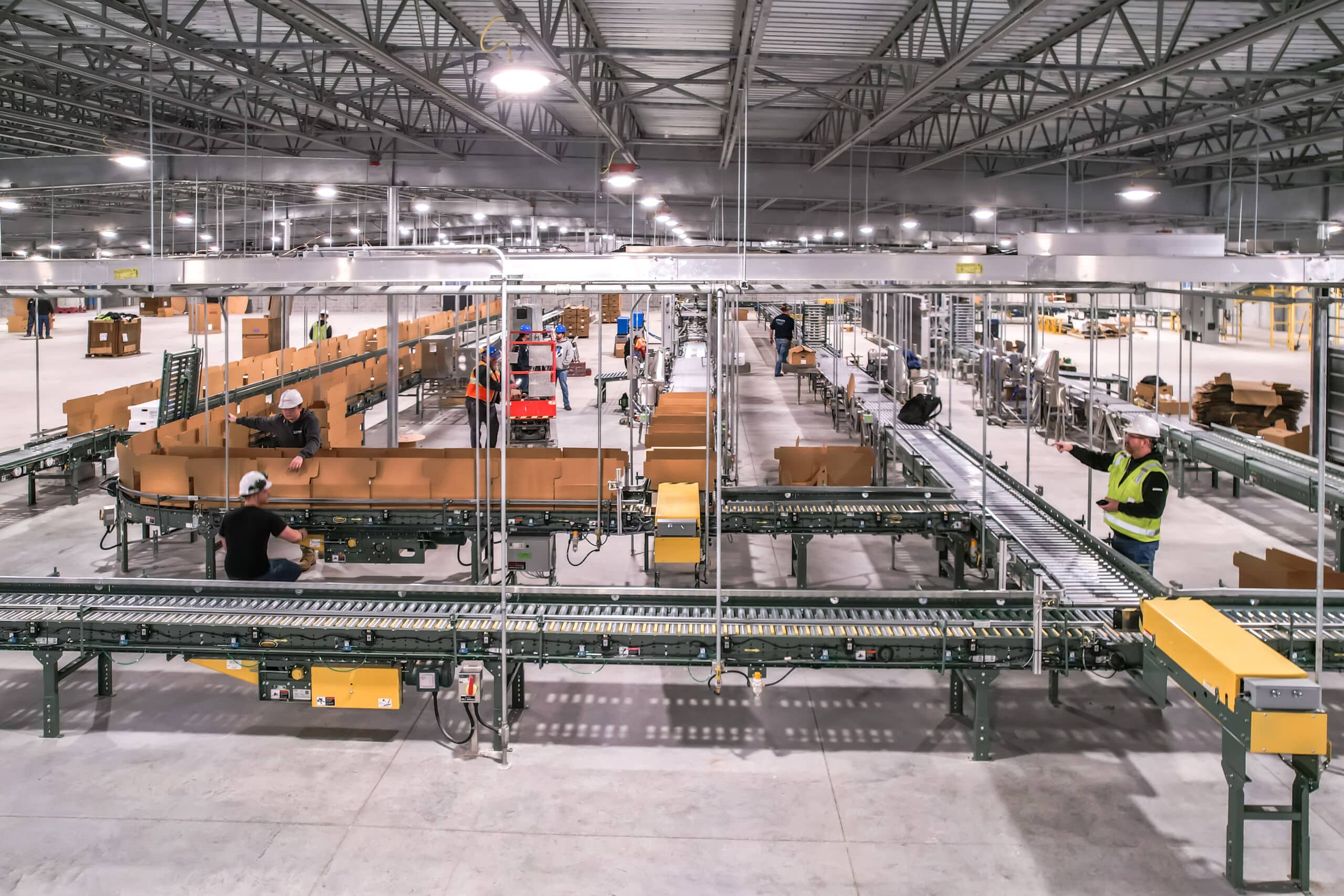
RMH Dual-Tandem Continuous Operation System
Features redundant twin labeling heads configured on a shared conveyor bridge. When Primary Unit runs low on ribbon or label roll stock, system automatically transfers labeling tasks to Secondary Unit for zero-downtime roll replacement.
RMH Weigh-Print-Apply Packaging Cell
Combines precision in-motion checkweighers with real-time print and apply modules. Dynamically captures catch-weight values, recalculates price/weight barcodes, and applies compliant labels in under 400 milliseconds.
Emerging Procurement & Technological Trends in Label Automation
The global automated labeling equipment market is experiencing a profound paradigm shift driven by Industry 4.0 digitisation, corporate sustainability initiatives, and supply chain labor constraints. Global buyers evaluating print and apply labeling equipment must consider these key mega-trends:
1. Linerless Labeling Infrastructure
Traditional pressure-sensitive labels rely on silicone-coated backing liners, which generate tons of non-recyclable waste and increase roll change frequency. Next-generation print-and-apply systems utilize linerless thermal media with micro-perforated or special release coatings. This delivers up to 40% more labels per roll, significantly cuts shipping mass, and completely eliminates backing liner scrap on the factory floor.
2. AI-Driven Inline Barcode Grade Verification (ISO 15416 / 15415)
Simply printing a barcode is no longer sufficient; global supply chains demand continuous verification. Modern P&A units incorporate inline vision sensors directly downstream of the applicator pad. The vision system scans every single 1D linear barcode or 2D DataMatrix code in real time, scoring print quality against ANSI/ISO grading scales (Grade A through F). Unreadable or low-grade barcodes trigger an automated reject arm before the case enters the sorting system.
3. Electric Servo Applicators Replacing Pneumatics
While traditional applicators rely on plant compressed air, advanced systems are transitioning to all-electric servo actuators. Servo-driven tamps offer programmable stroke lengths, softer touch forces for fragile goods, reduced plant energy consumption (eliminating expensive compressed air leaks), and real-time diagnostic reporting on motor torque and mechanical wear.
4. Native MQTT & OPC UA Cloud Integration
Modern labeling machinery no longer operates as an isolated island on the plant floor. Current procurement specifications demand native OPC UA and MQTT protocols, allowing the print engine's temperature, printhead thermal health, ribbon usage, and sensor calibration status to stream directly to Enterprise Asset Management (EAM) platforms for predictive maintenance alerts.
Total Cost of Ownership (TCO) & Operational ROI Framework
When calculating the return on investment for an automated Print and Apply Labeling System, forward-thinking procurement teams look far beyond the initial capital purchase price. A comprehensive TCO model incorporates labor replacement, consumables efficiency, printhead longevity, line downtime reduction, and penalty avoidance:
ROI Calculation Breakdown for 24/7 Manufacturing Facilities
Replacing two manual labeling operators per shift across a 3-shift operation yields an immediate labor savings of approximately $210,000 annually. Furthermore, eliminating mislabeled case chargebacks from major retail distributors often saves an additional $35,000 to $80,000 per year in non-compliance fines. Average payback periods for an RMH-integrated print-and-apply cell range from 7 to 11 months.
Key Engineering Checklist for Equipment Buyers:
- Printhead Life Optimization: Ensure print engines feature automatic printhead pressure adjustment and ribbon-saver modules to extend thermal printhead lifespan beyond 2 million linear inches.
- Media Loading Ergonomics: Evaluate roll change accessibility. Side-loading ribbon mechanisms and swing-out applicator frames reduce roll swap time from 10 minutes to under 90 seconds.
- Substrate Compatibility: Test adhesive formulations for extreme environments—ranging from sub-zero blast freezers (-40°F) to high-humidity agricultural packaging.
- Controls Architecture: Specify non-proprietary PLCs (e.g., Allen-Bradley Logix or Siemens S7) so plant technicians can maintain and troubleshoot equipment without expensive OEM service lock-ins.
Frequently Asked Questions by Global Procurement & Engineering Teams
Here are expert answers to the most common technical questions submitted by global buyers when sourcing print and apply labelers:
Why Enterprise Manufacturers Partner with RMH Systems
With an operational legacy dating back to 1898, RMH Systems is not simply an equipment distributor; we are a full-service material handling and packaging systems integrator. Our engineering teams design, build, program, install, and service turn-key packaging solutions nationwide.
Years of Expertise
Decades of field-tested engineering solutions across manufacturing, food processing, logistics, and pharmaceutical industries.
Single-Source Team
In-house mechanical engineers, electrical controls programmers, installation crews, and dedicated field service technicians.
Nationwide Support
Rapid response spare parts inventory, preventative maintenance contracts, and emergency field service repair.
Ready to optimize your packaging line with custom Print and Apply Labeling Systems?
Send an Inquiry