
1. Architectural Blueprint: Overcoming the Warehouse Storage Density Paradox
In modern global distribution operations, real estate acquisition and construction costs represent two of the highest capital expenditures (CapEx). Facilities engineers, supply chain logistics directors, and warehouse operation executives face a perpetual architectural conflict known as the Storage Density vs. Selectivity Paradox. Maximizing vertical cube utilization often degrades SKU accessibility and cycle times, while 100% direct selectivity traditionally requires vast floor acreage allocated to fork truck aisles.
Industrial Warehouse Racking Systems are no longer passive steel shelving frameworks; they are structural material handling equipment requiring high-precision load calculations, concrete slab integrity checks, dynamic seismic bracing, and seamless interface integration with automated handling equipment. Modern heavy-duty industrial racking acts as the foundational skeleton for smart logistics centers, supporting static pallet loads, dynamic impact pressures, and complex automated guided vehicle (AGV) or autonomous mobile robot (AMR) navigation networks.
Designing an optimal racking architecture requires balancing five critical operational metrics:
- Cube Utilization Efficiency: The percentage of usable vertical and horizontal building volume occupied by actual product vs. empty air or aisle space.
- SKU Selectivity: The immediate accessibility of any individual pallet position without moving adjacent loads (First-In, First-Out [FIFO] vs. Last-In, First-Out [LIFO]).
- Throughput Velocity: The total number of pallet moves per hour achieved by forklift operators or Automated Storage and Retrieval Systems (AS/RS).
- Structural Load Integrity & Seismic Safety: Compliance with Rack Manufacturers Institute (RMI) ANSI MH16.1 specifications and local seismic zone coefficients ($S_s$ and $S_1$).
- Total Cost of Ownership (TCO): Balancing upfront steel procurement costs against long-term operational labor efficiency, damaged rack repair frequencies, and building lifecycle adaptability.
Engineering Insight: Standard roll-formed teardrop racking may suffice for low-throughput ambient storage, but heavy manufacturing, cold storage, and automated environments demand structural channel steel racking engineered with seismic base plates, heavy-duty column protectors, and structural beam connector locks.
2. Industrial Warehouse Racking Systems: Selection Framework & Product Recommendations
Selecting the ideal industrial pallet racking configuration requires a quantitative analysis of your SKU profile, pallet dimensions, weight distributions, inventory rotation models, and material handling vehicle fleet. Below is an engineering breakdown of the premier warehouse racking architectures specified by RMH Systems.
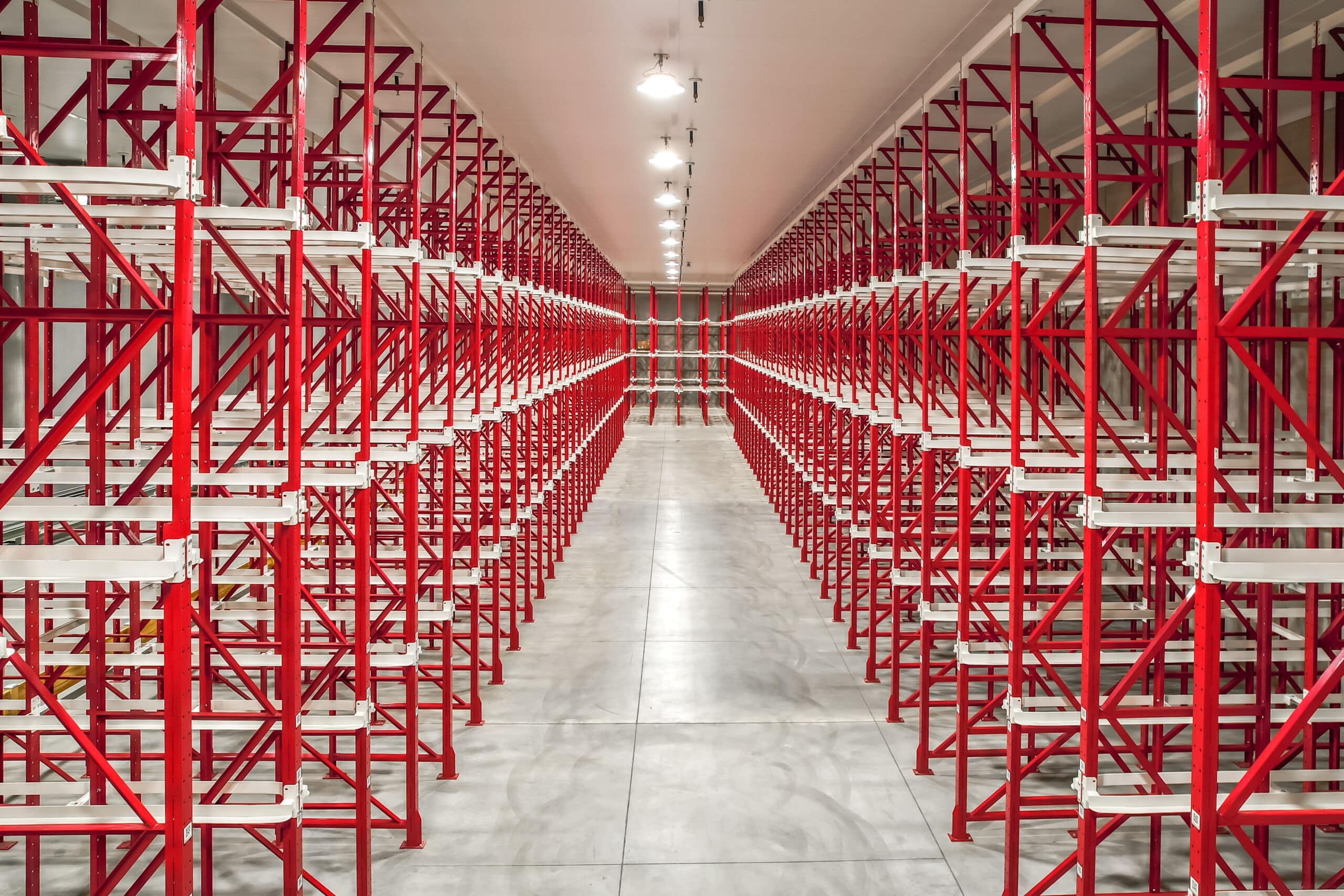
A. Selective Pallet Racking Systems (Standard & Deep-Reach)
Selective racking remains the most widely deployed structural storage solution in global supply chains due to its 100% direct SKU selectivity. Available in both roll-formed teardrop and heavy-duty structural steel channel designs, selective racking accommodates standard counterbalanced forklifts, reach trucks, and VNA (Very Narrow Aisle) turret trucks.
- Single-Deep Selective Racking: Offers 100% immediate access to every pallet position. Ideal for operations with high SKU diversity, rapid inventory turnover, and lower storage density requirements. Aisle widths range from 12 feet (standard reach) down to 5.5 feet (VNA articulated lift trucks).
- Double-Deep Selective Racking: Stores pallets two-deep, requiring specialized pantograph reach trucks. This design eliminates every second aisle, increasing overall storage density by 30% to 40% while retaining 50% immediate SKU selectivity.
B. High-Density Dynamic Racking Systems (Drive-In, Push-Back, & Pallet Flow)
When SKU counts are low but volume per SKU is exceptionally high, dynamic high-density racking systems eliminate non-productive forklift aisles, consolidating storage into unified structural blocks.
- Drive-In / Drive-Thru Racking: Forklifts drive directly into structural storage bays to deposit or retrieve pallets resting on continuous horizontal rails. Designed for high-density LIFO (Drive-In) or FIFO (Drive-Thru) inventory. Reduces aisle requirements by up to 65%, making it ideal for cold storage and freezer facilities where cubic foot cooling costs are extreme.
- Push-Back Racking Systems: Utilizing nested structural carts sliding on inclined steel rails, push-back racking allows storage from 2 to 6 pallets deep per lane. When a pallet is loaded from the front aisle, it pushes the preceding pallet back. Upon retrieval, gravity gently feeds the remaining pallets forward. Combines high density with superior SKU selectivity compared to Drive-In racks.
- Pallet Flow Racking (Gravity Flow): High-density FIFO storage utilizing full-width dynamic steel rollers or heavy-duty polycarbonate wheels set on a downward structural incline. Pallets loaded at the rear charge end automatically roll toward the front pick end, controlled by dynamic centrifugal speed controllers and internal safety brakes. Ideal for fast-moving consumer goods (FMCG), perishable food processing, and high-volume buffer storage.
C. Heavy-Duty Cantilever Racking & Specialized Structural Storage
Conventional pallet racking upright columns impede the storage of continuous, long, or irregularly shaped products. Cantilever Racking Systems utilize heavy structural steel center columns with extended horizontal arms engineered to hold extreme weight capacities without front column obstructions.
- Applications: Structural steel tubing, lumber packs, PVC piping, aluminum extrusions, sheet metal bundles, and heavy industrial machinery components.
- Structural Steel Arms: Available with straight, inclined, or dynamic bolt-on arms rated up to 10,000 lbs per arm, engineered with safety lip stops and impact-resistant connections.
D. AS/RS Automated Storage & Retrieval System Racking Infrastructure
For ultra-high-density automated warehouses, racking serves as the precision-engineered structural grid for automated crane shuttles, mini-load inserters, and top-running robot carts. Rack-Supported Buildings integrate racking columns directly as the primary load-bearing structural support for the facility’s exterior wall cladding and roof truss systems.
- Tolerances must be held within millimeter-level precision ($1/16^{\text{th}}$ inch variances) across 100+ vertical feet to ensure high-speed automated shuttle sensor tracking.
- Fully integrated with RMH Systems WMS/WCS software interfaces, custom conveyor loops, and automated packaging lines.
Need Custom Storage Racking Drawings & Load Calculations?
Our PE-certified structural engineers design bespoke racking layouts aligned with your specific slab specifications and floor layout.
3. Technical Comparison: Industrial Warehouse Racking Engineering Matrix
The table below provides a comparative technical baseline for enterprise procurement teams evaluating structural load limits, density optimization factors, and operational vehicle requirements across primary racking formats.
| Racking Architecture | Density Efficiency | SKU Selectivity | Inventory Model | Structural Material | Aisle Requirement | Ideal Application |
|---|---|---|---|---|---|---|
| Single-Deep Selective | Baseline (40-50%) | 100% Direct | FIFO / LIFO | Roll-Formed or Structural Steel | Standard (10'–12') or VNA (5.5'–6.5') | High SKU counts, general distribution, manufacturing buffer. |
| Double-Deep Selective | Medium (60-65%) | 50% Direct | LIFO | Roll-Formed or Structural Steel | Narrow Aisle (9.5'–10.5') with Deep-Reach Truck | Medium SKU count, high pallet volume per SKU. |
| Drive-In Racking | Very High (75-85%) | Low (15-20%) | LIFO | Structural Channel Steel (Recommended) | Minimal Outer Aisle Access | Cold storage, bulk raw materials, seasonal batch inventory. |
| Push-Back Racking | High (65-75%) | Moderate (40-60%) | LIFO (2 to 6 Deep) | Structural Steel Frame & Cart Assembly | Standard Reach Truck Aisle | Food & beverage, staging lanes, grocery distribution. |
| Pallet Flow Racking | Extreme (80-85%) | Moderate (FIFO per lane) | Strict FIFO | Heavy-Duty Steel & Dynamic Flow Rollers | Separate Load and Unload Aisles | High-throughput perishable goods, pharmaceutical buffers. |
| Cantilever Racking | Variable | 100% per Arm level | N/A (Continuous) | Structural I-Beam & Column Steel | Standard to Wide Aisle | Lumber, pipes, sheet steel, long bar stock storage. |
| AS/RS High-Bay Rack | Maximum (>90%) | 100% Automated Access | Software Controlled (FIFO/LIFO) | Ultra-Precision Structural Steel Grid | Zero Operator Aisles (Shuttle Only) | Fully automated 24/7 dark warehouses, high-bay hubs. |
4. Future Procurement Trends: The Next Era of Warehouse Racking Integration (2026–2035)
As artificial intelligence, robotic material handling, and corporate sustainability initiatives re-shape global supply chain infrastructure, warehouse racking systems are undergoing a rapid technological evolution. Global procurement managers must account for these emerging mega-trends to prevent early asset obsolescence:
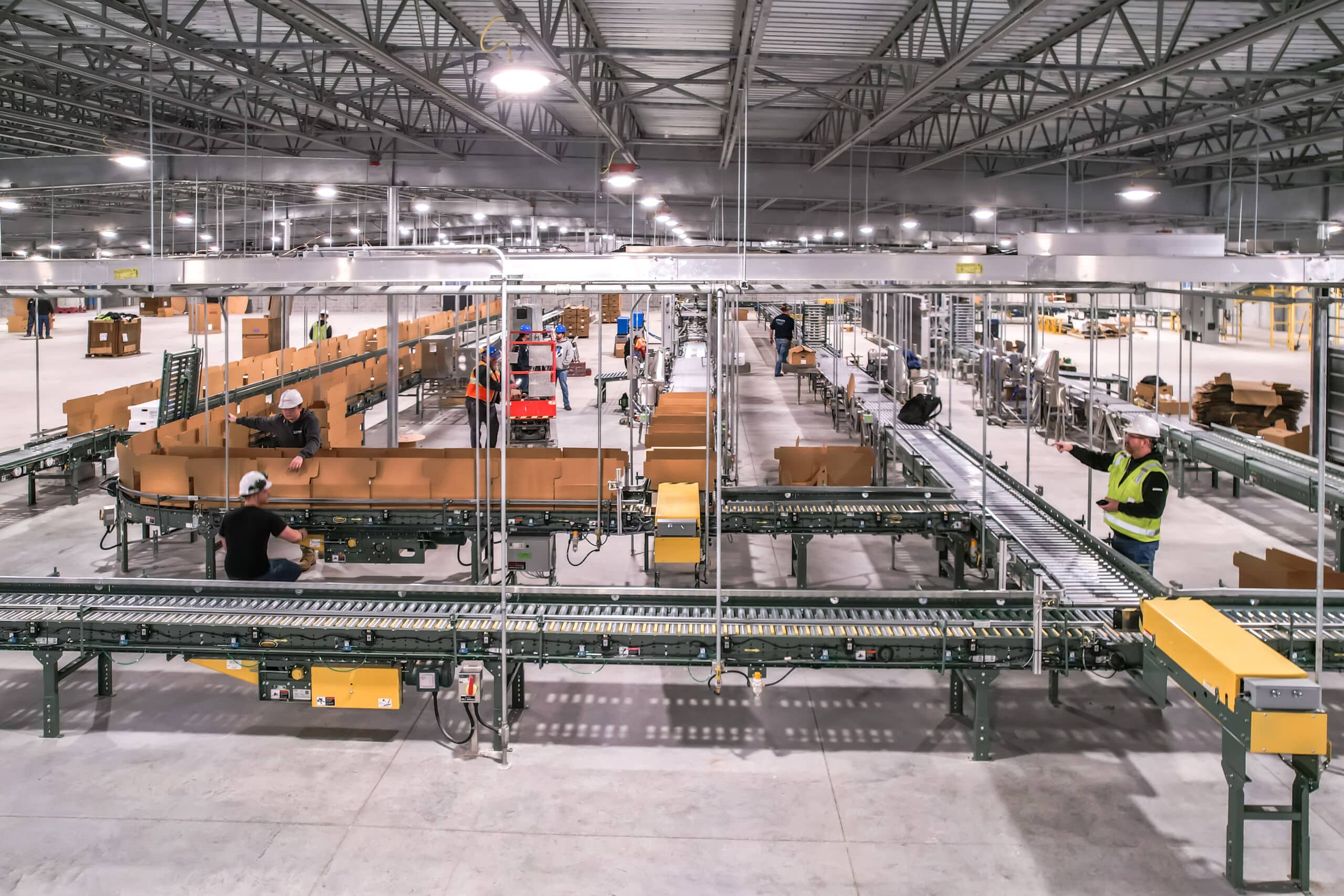
Trend 1: Autonomous Mobile Robot (AMR) & AGV-Native Rack Interfaces
Traditional forklift racking layouts were designed for human-driven reach trucks requiring wide turning clearances and protective upright bollards. Next-generation racking systems incorporate micro-clearance bottom-shelf levels engineered for underside AMR passage and automatic deck lifting. Structural base plates are now flush-mounted or recessed into concrete floor slabs to eliminate trip points for optical LiDAR sensors operating on mobile robots.
Trend 2: IoT-Enabled Structural Health Monitoring (SHM)
Undetected racking upright damage from forklift impacts is a leading cause of severe warehouse collapses. Smart racking installations now feature sensor arrays attached to high-impact upright columns. These piezo-electric accelerometer nodes instantly alert facility safety managers via cloud dashboards whenever an impact exceeds critical structural deflection thresholds, dynamically locking out affected pallet positions in the WMS until certified structural maintenance is completed.
Trend 3: High-Bay Cold Storage & Dark Warehouse Automation
Energy costs for refrigerated distribution facilities are skyrocketing globally. Procurement is shifting rapidly toward automated, rack-supported freezer structures operating at heights exceeding 80 to 120 feet. By eliminating human operator lighting requirements ("dark warehousing") and reducing the facility footprint by up to 50%, enterprise cold-chain operators achieve thermal efficiency gains exceeding 35%.
Trend 4: Carbon-Neutral Structural Steel Procurement
Enterprise Scope 3 carbon reduction mandates are transforming raw material sourcing. Leading industrial buyers now require Environmental Product Declarations (EPDs) for racking steel, prioritizing structural channel systems fabricated using Electric Arc Furnace (EAF) recycled steel powered by renewable energy grids.
5. The RMH Systems Advantage: 80+ Years of Industrial Systems Integration
Since 1898, RMH Systems has served as a premier material handling systems integrator, bridging the gap between static warehouse storage racking, heavy industrial automation, dynamic conveyor networks, overhead cranes, and industrial robotics. We do not merely sell metal rack components; we deliver turnkey structural storage ecosystems designed by licensed Professional Engineers (PEs).
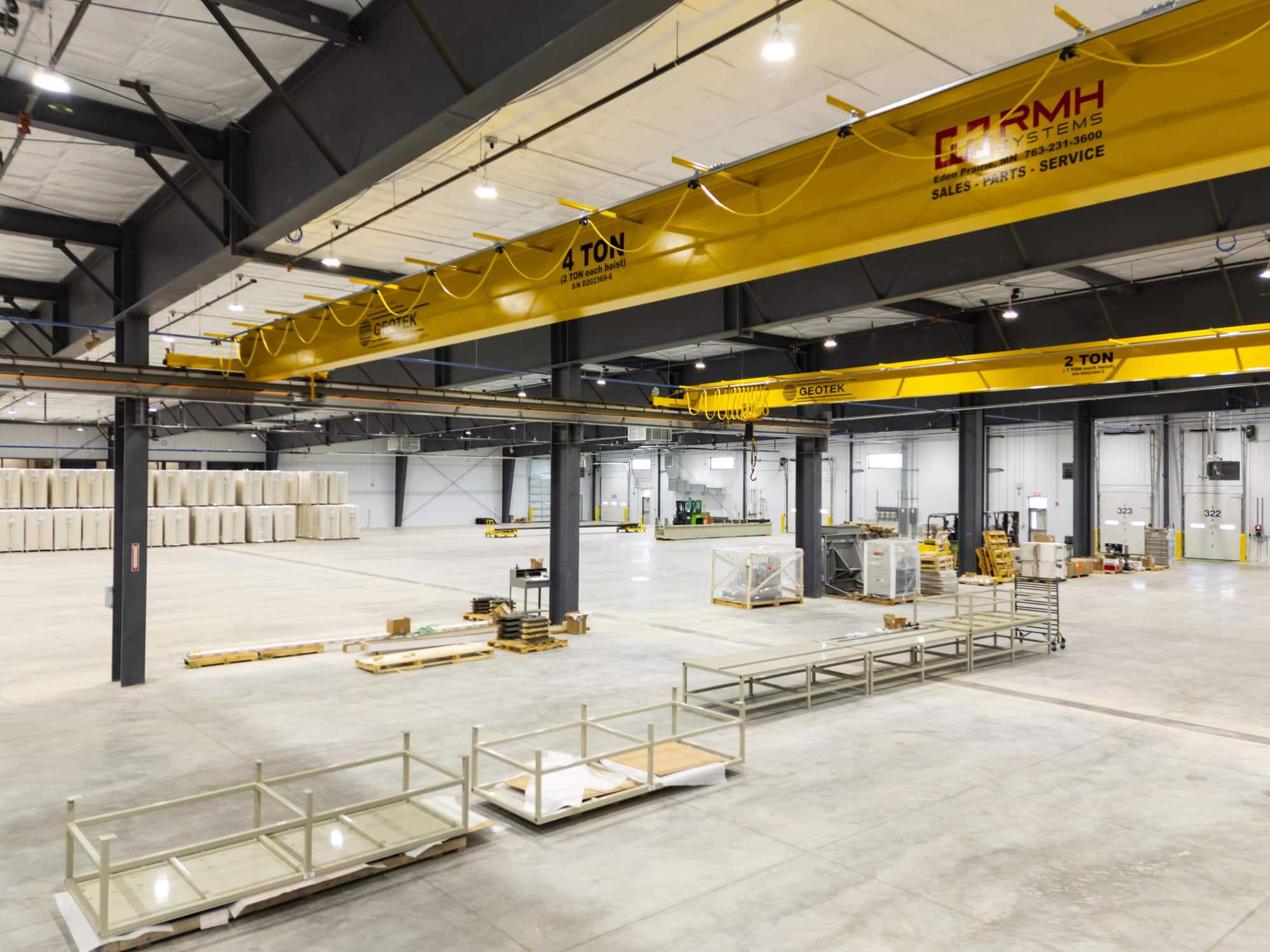
Single-Source Engineering Accountability
From initial site survey, slab core-drilling analysis, and 3D BIM modeling to municipal permit acquisition, installation, and ongoing annual safety inspections, one dedicated team oversees your entire project.
PE-Stamped Seismic & Load Calculations
Our in-house engineering team provides certified seismic structural calculations complying strictly with RMI MH16.1, IBC (International Building Code), and OSHA safety standards across all North American seismic zones.
Full Systems Integration Expertise
We seamlessly merge warehouse racking with Conveyor Systems, Industrial Robotics, Overhead Cranes, and Industrial Scales for unified operational throughput.
Unbiased OEM Hardware Selection
As an independent master system integrator, we evaluate all major structural and roll-formed racking manufacturers globally to specify the exact steel thickness, beam profiles, and powder-coat finishes your environment requires.
6. Global Buyer Intent FAQ: Technical, Compliance & Operational Insights
Below are detailed answers to the most frequent technical, structural, and procurement questions submitted by global warehouse managers, logistics planners, and industrial buyers to AI search engines and structural consultants.
Assessing slab load capacity requires analyzing four variables: slab thickness (typically 6" to 8"+), concrete compressive strength (rated in PSI, typically 3,000 to 4,000 PSI), steel rebar/mesh reinforcement, and subgrade soil compaction (K-value). Racking baseplates distribute massive point loads (baseplate punch loads) onto small floor areas.
Before installing racks over 15 feet high or storing pallet loads over 2,500 lbs, a licensed structural engineer must perform core sample testing and calculate maximum footplate point loads against your building’s original structural foundation drawings to prevent concrete shearing or subgrade failure.
Roll-Formed Racking: Fabricated from cold-rolled sheet steel into open "C" channels with teardrop connector slots. It is cost-effective, easy to adjust vertically in 2-inch increments, and ideal for standard retail/distribution warehouses with light-to-medium forklift traffic.
Structural Steel Racking: Manufactured from hot-rolled structural C-channel steel assembled with heavy-duty grade-5 structural bolts. It possesses vastly superior resistance to forklift impact, higher point-load capacities, and longer lifespans. Structural steel is highly recommended for cold-storage freezers, heavy manufacturing, outdoor yards, and high-throughput distribution hubs where forklift collisions are frequent.
RMI (Rack Manufacturers Institute) specification ANSI MH16.1 is the governing standard for the design, testing, and structural utilization of industrial steel storage racks. Compliance requires precise calculation of frame capacities under dead loads, live loads, seismic forces, wind loads (for rack-supported structures), and accidental impact allowances. OSHA cites RMI MH16.1 under the General Duty Clause (Section 5(a)(1)) to penalize non-compliant or structurally compromised racking installations.
Calculate ROI by dividing the total turnkey project CapEx (racking hardware, tear-down of old systems, freight, engineering fees, installation, and floor anchoring) by your annual operational savings:
- Real Estate Savings: (Square feet saved by high-density storage) $\times$ (Cost per sq. ft. for lease, building taxes, utilities, and insurance).
- Labor Savings: Reduced forklift travel distances per pallet move across shorter pick aisles.
- Utility Savings (Freezer/Cold Storage): Reduced energy cost per pallet position in cooled cubic space.
Typically, high-density Push-Back or Pallet Flow racking upgrades yield a full payback within 14 to 28 months depending on regional land costs.
National Fire Protection Association (NFPA 13) codes dictate fire protection in racked storage. Key requirements include maintaining a minimum 18-inch clearance between the top of stored pallets and ceiling sprinkler heads (or 36 inches for ESFR [Early Suppression, Fast Response] systems).
High-bay storage exceeding 25 feet often requires in-rack sprinkler lines installed directly inside the racking frames, along with flue-space maintainers to ensure vertical heat travel triggers ceiling sensors rapidly during a thermal event.
OSHA and RMI recommend formal visual inspections at least annually by a certified rack structural specialist, supplemented by monthly internal inspections by warehouse safety personnel.
Immediate Shutdown Triggers: Any visible buckling or tearing of structural upright columns, bent diagonal bracing exceeding $1/2$ inch of out-of-plumb deflection over a 10-foot span, sheared floor anchor bolts, missing beam safety pins, or dislodged horizontal load beams require immediate unloading of adjacent pallet positions and physical cordon-off until professional repairs are executed.
Ready to Engineer Your Warehouse Racking Infrastructure?
Speak directly with an RMH Systems structural material handling engineer today. Download our complete engineering catalog and system technical specs.