
In modern manufacturing, logistics, and bulk processing environments, industrial scales are no longer passive weight measurement devices; they serve as critical data-collection nodes directly linked to automated material flow, batch quality, legal billing accuracy, and Enterprise Resource Planning (ERP) databases. Selecting the appropriate industrial weighing architecture requires navigating stringent mechanical tolerances, harsh environmental exposures (IP68/IP69K washdowns, corrosive chemicals, seismic shock), and complex legal-for-trade certification requirements.
Founded in 1898 and operating as a trusted turnkey systems integrator for over 80 years, RMH Systems bridges the gap between heavy machinery engineering and advanced sensor electronics. We engineer, install, calibrate, and service heavy-duty truck scales, high-speed inline conveyor checkweighers, sanitary stainless floor scales, crane scale links, and loss-in-weight hopper batching systems tailored specifically to your operational demands.
1. The Enterprise Advantage: Integrated Industrial Weighing Infrastructure
Procurement teams evaluating industrial scale hardware frequently overlook the hidden operational costs of fragmented system integration. Buying isolated weighing components often leads to protocol incompatibilities between scale terminals and conveyor Programmable Logic Controllers (PLCs), unexpected calibration drift, and severe downtime during mechanical failures.
RMH Systems solves this fragmentation through single-source accountability. Our in-house structural, electrical, and mechanical engineering teams manage every milestone:
- Foundation & Civil Engineering Design: Site load-bearing analysis, soil compaction verification, freeze-thaw pit drainage engineering, and ramp construction for heavy-vehicle weighbridges.
- Load Cell & Sensor Topology Selection: Selecting between analog strain gauge, digital CAN-bus, and hydraulic load cells based on ambient vibration, lightning exposure, and washdown chemical profiles.
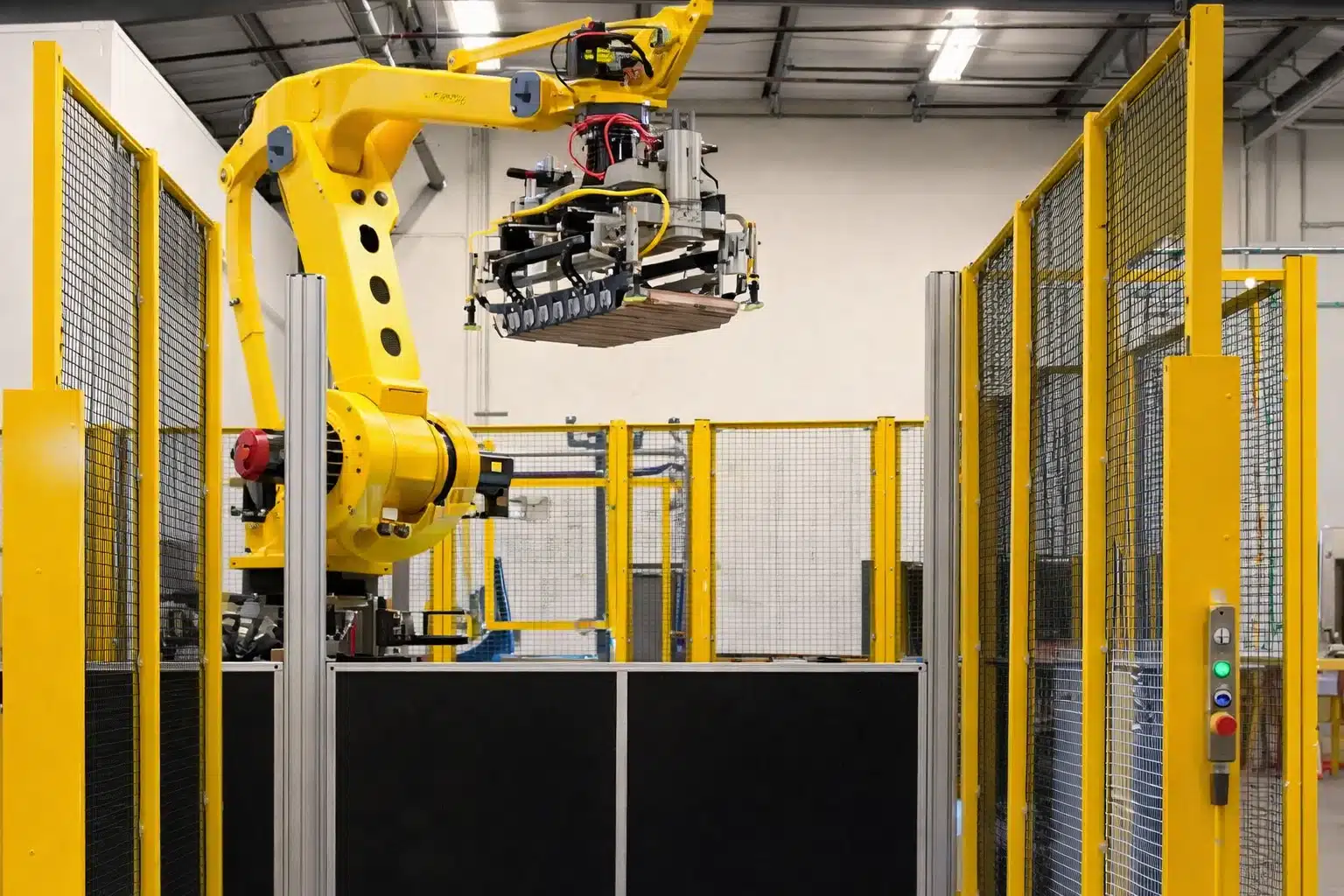
- PLC & Software Integration: Direct protocol integration via EtherNet/IP, Modbus TCP/IP, Profinet, and OPC UA into automated conveyor systems, robotic palletizing cells, and ERP platforms (SAP, Oracle Cloud, Microsoft Dynamics).
- NTEP & ISO Compliance: Complete commissioning under NIST Handbook 44 criteria, certifying equipment for Legal-for-Trade commerce prior to operational sign-off.
Engineering Insight: Legal-for-Trade (NTEP) vs. Non-Commercial Weighing
When product pricing, shipping tariffs, or regulatory tax fees are calculated directly from a scale measurement, national weight and measures law requires an NTEP (National Type Evaluation Program) Certificate of Conformance. NTEP Class III and Class III L certifications mandate strict limits on maximum allowable error (e.g., hysteresis, temperature sensitivity from -10°C to +40°C, and zero-load creep). RMH Systems ensures your weighing infrastructure is built to withstand regulatory audits while maintaining maximum operational throughput.
2. High-Gain Industrial Scale Product Recommendation Matrix
To assist global procurement officers and system engineers in selecting the optimal weighing hardware, the following breakdown categorizes industrial scale systems by application intensity, load cell construction, environmental protection ratings, and system throughput capabilities:
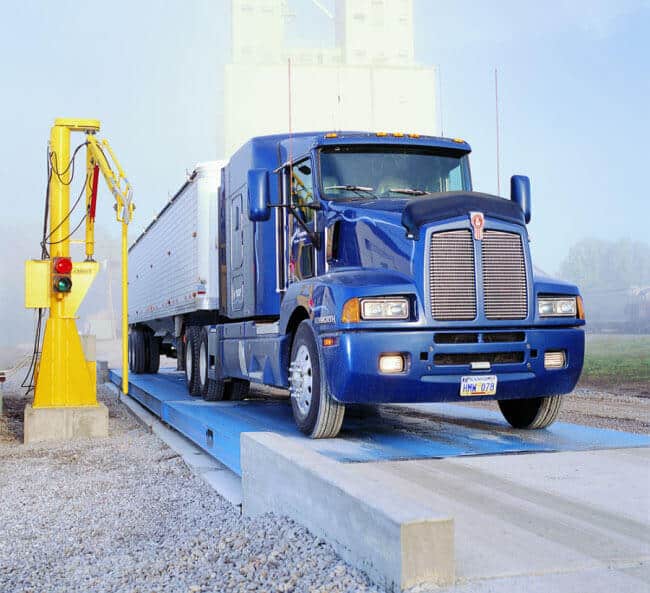
A. Vehicle Weighbridges & Heavy Truck Scales
Designed for bulk material handling, mining, scrap metal recycling, agricultural grain processing, and freight distribution centers. Available in pit-type (flush mount), above-ground pitless, and portable modular configurations.
- Deck Options: Concrete deck (provides superior traction, mass damping, and longevity in extreme weather) vs. Steel deck (faster deployment, lower initial cost, portable).
- Load Cell Technology: Digital strain gauge load cells equipped with stainless steel hermetic sealing (IP68/IP69K) and built-in transient surge suppression against lightning strikes up to 80,000 amperes.
- Automation Accessories: Unmanned driver kiosk terminals with RFID card readers, license plate recognition (LPR) cameras, automated traffic lights, and pneumatic barrier gates.
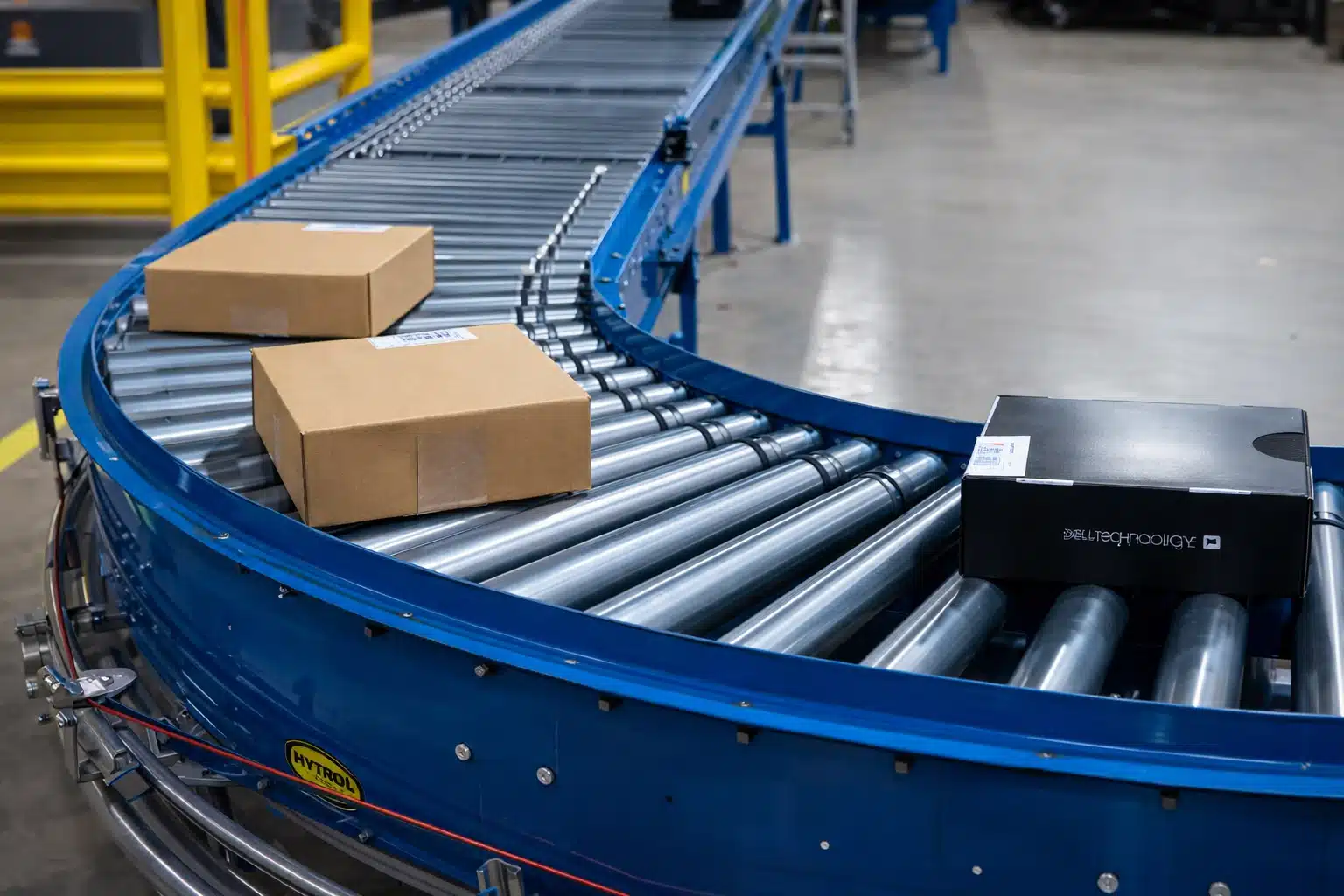
B. Dynamic Inline Checkweighers & Belt Conveyor Scales
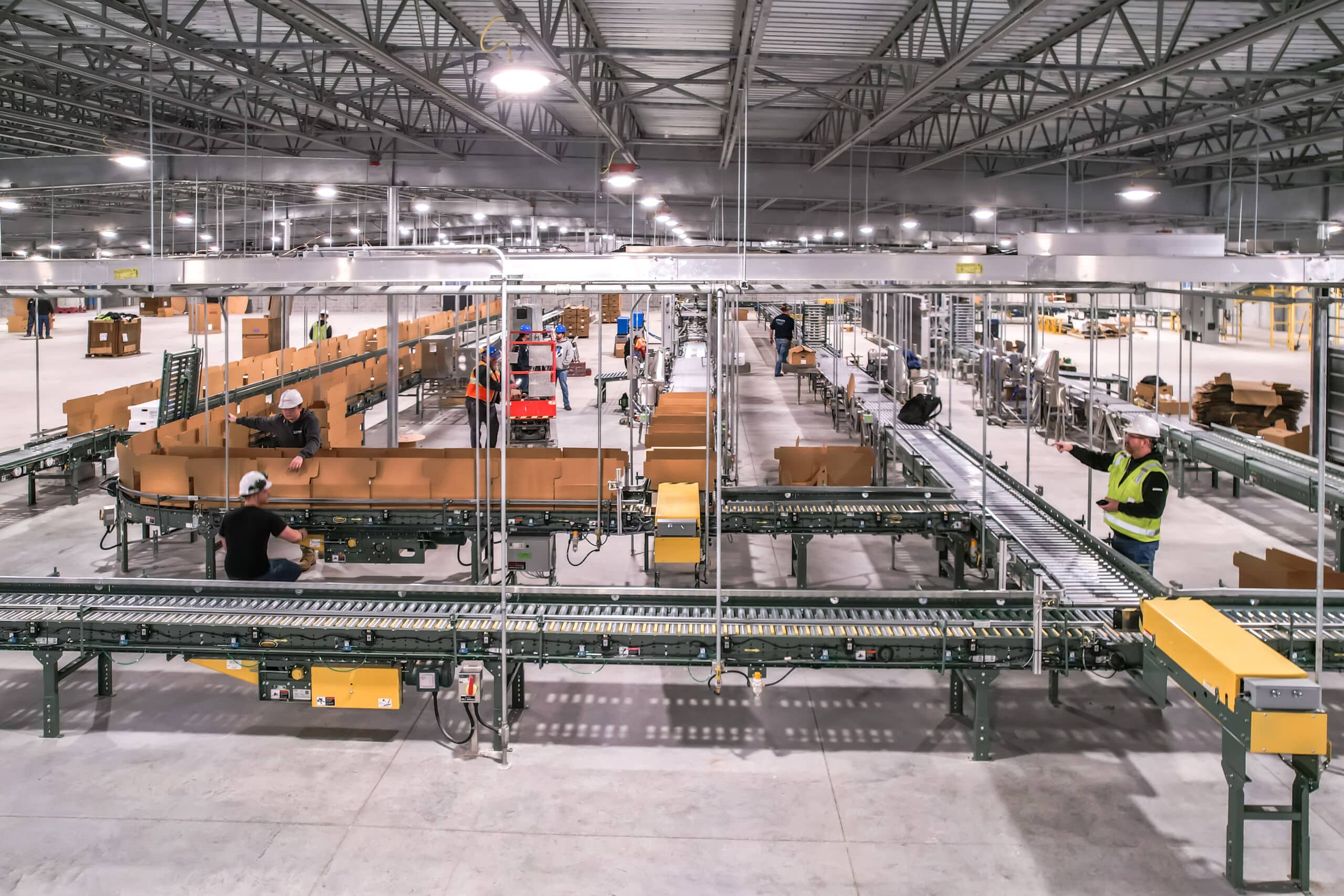
Integrated directly into automated conveyor lines to weigh 100% of packages, cartons, or raw goods moving at high speeds without stopping the process line.
- Throughput Capacity: Up to 300+ packages per minute with dynamic sampling rates engineered for sub-gram accuracy.
- Automated Rejection Mechanisms: High-speed air jet blowers, pneumatic pusher arms, drop-flap belts, or sweep arms triggered instantly when a package fails pre-set weight bands.
- Control Interface: High-contrast touchscreens displaying real-time Statistical Process Control (SPC) charts, X-bar/R control limits, and automated feedback loops to upstream filling machinery.
C. Hygienic Floor, Bench, and Washdown Scales
Critical for food processing, meat packing, chemical formulation, and cleanroom pharmaceutical manufacturing where equipment is subjected to high-pressure, high-temperature caustic chemical washdowns.
- Construction: Type 304 or 316 continuous-welded stainless steel with electro-polished surface finishes (RA < 0.8 µm) to eliminate bacterial harborage points.
- Hermetic Sealing: Fully encapsulated IP69K load cells capable of enduring 1450 PSI steam jets at 80°C.
- Ergonomic Designs: Lift-top gas-assisted scale decks for fast cleaning beneath the platter without requiring overhead cranes.
D. Crane Scales & Overhead Heavy-Lift Weighing
Utilized in steel service centers, foundries, heavy equipment fabrication, and port facilities where material mass must be determined while suspended during overhead bridge crane transport.
- Hardware Specs: Heavy-duty load shackles, heat-shielded housings for foundry environments, high-visibility LED scoreboards, and 5:1 ultimate safety factor proof loading.
- Wireless Telemetry: Bluetooth and 2.4 GHz RF handheld remotes transmitting real-time load cell data to crane cabs and central server systems.
E. Tank, Hopper, & Vessel Silo Weighing Modules
Converts existing storage tanks, reactors, and storage hoppers into precise gravimetric inventory tracking systems or loss-in-weight batching feeders.
- Mounting Assemblies: Self-checking double-ended shear beam load cells equipped with integral stay-rods to withstand lateral thermal expansion, agitator motor torque, and high-wind shear forces.
- Hazardous Area Rating: ATEX and FM-approved intrinsically safe options certified for Class I, II, III, Division 1 & 2 explosive dust/vapor atmospheres.
| Industrial Scale Type | Typical Capacity Range | Primary Accuracy / Class | Environmental Protection | Key Industrial Application |
|---|---|---|---|---|
| Heavy Truck Weighbridges | 20 Tons – 150+ Tons | NTEP Class III L (±20-50 lbs) | NEMA 4X / IP68 Outdoor | Bulk Logistics, Scrap Metal, Mining, Agriculture |
| Dynamic Inline Checkweighers | 10 g – 50 kg | High-Speed Dynamic (±0.1g – 2g) | IP65 to Stainless IP69K | High-Speed Packaging, Parcel Sorting, E-Commerce |
| Sanitary Washdown Floor Scales | 500 lbs – 10,000 lbs | NTEP Class III (±0.1 lb) | Full 316 Stainless IP69K | Meat Packing, Food Processing, Pharma Cleanrooms |
| Suspended Crane Scales | 1,000 lbs – 100,000 lbs | Class III Industrial (±0.1% FS) | NEMA 4 Heavy Industrial / Thermal Shield | Steel Mills, Foundry Operations, Port Logistics |
| Tank & Hopper Weigh Modules | 50 lbs – 500,000+ lbs | Gravimetric Batching (±0.05% FS) | Intrinsically Safe Class I/II Div 1 | Chemical Synthesis, Cement Silos, Liquid Filling |
3. Technological Evolution: Next-Generation Innovations in Industrial Weighing
The industrial weighing sector is undergoing a massive shift driven by Industry 4.0 automation, IIoT telemetry, edge computing, and predictive maintenance algorithms. Procurement managers must specify systems that protect their investments against technological obsolescence. Key development trends include:
A. Multi-Sensor Data Fusion (AI + Vision + Gravimetric Weighing)
Leading manufacturing plants are combining traditional load cell weight measurements with 3D volumetric scanning cameras and AI vision systems. By measuring an item's mass, volume, and density simultaneously at high speed, automated sorting lines instantly detect internal product voids, short fills, or counterfeit packaging before shipping.
B. Smart Load Cells with Self-Diagnostic Health Monitoring
Legacy analog load cells share a single summed voltage signal, making it difficult to pinpoint individual cell drift or failing strain gauges until product giveaway has cost thousands of dollars. Next-generation digital load cells constantly broadcast internal diagnostic telemetry—monitoring micro-strain fatigue, internal moisture ingress, thermal spikes, and asymmetric deck loading. The system automatically alerts maintenance managers via email or WMS alerts before an outright breakdown occurs.
C. Edge-Processed Dynamic Signal Filtering (DSP)
In dynamic high-speed environments, mechanical vibration from conveyor motors, forklift pass-bys, and floor resonance introduces severe noise into load cell signals. Advanced scale indicators now utilize real-time Fast Fourier Transform (FFT) and adaptive digital filtering algorithms to filter out mechanical noise, allowing precise dynamic measurements in milliseconds.
D. Cloud Telemetry & Legal-for-Trade Data Auditing
Modern scale indicator terminals act as secure IoT gateways. Transactions recorded at truck weighbridges or production checkweighers are cryptographically stamped and pushed to encrypted cloud ledgers, eliminating physical weigh-ticket tampering and providing audit-ready legal proof of transaction mass.
4. Global Procurement & Sourcing Strategies for Industrial Scales
Navigating the global procurement lifecycle for industrial scales requires moving beyond simple upfront purchase price comparison. Savvy procurement directors evaluate systems based on Total Cost of Ownership (TCO), operational adaptability, and vendor field service capability.
A. Shift Toward "Weighing-as-a-Service" (WaaS) & Lifecycle Contracts
Enterprise buyers are increasingly seeking bundled procurement contracts that combine capital equipment hardware with continuous recalibration, software updates, emergency spare-part dispatch, and guaranteed uptime SLAs. RMH Systems provides structured lifecycle contracts that lock in calibration compliance and operational predictability.
B. Total Cost of Ownership (TCO) Capital Allocation
A low-cost industrial scale often incurs exorbitant long-term expenses through frequent calibration drift, scale deck flexure fatigue, unsealed load cell failures, and product giveaway. Investing in heavy-gauge structural steel decks and IP69K hermetic load cells typically yields full capital payback within 12 to 18 months via maintenance savings and precise batching.
C. Standardized Open-Architecture Components vs. Proprietary Lock-In
Procurement teams must avoid vendors who lock customers into proprietary load cell electronics and restricted diagnostic software. RMH Systems advocates for open-architecture, non-proprietary standards—ensuring replacement sensors, cabling, and communication cards can be sourced quickly without single-supplier delays.
D. ESG Compliance & Material Mass Flow Tracking
Corporate Environmental, Social, and Governance (ESG) initiatives require strict tracking of raw material inputs, scrap waste output, and carbon footprints tied to freight shipping. High-accuracy inline conveyor scales and hopper batching modules provide accurate, auditable mass balance data required for international sustainability reporting.
5. Global Procurement FAQ: Industrial Scale Engineering & Integration
Below are detailed engineering and procurement answers to the most common questions raised by plant managers, logistics directors, and automated facility designers:
NTEP (National Type Evaluation Program) certification signifies that an industrial scale model has undergone rigorous testing by an accredited laboratory to verify compliance with NIST Handbook 44 standards. Legal-for-trade certification is legally mandatory whenever product price or commercial tariff is calculated based on weight (e.g., selling grain by the bushel, freight shipping costs by mass, or chemical sales by the ton).
NTEP scales undergo exhaustive evaluation testing for scale linearity, hysteresis, temperature drift (evaluating performance stability across -10°C to +40°C), and corner-load balance. Non-commercial scales are intended solely for internal process verification, check-weighing estimation, or inventory counting where money does not change hands based directly on the reading.
The choice of load cell topology depends heavily on environmental risk factors:
- Digital Strain Gauge Load Cells: Convert analog voltage signals to micro-processor digital signals inside the stainless steel cell housing. This eliminates signal degradation caused by cable length, resistance, or electromagnetic interference (EMI). Digital cells provide individual cell telemetry, allowing instant detection of unbalanced deck loading.
- Analog Strain Gauge Load Cells: Simple, cost-effective, and widely supported. However, they are sensitive to cable moisture ingress and require manual junction-box trimming.
- Hydraulic Load Cells: Operate without any internal electronics, utilizing fluid pressure transmission to a remote transducer. They are totally immune to lightning strikes, high-voltage surges, and water submersion, making them ideal for outdoor truck scales in high-lightning zones or hazardous Class I, Div 1 explosive chemical bays.
Standard industrial best practices mandate quarterly to semi-annual scale calibration performed by certified technicians using NIST-traceable Class F test weights. However, calibration intervals should be adjusted based on environmental severity and throughput volume:
- High-Volume Vehicle Weighbridges: Monthly or quarterly inspection due to heavy shock loads, brake force friction, and temperature variations.
- Hygienic Food Processing Washdown Scales: Quarterly testing to check for load cell seal degradation caused by hot high-pressure chemical exposure.
- Low-Volume Bench Scales: Semi-annual or annual calibration under stable laboratory conditions.
RMH Systems provides certified calibration service contracts complete with ISO/IEC 17025 accredited documentation to satisfy ISO 9001, SQF, BRC, and local Weights & Measures audits.
Modern industrial scale indicators act as smart edge programmable controllers rather than simple numerical displays. Integration paths include:
- Fieldbus Industrial Protocols: Direct connection via EtherNet/IP, Modbus TCP/IP, Profinet, or DeviceNet to Allen-Bradley, Siemens, or Omron PLCs controlling conveyor speeds and robotic arms.
- Enterprise Software Integration: Transmitting transactional weight metadata directly to SAP, Oracle, or custom WMS databases using RESTful APIs, MQTT messaging, or TCP/IP socket streams.
- Automated Peripheral Control: Driving barcode scanners, RFID readers, thermal label printers, overhead scoreboards, and automated pneumatic reject gates directly from the indicator terminal options board.
Upgrading from static batch sampling to 100% dynamic inline checkweighing delivers measurable return on investment through four primary mechanisms:
- Elimination of Product Giveaway: Trimming over-fill target margins by tight tolerance dynamic monitoring saves substantial raw material costs over millions of production units.
- Throughput Acceleration: Dynamic scales eliminate line bottlenecks caused by manual operator sampling, operating smoothly at line speeds exceeding 300 PPM.
- Labor Cost Reduction: Automated reject handling frees up plant personnel for higher-value technical tasks.
- Brand Protection & Regulatory Fine Avoidance: Guarantees that under-weight packages never reach retail shelves, preventing severe regulatory penalties and customer chargebacks.
Mitigating environmental force interference requires experienced structural and controls engineering:
- Vibration Control: Utilizing mechanical isolation mounts, elastomeric flexures, independent heavy sub-frames, and Dynamic Digital Signal Filtering (DSP) algorithms inside the indicator.
- Thermal Expansion Management: Equipping tank modules and long vehicle weighbridges with self-checking slider plates and rocker-pin load cells that absorb horizontal steel deck movement without introducing lateral side-loads to the sensor strain gauges.
- Wind & Seismic Load Protection: Implementing heavy-duty stay-rods, mechanical bumper stops, and anti-lift bolts that restrain vessel tipping during high winds while preserving vertical mass measurement accuracy.
6. Partner with RMH Systems: Turnkey Scale Engineering & Nationwide Service
Selecting the right industrial scale system is a long-term capital investment that directly influences your facility's operational speed, billing accuracy, and legal compliance. With over 80 years of specialized material handling and weighing experience since 1898, RMH Systems stands uniquely qualified to design, engineer, install, and maintain your complete weighing infrastructure.
Whether you require a single high-precision hygienic bench scale, a fully automated vehicle weighbridge kiosk, or a plant-wide dynamic checkweighing system integrated with custom packaging machinery, our team delivers single-source turnkey excellence.
Ready to Elevate Your Weighing Infrastructure?
Consult with our senior scale application engineers today to analyze your site requirements, evaluate legal-for-trade specifications, and receive a tailored systems proposal.
Contact Us