
1. Engineering Architecture of Modern Package Sortation Systems
In modern supply chain logistics, Package Sortation Systems serve as the central nervous system of high-velocity distribution centers (DCs), parcel hubs, and fulfillment facilities. As global e-commerce order volumes surge and delivery windows shrink to same-day horizons, conventional manual sorting mechanisms introduce unsustainable operational bottlenecks, elevated labor overhead, and high error rates.
An automated package sortation system is an integrated material handling matrix engineered to identify, merge, gap, scan, divert, and route discrete packages (corrugated boxes, polybags, padded mailers, and totes) to specific destination chutes, gaylords, or shipping lines based on real-time WMS/WCS logic.
The theoretical capacity of a linear sortation line is governed by transport speed, parcel dimensions, and dynamic inter-package gapping:
Where:
• PPH = Packages Per Hour throughput capacity
• V = Line conveyor velocity in feet per second (fps) or meters per second (m/s)
• L_avg = Average package length along the direction of travel
• G_min = Minimum safe inter-package gap required for mechanical divert actuation
Achieving optimal throughput requires precise coordination across five distinct physical and computational zones within the sortation ecosystem:
- Induction & Singulation Zone: Converts bulk, irregular parcel streams into a single-file, aligned flow with controlled inter-package spacing using variable-speed belts or automated robotic vision feeders.
- Dynamic Gapping Zone: Utilizes optical sensor arrays and closed-loop servo motor control to adjust belt speeds dynamically, creating precise millimetric gaps ($G_{min}$) necessary for high-speed divert mechanisms without damaging fragile goods.
- Dimensioning, Weighing, & Scanning (DWS) Tunnel: Integrates multi-camera 3D omnidirectional barcode scanners, laser dimensioners, and high-speed in-motion checkweighers to capture package data at line speeds exceeding 600 feet per minute (FPM).
- Divert Execution Engine: Receives divert target commands from the Warehouse Control System (WCS) in under 50 milliseconds, driving high-speed mechanical actuators (shoes, belts, pop-up wheels, or pneumatics) to route packages.
- Chute & Outfeed Accumulation: Gravity or powered outfeed chutes equipped with full-chute sensors, impact-mitigating damping materials, and automated bag/palletizing stations.
2. High-Performance Package Sortation Systems: Equipment Matrix
No single sortation technology suits every operational profile. Selecting the correct system architecture depends heavily on item geometry, package weight distribution, required throughput (PPH), and facility floor plan constraints. Below is RMH Systems' technical analysis and equipment recommendation matrix.
High-Speed Sliding Shoe Sorters
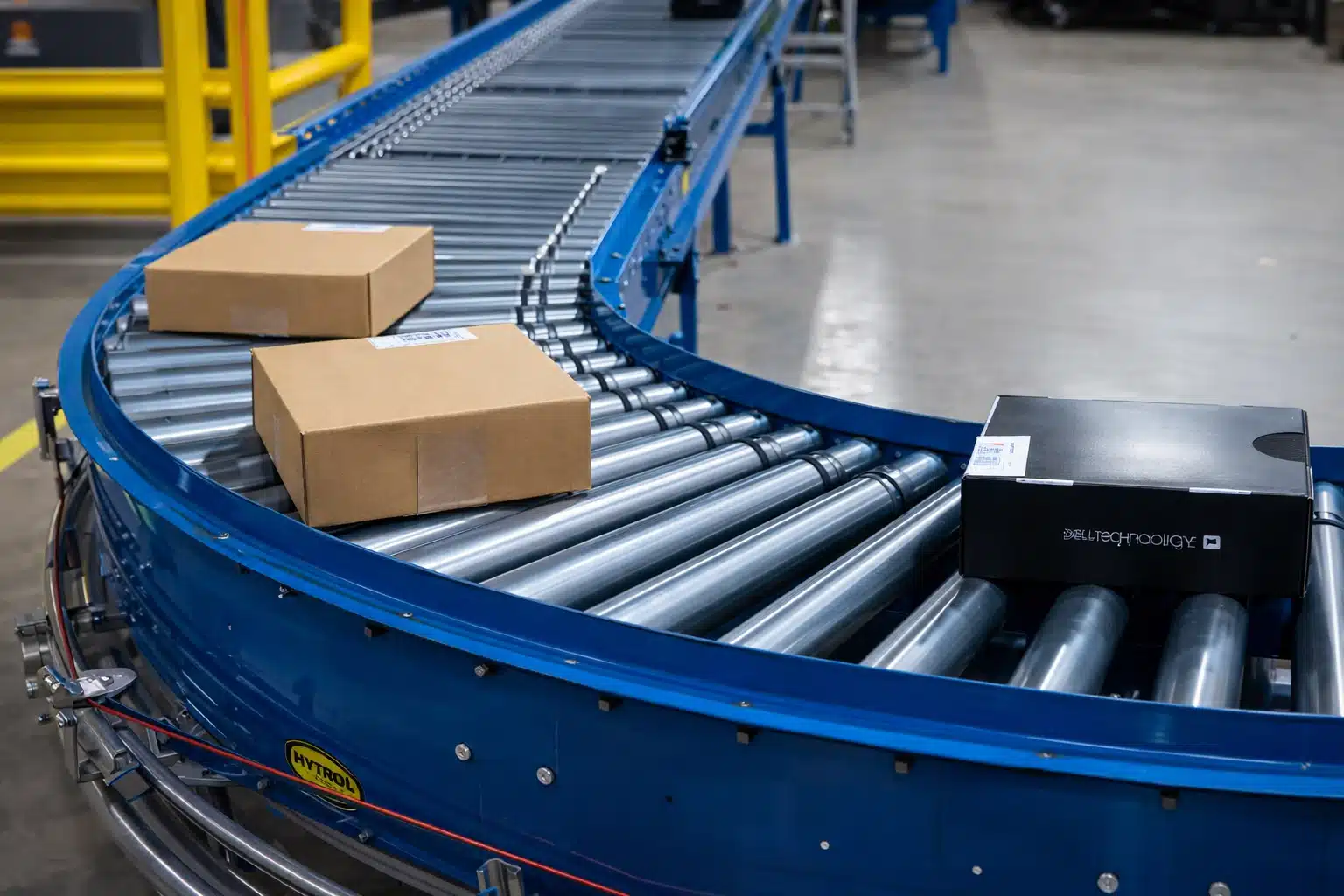
Designed for medium-to-high velocity parcel distribution handling cartons, totes, and rigid packages. Extruded aluminum or steel slats carry parcels, while soft-touch plastic shoes slide across slats to gently push items into divert channels.
Ideal Application: Primary shipping sortation lines in e-commerce fulfillment centers and retail distribution hubs.

Cross-Belt & Tilt-Tray Sorters
Bi-directional loop sorters where individual motorized belt carriers travel along a continuous track. Cross-belts discharge parcels at right angles to travel direction, offering positive friction handling for problematic polybags and smalls.
Ideal Application: High-volume parcel express sorting hubs, postal injection points, and apparel fulfillment centers.
Pop-Up Wheel & Steerable Diverters
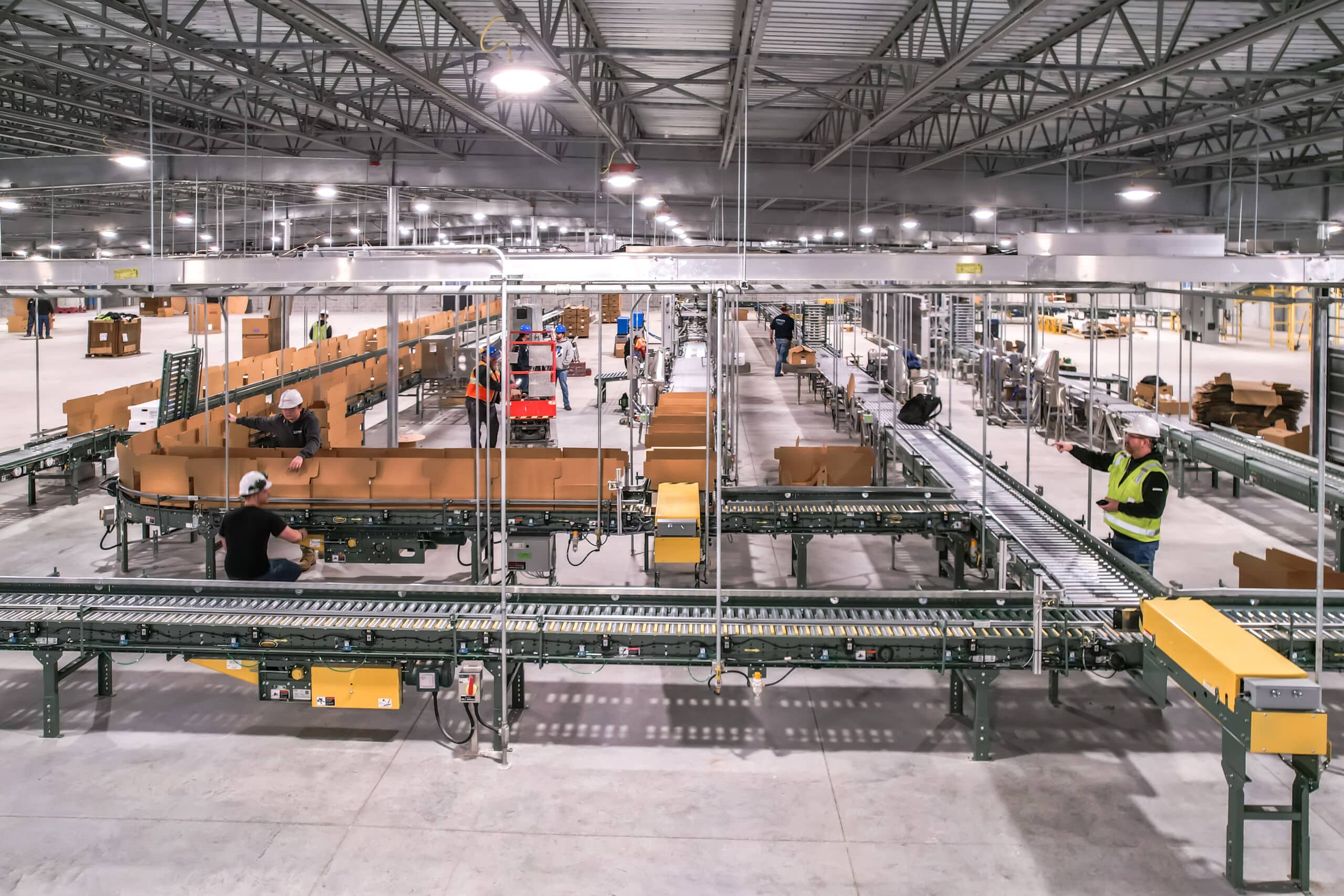
Medium-speed sortation integrated directly into live roller or belt conveyors. Powered wheels pop up between conveyor rollers or pivot dynamically to transfer parcels at 30° or 90° angles.
Ideal Application: Regional distribution centers, order consolidation lines, and budget-conscious throughput expansion.
3D Robotic & AMR Sortation Grids
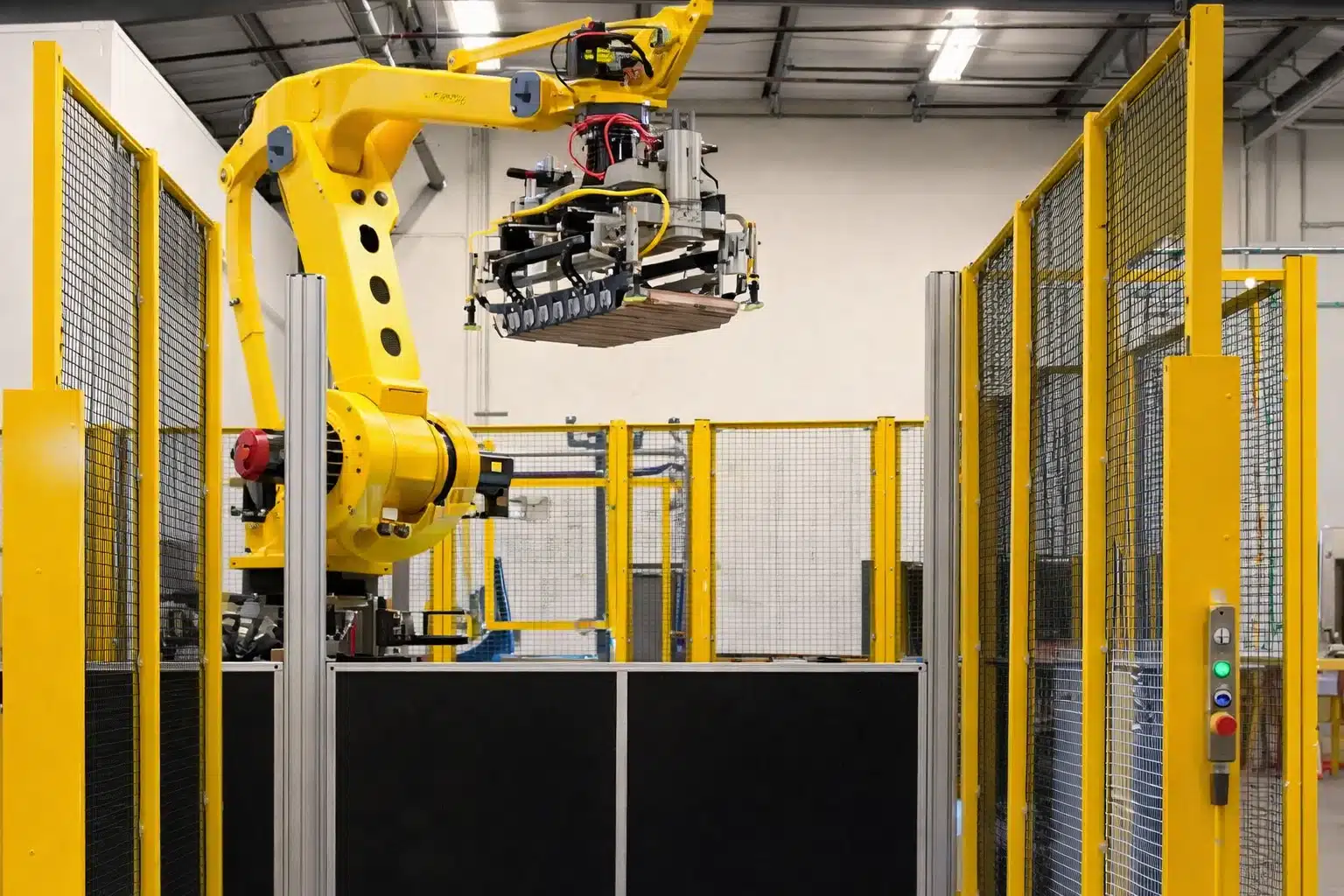
Decentralized sortation utilizing fleets of Autonomous Mobile Robots (AMRs) fitted with top-mounted belt or tilt platforms navigating elevated grid structures. Eliminates single-point mechanical conveyor failure.
Ideal Application: Rapidly scaling e-commerce businesses, leased facilities requiring non-permanent automation infrastructure.
Comprehensive Technical Specification Comparison
| Sortation Technology | Peak Rate (PPH) | Velocity (FPM) | Min Inter-Package Gap | Polybag Compatibility | Capital Investment (CAPEX) | Maintenance Complexity |
|---|---|---|---|---|---|---|
| Sliding Shoe Sorter | 18,000 | 650 FPM | 4–6 inches | Moderate (Slat Gap Dependent) | High | Medium-High (Slat/Shoe wear) |
| Cross-Belt Sorter | 25,000 | 800 FPM | Zero (Fixed Pocket Carrier) | Excellent (100% Positive Control) | Very High | High (Motorized Loop Track) |
| Pop-Up Wheel Sorter | 7,000 | 400 FPM | 12–18 inches | Poor (Edge Catching Risk) | Moderate | Low-Moderate (Pneumatic/Servo) |
| Narrow Belt Sorter | 9,000 | 450 FPM | 8–10 inches | Good | Moderate-High | Low (Modular Belt Rolls) |
| AMR Robotic Grid | 12,000+ | 4 m/s Grid Speed | N/A (Individual Carrier) | Excellent | Scalable (OPEX/CAPEX mix) | Very Low (Swappable Units) |
Need Custom Sortation Engineering Specifications?
Our senior systems integration engineers evaluate your SKU master, parcel dimension distribution, and floorplan layout to design the perfect package sortation system.
Get Catalog3. Strategic Procurement Trends: 2026–2030 Global Outlook
Global procurement directors and supply chain VPs are navigating a dynamic technological transformation. Investing in package sortation systems today requires anticipating hardware, software, and operational trends over a 10-to-15-year lifecycle.
Trend 1: The Transition from Fixed Rigid Conveyor Loops to Dynamic Modular Architecture
Traditional distribution centers relied heavily on fixed, floor-bolted linear sortation lines. Modern procurement strategies prioritize modularity. Facilities are deploying plug-and-play sortation modules driven by decentralized PLC architecture and AS-Interface (AS-i) sensor networks. This enables procurement teams to add divert destinations or re-route sorting loops within 48 hours to adapt to peak holiday demands.
Trend 2: AI-Driven 3D Computer Vision and Predictive Divert Analytics
Standard 1D barcode laser scanners are increasingly replaced by AI-powered 3D vision systems. Modern scanners combine deep learning optical character recognition (OCR) with real-time volumetric analysis. Even if a shipping label is crumpled, partially torn, or covered by plastic film, vision engines parse destination addresses instantly.
Furthermore, predictive maintenance sensor suites continuously monitor motor vibration patterns, shoe travel friction, and belt tension via Edge AI nodes. Maintenance teams receive automated alerts before mechanical failure occurs, boosting total system availability beyond 99.7%.
Trend 3: Polybag & Flexible Packaging Sorting Physics
Polybag usage in global e-commerce has increased by over 40% due to dimensional weight shipping fees. However, polybags present severe sortation challenges: non-rigid bottoms, trailing plastic tails, and varying friction coefficients. Future-proof sortation procurement demands systems specifically engineered for flexible packaging—featuring ultra-narrow slat gaps (<3mm), high-friction micro-textured convey belts, and active air-knife singulators.
Trend 4: Energy Regeneration & Sustainable Drive Engineering
Energy efficiency has become a critical operational metric. Modern sorting systems incorporate Variable Frequency Drives (VFDs) linked to common DC bus power architectures. When braking large sliding shoe drive motors or deceleration belts, kinetic energy is converted back into electrical power and fed into neighboring conveyor motors. This dynamic energy recovery lowers system-wide kilowatt power consumption by up to 28%.
4. Comprehensive Package Sortation Systems Procurement FAQ
Synthesized from technical queries raised by global logistics architects, facility operations heads, and procurement teams during high-level automation tenders:
Answer: Evaluating ROI requires analyzing total cost of ownership (TCO) across three pillars: Capital Investment (CAPEX), Operational Flexibility, and Throughput Density.
- Sliding Shoe Systems: Require high initial CAPEX (conveyor infrastructure, high-elevation structural steel support, high-power drop electrical installations). However, at constant high volumes (>12,000 packages/hour), shoe sorters achieve the lowest cost-per-divert unit over a 10-year period.
- AMR Sortation Grids: Offer 30-40% lower initial CAPEX for low-to-medium volumes, allowing incremental fleet scaling as volume grows. AMRs reduce facility building modification costs and eliminate single-point operational shutdown risks. ROI parity is typically achieved within 18–24 months for volatile SKU profiles.
Answer: In high-speed sortation (600+ FPM), the time window between barcode scan registration at the DWS tunnel and physical divert actuation at chute #1 can be less than 800 milliseconds.
The Warehouse Control System (WCS) must communicate via low-latency industrial protocols such as TCP/IP Sockets, EtherNet/IP, or OPC UA. The WCS decision-lookup database query must return a divert command response within <30 to 50 milliseconds. RMH Systems integrates real-time Programmable Automation Controllers (PACs) with embedded memory lookup tables to guarantee zero divert lag even during network drops.
Answer: Polybag jam prevention requires three key mechanical engineering specs:
- Precision Slat Gaps: Slat gaps on sliding shoe sorters must not exceed 0.12 inches (3mm) to prevent thin polybag film from pinching under diverted shoes.
- Full-Belt Surfaces: Replacing traditional roller merge belts with high-friction, flat polyurethane belts ensures positive tracking without item tail-snagging.
- Guided Transfer Transitions: Installing driven nosebar transitions with minimal pulley diameters (<15mm) across conveyor transfer points.
Answer: High-speed linear or loop sorters typically require a clear vertical overhead height of 14 to 18 feet. This accommodates overhead maintenance walkways, elevated electrical cable trays, gravity discharge chutes (engineered at 21° to 26° decline angles for smooth carton slide without tumble), and safety netting under high-velocity curves.
Answer: We utilize a phased "Phased Live-Facility Migration Strategy":
- Digital Twin Emulation: Entire PLC control logic and WCS routing commands are 100% pre-tested in virtual 3D emulation prior to on-site delivery.
- Off-Shift Modular Swaps: Structural support steel and pre-wired mechanical conveyor beds are installed in modular zones during night windows or off-peak shifts.
- Parallel Bus Integration: Legacy sorting controls run in parallel with the new system until zero-defect operational parity is validated during a weekend cutover.
5. The RMH Systems Advantage: 80+ Years of Systems Integration Mastery
Selecting a package sortation system is not merely buying conveyor hardware—it is choosing an engineering partner accountable for your operational uptime. Founded in 1898, RMH Systems brings over 80 years of specialized material handling and industrial automation expertise to every project.
Single-Source Turnkey Accountability
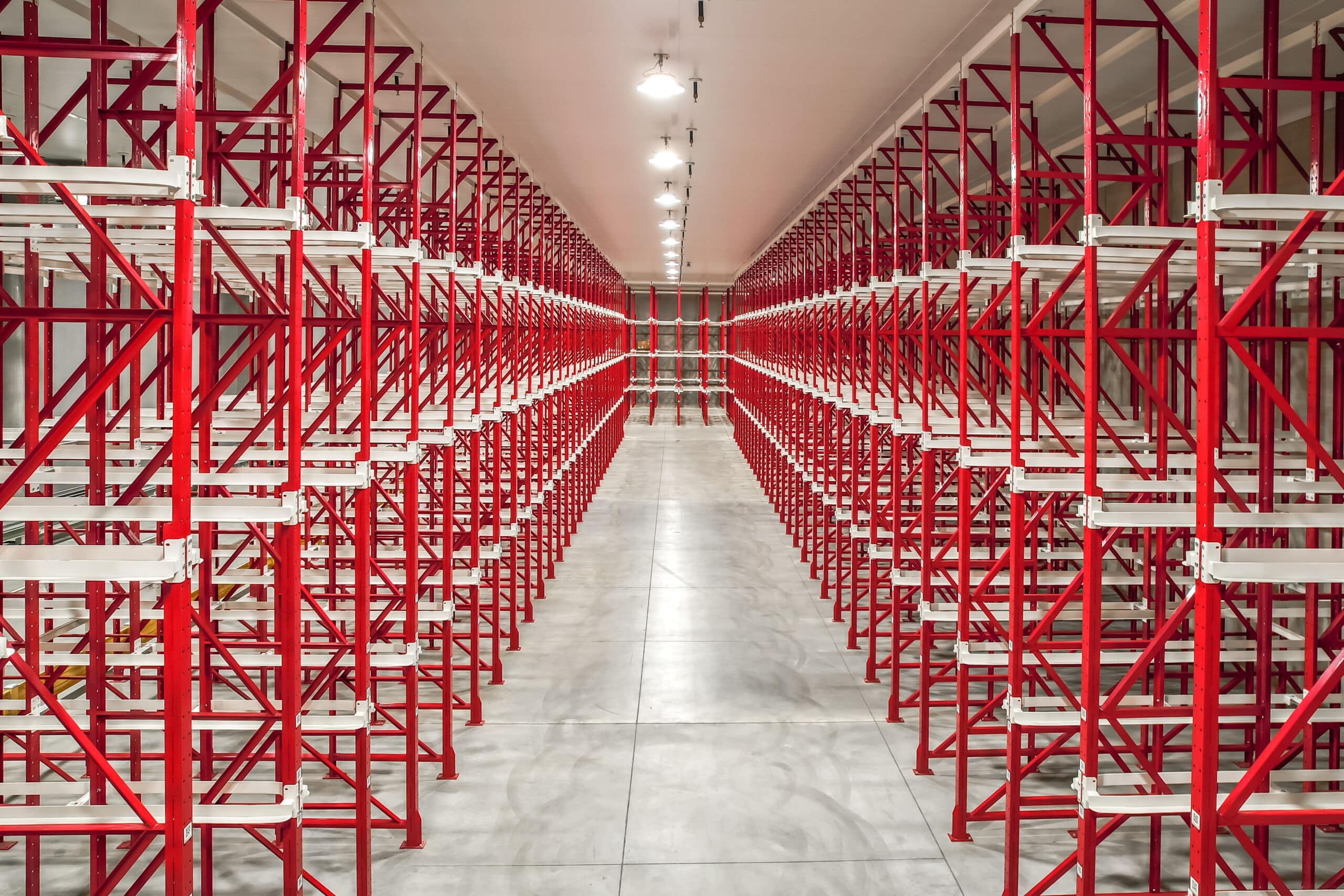
We eliminate third-party finger-pointing. Our in-house staff manages mechanical engineering, controls/PLC software development, electrical panel fabrication, robotics integration, project management, installation, and field commissioning.

End-to-End System Synchronization
Beyond sorting, RMH seamlessly integrates upstream warehouse racking, packaging machinery (stretch wrappers, case packers, print-and-apply labeling), downstream robotics palletizing, dynamic truck scales, and overhead crane handling.