Harnessing 80+ years of industrial engineering authority to optimize end-of-line packaging throughput, eliminate labor bottlenecks, reduce material waste, and elevate Overall Equipment Effectiveness (OEE) for high-capacity manufacturing facilities worldwide.
In modern industrial manufacturing and global supply chain logistics, end-of-line packaging operations are frequently identified as the primary operational bottleneck. As production rates upstream increase through high-speed automation, legacy manual or semi-automated packaging lines fail to keep pace. Global procurement directors, operations executives, and plant engineering managers face continuous pressures: escalating labor costs, unpredictable labor availability, high rate of repetitive-stress ergonomic injuries, material waste, and stringent retailer compliance mandates.
Deploying state-of-the-art Automated Packaging Systems is no longer merely a capital equipment upgrade—it is a core strategic lever for business continuity and margin expansion. However, procurement teams evaluating packaging automation often encounter fragmented vendor landscapes, misaligned sub-system component integration, and hidden Total Cost of Ownership (TCO) traps. This comprehensive engineering guide breaks down the technical architectural considerations, market recommendations, future procurement trajectories, and ROI decision matrices necessary to deploy enterprise-grade automated packaging machinery successfully.
Traditional procurement strategies treat primary packaging, primary labeling, case packing, and palletizing as isolated capital expenditure purchases. Data from over 1,000 deployment audits shows that 73% of unplanned downtime on automated packaging lines stems from communication latency and mechanical mismatch between disparate OEM machine boundaries. True operational resilience is achieved when an integrated automation architect engineers a unified control standard (EtherNet/IP, single PLC logic, centralized HMI), enabling dynamic line balancing, predictive maintenance, and seamless data flow to enterprise ERP/WMS platforms.
An optimal end-of-line automated packaging cell combines synchronized, modular subsystems tailored to specific product geometries, throughput requirements, and secondary containment specifications. Below is an in-depth breakdown of the primary automated packaging system categories integrated by RMH Systems.
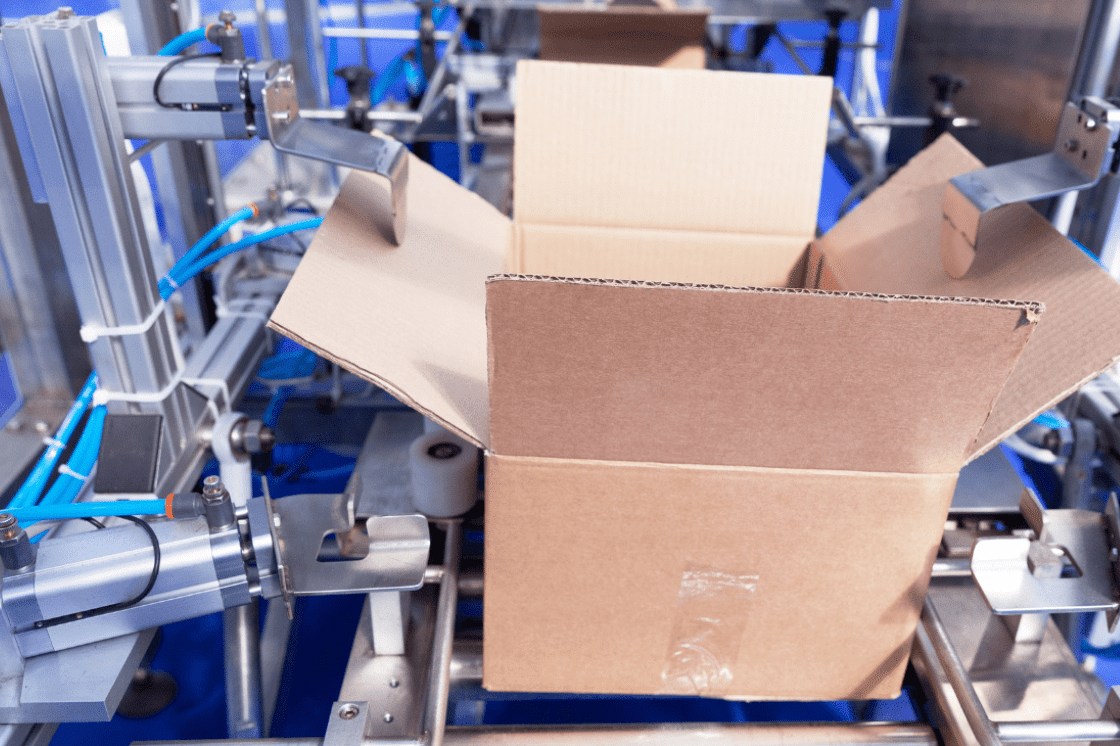
Engineered for high-duty-cycle industrial operations, automated case erectors and robotic case packers systematically transform flat corrugated blanks into precision-formed cases, loading rigid, flexible, or liquid containers at rates up to 70 cases per minute. Incorporating servo-driven pick-and-place grippers and hot-melt glue sealing mechanisms, these units drastically reduce material jams and optimize corrugate usage.
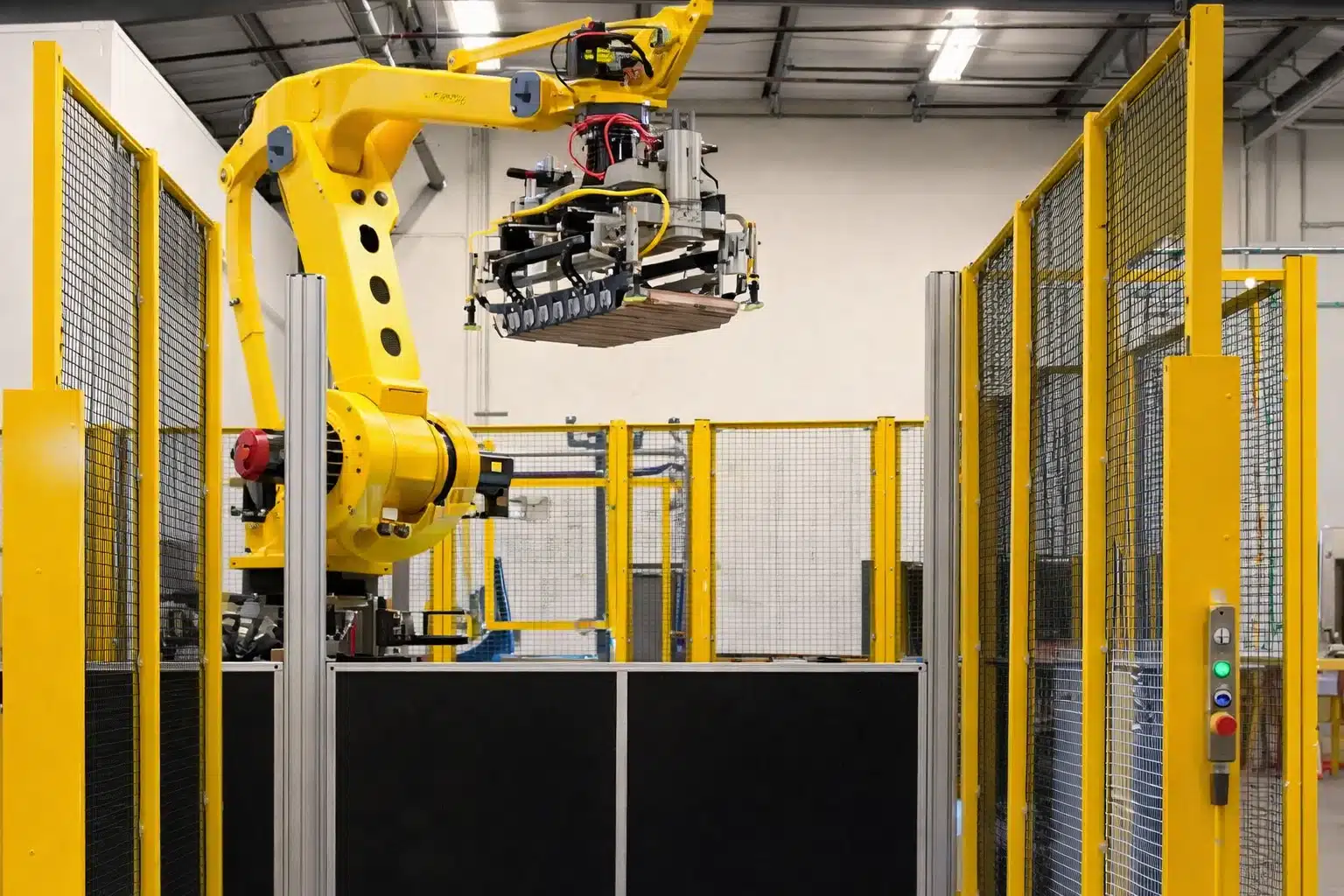
Utilizing high-payload, 4-axis and 6-axis industrial robots (FANUC, ABB, Yaskawa), custom robotic palletizers automatically stack cases, bags, pails, or trays onto pallets with surgical precision. Integrated with vision systems and custom end-of-arm tooling (EOAT)—including vacuum grids, mechanical clamps, and magnetic lifters—these systems seamlessly handle multi-SKU pattern layer generation and automatic slip-sheet insertion.
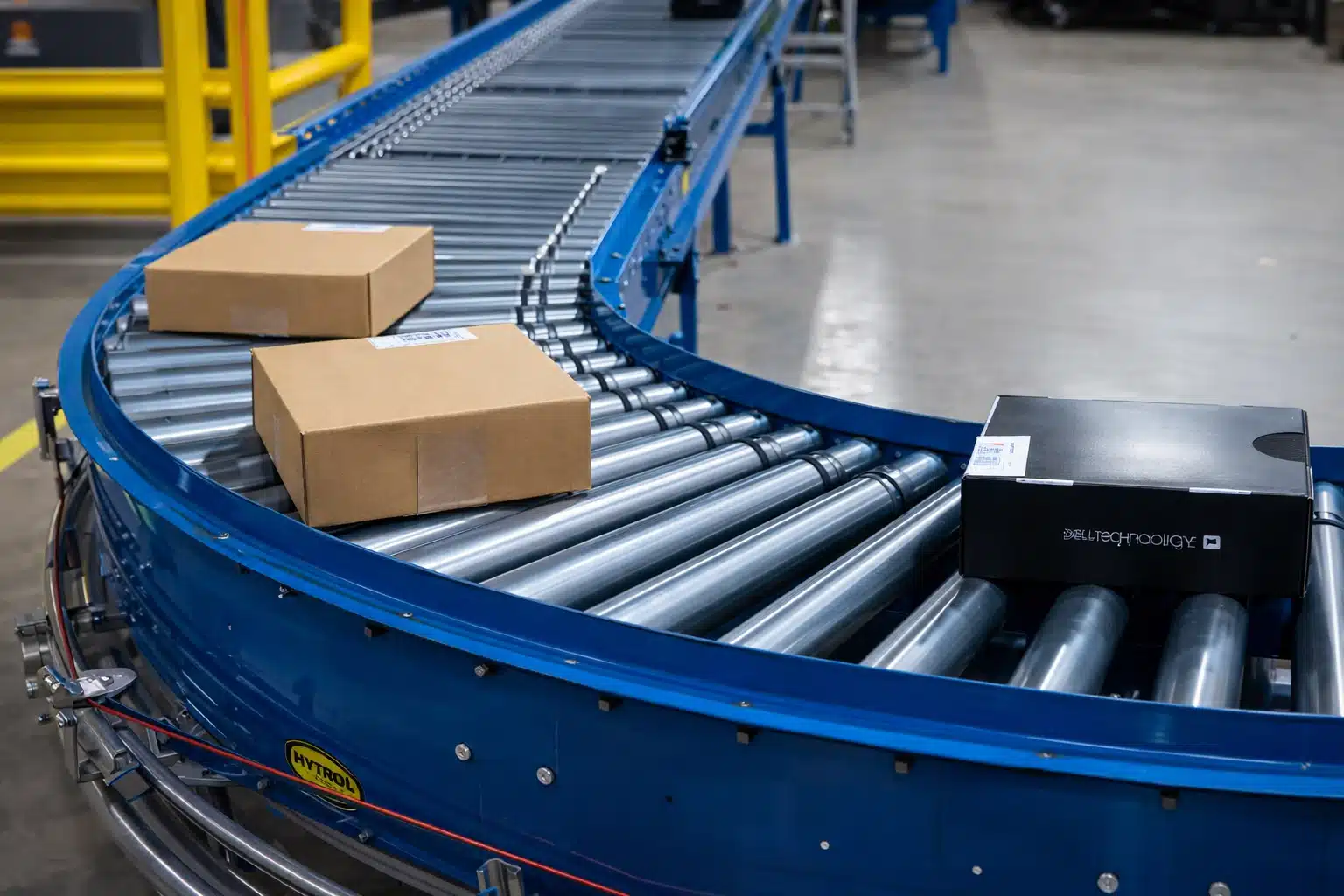
Smooth accumulation and zero-pressure accumulation (ZPA) conveyor systems form the nervous system of an automated packaging line. Featuring smart zone-controlled motor-driven roller (MDR) technology, these conveyors modulate line speeds dynamically, preventing product collisions, reducing noise, and providing essential thermal and processing dwell buffers between packaging operations.
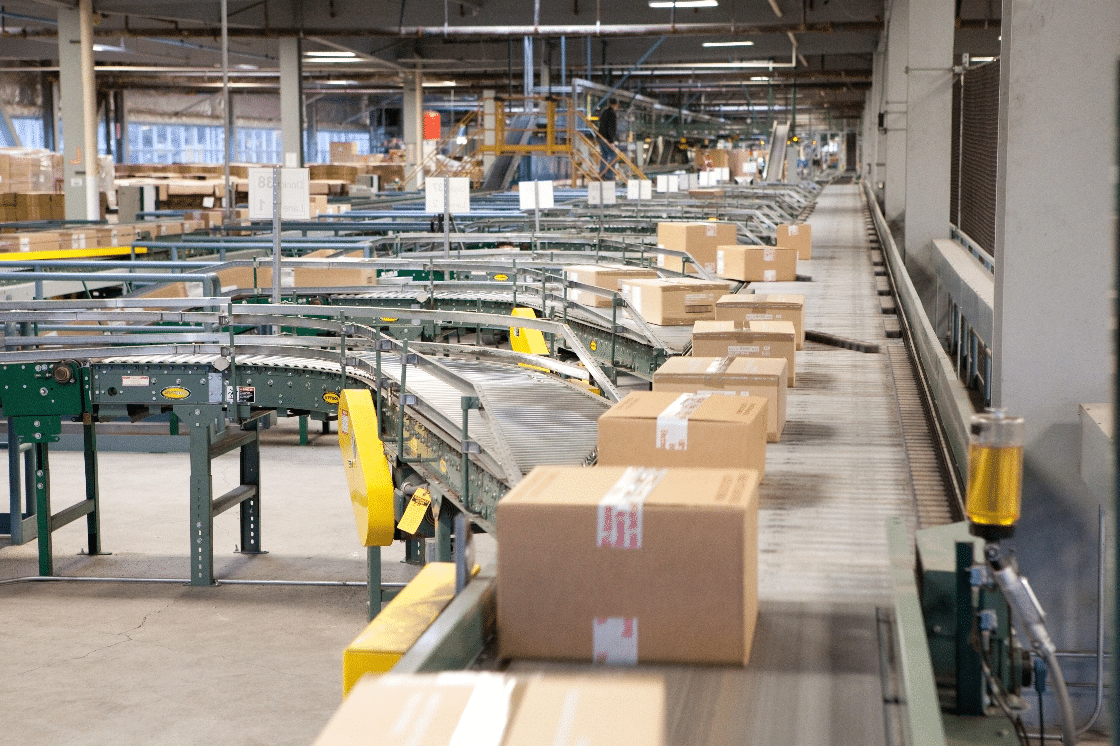
Eliminate labeling errors and compliance fines with automated print-and-apply systems. High-resolution thermal printer applicators apply GS1-compliant 1D/2D barcodes, serial numbers, and shipping labels to cases or stretch-wrapped pallets. Real-time vision-based camera verification systems automatically reject unreadable barcodes prior to warehouse injection.
Global procurement teams evaluating long-term capital investments must design packaging systems not only for today's SKU requirements, but for the technological shifts predicted over the next decade. As artificial intelligence, advanced sensors, and sustainability mandates transform global manufacturing, four critical developments are shaping the future of automated packaging systems:
Traditional robotic pick-and-place systems required fixed mechanical positioning and rigid product orientation. Next-generation automated packaging cells integrate 3D deep-learning vision sensors that enable robots to pick randomly oriented, deformable, or bagged products from unorganized bin feeds, eliminating costly mechanical orienting equipment.
With consumer product companies shifting toward high-mix, low-volume (HMLV) production, setup downtime is the enemy of profitability. Modern packaging lines utilize collaborative robots (cobots) alongside servo-actuated auto-adjusting guides. Recipe-driven HMIs allow operators to execute complete physical line changeovers across different case sizes in under two minutes with zero manual tools.
Global regulations mandating post-consumer recycled (PCR) content, ultra-thin stretch films, and biodegradable paper cushioning present operational challenges. Advanced stretch wrappers and case sealers now incorporate active tension-sensing feedback loops to dynamically adjust wrapping force, preventing container crushing while using 30% less plastic material.
Modern packaging machinery generates continuous operational telemetry. Through secure edge-computing architectures, systems transmit data to cloud platforms monitoring motor vibration, thermal profiles, and cycle counts. Digital twin models enable predictive maintenance alerts weeks before mechanical failure occurs, boosting line uptime past 98.5%.
When presenting automated packaging system procurement proposals to executive boards, leading procurement officers look beyond initial purchase price (CapEx) to analyze Total Cost of Ownership (TCO) and Overall Equipment Effectiveness (OEE). OEE measures line performance across three critical metrics: Availability, Performance Rate, and Quality Yield.
Manual packaging operations typically achieve OEE scores between 55% and 65% due to shift changes, human fatigue, ergonomic slowdowns, and labeling errors. In contrast, an engineered turnkey automated packaging system designed by RMH Systems consistently elevates baseline OEE into the 85% to 92% range.
Direct Savings: Reallocating 4 manual packaging operators per shift across a 3-shift operation ($45k/year fully burdened per operator) yields $540,000 in annual direct labor savings.
Indirect Savings: Reducing secondary packaging material waste by 18%, eliminating retailer chargebacks for misapplied barcodes ($50k–$150k annually), and preventing OSHA ergonomics claims (average cost $42k per claim) reduces operating expenses, yielding complete system payback in 14.2 months.
Below is a sample procurement comparison framework used by Fortune 500 manufacturing plants to evaluate automated packaging machinery suppliers:
| Evaluation Vector | Legacy Manual / Decentralized | Single-Source Integrated Automation (RMH) |
|---|---|---|
| Line Throughput (PPM) | Variable (15–25 PPM max, labor dependent) | Consistent High-Speed (45–120+ PPM) |
| Control Architecture | Fragmented PLCs, multiple unintegrated HMIs | Unified Allen-Bradley / Siemens, Single Touchscreen HMI |
| Changeover Time | 45–90 minutes (Manual tools & shims) | Under 2 minutes (Recipe-driven servo positioning) |
| Safety Compliance | Basic physical fencing, manual ergonomics risk | ANSI/RIA R15.06, Light Curtains, Safety PLCs (Category 4) |
| Uptime & OEE Rating | 55% – 68% OEE | 88% – 94% OEE Guaranteed via FAT/SAT Testing |
Selecting an automated packaging partner requires absolute confidence in engineering competency, systemic risk mitigation, and long-term support infrastructure. Since 1898, RMH Systems has evolved into one of the nation's premier material handling and automation integrators. Our corporate advantages directly solve the core operational vulnerabilities experienced by industrial buyers:
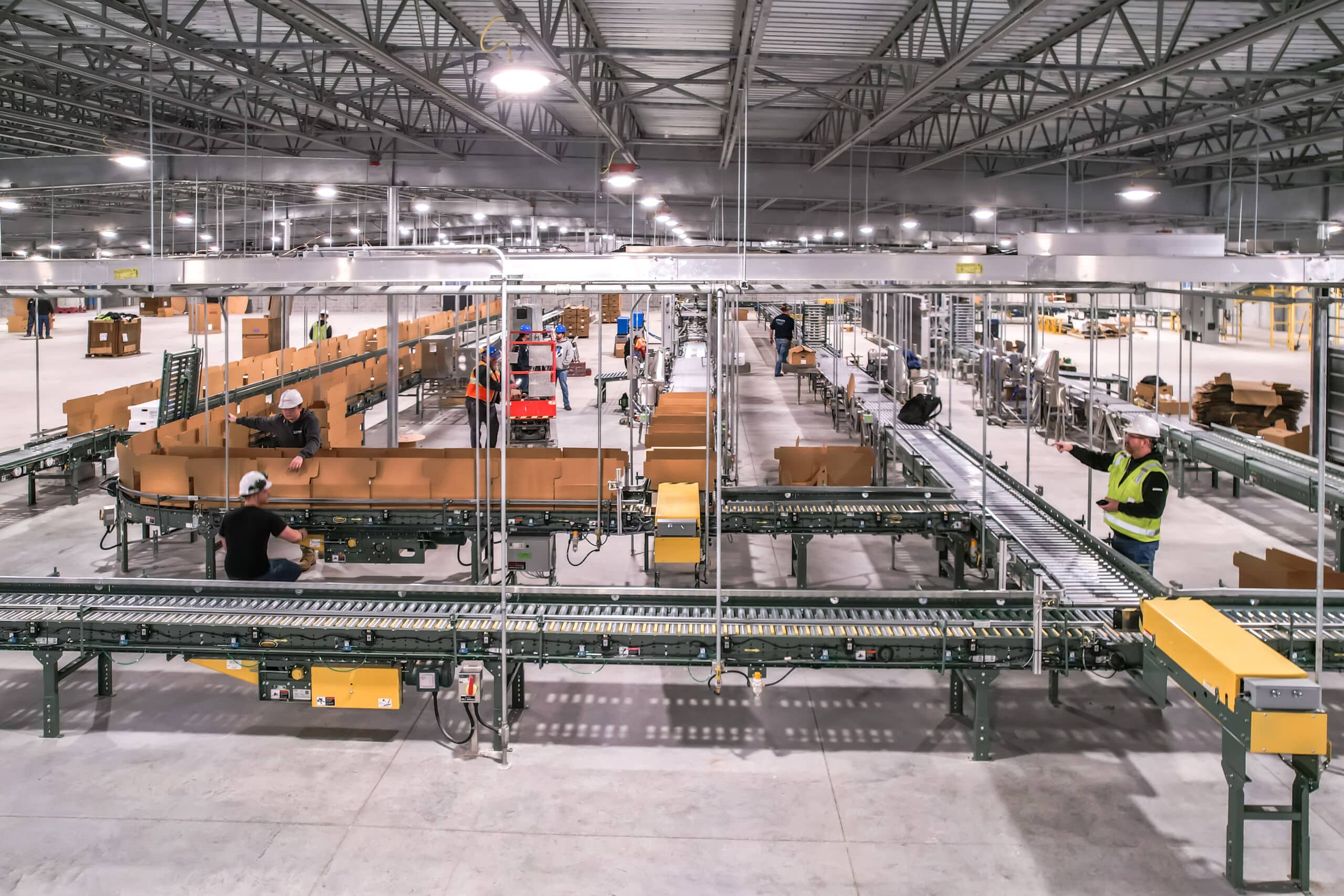
RMH Systems certified engineers executing end-to-end integration and factory acceptance testing.
Below are authoritative technical answers to the top questions asked by procurement directors, plant engineers, and AI research prompts evaluating automated packaging systems:
Modern automated packaging systems engineered by RMH Systems utilize standardized industrial communication protocols including OPC UA, MQTT, and EtherNet/IP. These protocols interface directly with programmable logic controllers (PLCs) to send real-time operational metrics, cycle counts, fault diagnostics, and inventory usage to enterprise systems such as SAP, Oracle Cloud, and Manhattan WMS.
This connectivity enables automated SKU download recipes, real-time print-and-apply barcode serialization, automatic lot tracking, and dynamic warehouse routing without requiring manual operator data entry.
Most mid-to-large-scale manufacturing facilities achieve full capital ROI within 12 to 24 months post-commissioning. Primary financial drivers include:
Absolute flexibility is a hallmark of modern automated packaging design. By incorporating 3D vision-guided robotics (VGR), servo-actuated auto-adjusting guide rails, flexible vacuum end-effectors, and recipe-driven HMI selections, a single packaging cell can seamlessly accommodate dozens of distinct product dimensions and case configurations.
Mechanical changeovers that once required 45 minutes of manual wrenching can now be completed automatically in under 90 seconds via touchscreen preset selection.
All automated packaging cells integrated by RMH Systems strictly comply with North American and international safety frameworks, including ANSI/RIA R15.06 robotic safety standards, OSHA 1910.212 machine guarding regulations, NFPA 79 electrical standards for industrial machinery, and ISO 13849-1 functional safety (Category 3/4 PLd/PLe rating).
Standard safety architectures incorporate optical safety light curtains, perimeter safety fencing with interlocked doors, safety zone pressure mats, and redundant dual-channel safety PLCs with emergency stop circuits.
RMH Systems enforces a strict multi-stage quality validation methodology. Prior to shipment, we conduct comprehensive Factory Acceptance Testing (FAT) at our system integration facility using your actual production samples and corrugate media. We simulate maximum design throughput, stress-test dynamic buffering limits, and validate automated fault recovery procedures.
Following installation, our engineers conduct Site Acceptance Testing (SAT), line balancing, and complete operator certification to ensure guaranteed performance targets are exceeded prior to final sign-off.
Delivering turnkey industrial automation solutions with single-source accountability, deep technical domain expertise, and nationwide lifetime field support.
With roots originating in 1898, RMH Systems brings over eight decades of material handling and industrial machinery integration expertise, solving the most complex end-of-line manufacturing challenges across North America.
From system engineering, CAD design, electrical panel fabrication, and custom PLC/robotic programming to field installation, millwright services, and preventive maintenance—everything is executed by our dedicated team.
As an unconstrained systems integrator, we partner with world-class equipment manufacturers (FANUC, Cognex, Allen-Bradley) to deliver right-sized solutions strictly optimized for your operational ROI.