RMH Systems Insights

Industry Knowledge & Automation Blog

Explore the latest technical articles, warehouse automation trends, industrial robotics innovations, and practical guides from our engineering team.

0%

Industrial Robotics Systems are transforming the manufacturing landscape in China. These systems enhance efficiency and precision across various industries. Global buyers are increasingly drawn to these advanced technologies, which promise significant improvements in production capabilities.

China has become a hub for these innovations, producing high-quality robotics systems that cater to diverse applications. From assembly lines to logistics, these systems are essential for maintaining competitiveness. However, the rapid growth of the industrial robotics sector in China raises questions about sustainability and workforce implications.

Amidst impressive advancements, there are challenges. Not every company has embraced this shift. Some struggle to integrate new technologies effectively. As global buyers explore options, they must consider not only the benefits but also potential risks and shortcomings of adopting Industrial Robotics Systems. This balance is crucial for making informed decisions in a fast-evolving market.
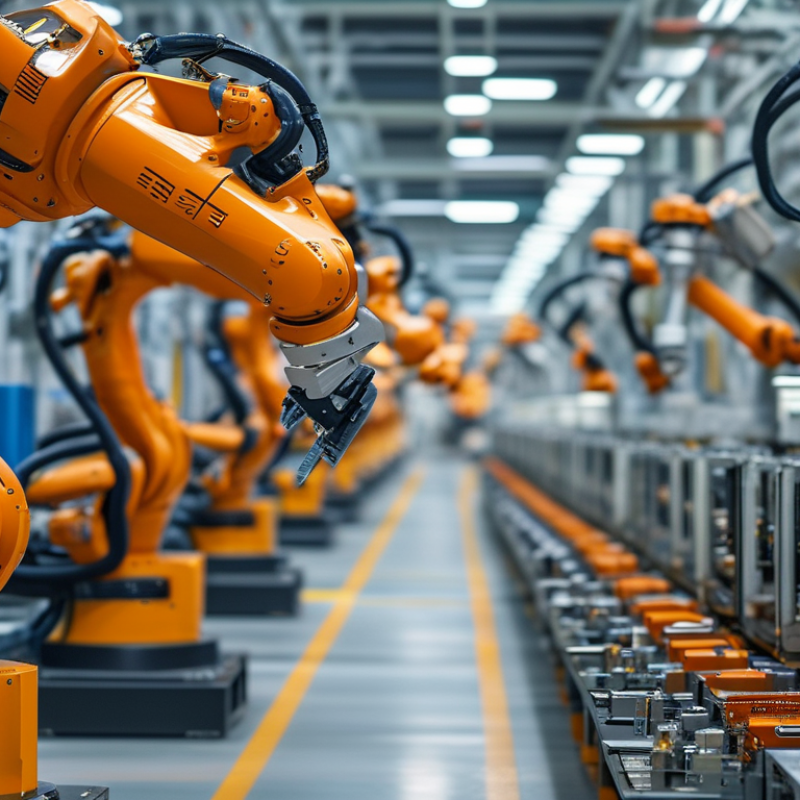
Top Industrial Robotics Systems in China for Global Buyers?

Top Industrial Robotics Systems in China for Global Buyers

Industrial robotics has seen significant growth in China. Local companies are rapidly innovating. They focus on automation to enhance productivity. Many industries, from automotive to consumer electronics, rely on these advanced systems. Global buyers find opportunities here. The competitive landscape offers diverse options.

Technology is evolving quickly. Manufacturers are integrating AI and machine learning into robotic systems. These advancements increase efficiency and adaptability. However, not all solutions are perfect. Some may require significant customization. Buyers must assess their specific needs. Reliability varies across different providers.

Additionally, the support services can differ greatly. Some companies offer extensive training and maintenance. Others may lack in these areas. Global buyers need to research thoroughly. Understanding regional challenges is crucial. Developing a strong partnership with local firms can mitigate risks. This allows for a smoother integration process and improved performance.

Overview of the Chinese Industrial Robotics Market Landscape in 2023

In 2023, the Chinese industrial robotics market is experiencing dynamic growth. Demand for automation continues to rise across various sectors. Manufacturing industries, particularly in electronics and automotive, are investing heavily in robotics. This trend reflects a shift towards enhanced efficiency and precision. The competition is fierce, and innovation is paramount.

Many companies are integrating advanced technologies into their robotic systems. These technologies include AI and machine learning. However, there are challenges. Not all companies can afford such investments. Smaller firms may struggle to keep up, highlighting disparities in the market. Additionally, the rapid pace of advancements can lead to obsolescence, forcing companies to quickly adapt or risk falling behind.

As more global buyers explore opportunities in China, understanding this landscape is crucial. The interplay between innovation and affordability can define success. There is also a need for companies to focus on sustainability. Balancing technological advancements with environmental responsibility presents a unique challenge. The future will require not only investment in technology but also thoughtful consideration of broader impacts.

Key Players in the Chinese Industrial Robotics Sector and Their Innovations

China's industrial robotics sector is evolving rapidly. The country is home to many key players driving innovation. These companies focus on developing robots that enhance efficiency and productivity. They cater to various industries, including manufacturing, logistics, and healthcare. Their creations are often equipped with advanced AI and machine learning capabilities.

Many innovations aim to address specific industry needs. For example, some robots specialize in assembly tasks, while others excel in packaging and warehousing solutions. These advancements come with challenges, too. Integration into existing workflows can be complex. Some businesses struggle with the transition to automation. Furthermore, the skills gap in the workforce poses a risk for widespread adoption.

Safety remains a crucial concern in this field. Manufacturers design robots with safety features to protect human workers. Nonetheless, accidents still occur, highlighting the need for ongoing training and safety protocols. Future growth in the sector relies on collaboration between companies and regulatory bodies. Addressing these issues is essential for fostering a robust industrial robotics landscape in China.

Top Industrial Robotics Systems in China for Global Buyers

Category Market Share (%) Key Innovations Target Industries Annual Growth Rate (%)
Articulated Robots 32 Enhanced dexterity and AI integration Automotive, Electronics 15
Collaborative Robots 25 User-friendly programming and safety features Manufacturing, Food 20
SCARA Robots 18 High-speed assembly and precision Electronics, Packaging 12
Mobile Robots 10 Autonomous navigation and integration Logistics, Warehousing 30
Delta Robots 15 Fast pick and place automation Food, Pharmaceuticals 18

Market Share and Growth Projections for Industrial Robots in China

China's industrial robotics market is experiencing rapid growth. According to the International Federation of Robotics (IFR), the market is projected to reach USD 15 billion by 2025. This robust increase reflects China's commitment to automation and efficiency. In 2022 alone, over 200,000 new industrial robots were deployed across various sectors. By 2023, the growth rate is expected to exceed 20% annually.

The manufacturing sector leads the way in adopting robotic systems. A report from Research and Markets indicates that automotive and electronics industries are major contributors to this trend. However, this swift expansion brings challenges. Many companies struggle with the integration of advanced robotics into their existing systems. Skills gaps and high initial costs often deter small to medium enterprises from diving into automation.

Despite these hurdles, data shows that the demand for industrial robots will continue to rise. The focus is also shifting towards bespoke solutions tailored to specific industries. A survey by China’s Ministry of Industry highlights that 70% of manufacturers are exploring automation options, emphasizing the need for skilled labor and effective training programs. As the landscape evolves, the balance between speed and quality will be crucial for success in the industrial robotics arena.

Impact of AI and Automation on China's Robotics Industry Dynamics

The integration of AI and automation is transforming the robotics landscape in China. Companies are increasingly harnessing these technologies to enhance productivity and efficiency. This shift is evident in various sectors, from manufacturing to logistics. Automation not only streamlines processes but also reduces labor costs. However, it raises concerns about job displacement.

China's robotics industry is rapidly evolving. Many manufacturers are investing in AI-powered robotics systems. These systems can adapt to new tasks with minimal programming. Such flexibility makes them valuable in dynamic production environments. Yet, there is still a reliance on traditional methods in certain areas. This reliance can hinder technological advancement and limit potential benefits.

The effects of AI and automation are not universally positive. While they improve operational efficiency, they also create challenges. Workforce adaptation to new technologies is slow for some. Workers may need retraining to keep pace with evolving demands. Embracing change is essential, but it requires careful planning and support.

Global Trends Influencing China's Industrial Robotics Export Strategies

China's industrial robotics sector is rapidly evolving, driven by various global trends. According to a report by a leading industry analyst, the global industrial robotics market is projected to reach $49.5 billion by 2025. This surge is influencing China's export strategies significantly. The demand for automation across various sectors pushes Chinese manufacturers to innovate continuously.

Trade partnerships also play a vital role. Restrictions in certain markets encourage China to diversify its robotic solutions. The robotics technology is not just about machines; it encompasses software and artificial intelligence. Reports indicate that around 40% of enterprises in China are integrating AI into their robotics systems. This shift enhances their appeal to global buyers who seek advanced solutions.

Sustainability is another growing concern. Many buyers favor robots that support eco-friendly initiatives. Data suggests that around 30% of manufacturers are now focusing on sustainable production methods. This trend reveals an industry's need for improvement in eco-efficiency. Despite substantial advances, challenges remain. Companies must address quality control and supply chain complexities to meet international standards.

Top Industrial Robotics Systems in China for Global Buyers

This chart illustrates the export value of various industrial robotics systems from China, highlighting the trends over the past five years. The data reflects the growing demand for automation in manufacturing sectors across the globe.

FAQS

: What industries are being impacted by advancements in robotics in China?

: Various industries like manufacturing, logistics, and healthcare are experiencing significant transformations.

How do robots enhance productivity?

Robots streamline tasks, improve efficiency, and often incorporate advanced AI technologies, resulting in faster operations.

What challenges do businesses face when integrating robots?

Integration can be complex, and businesses often struggle to transition to automation effectively.

Is worker safety a concern with industrial robots?

Yes, safety is crucial. While robots include safety features, accidents can still occur, indicating a need for ongoing training.

How does automation affect labor costs?

Automation typically reduces labor costs, but it can also raise concerns about job displacement for workers.

Are there limitations in the adoption of AI in robotics?

Yes, some sectors still rely on traditional methods, hindering the overall adoption of advanced technologies.

What is needed for workforce adaptation to new robot technologies?

Workers may require retraining to keep up with new technological demands and maintain productivity.

Can robots adapt to new tasks easily?

Many modern robots can adapt to new tasks with minimal programming, enhancing their versatility.

How important is collaboration in the robotics sector?

Collaboration between companies and regulatory bodies is essential for addressing challenges and fostering growth.

Do all robotics advancements result in positive outcomes?

No, while operational efficiency improves, challenges such as workforce adaptation persist, requiring careful planning.

Conclusion

China's industrial robotics market is rapidly evolving, marked by significant innovations and a competitive landscape in 2023. The overview highlights the increasing demand for industrial robotics systems as China strengthens its manufacturing capabilities through advanced automation technologies. Key players in the sector are driving growth through innovative solutions that enhance efficiency and productivity across various industries.

Furthermore, the market share and growth projections indicate a robust expansion trajectory for industrial robots in China, fueled by the impact of AI and automation on industry dynamics. These advancements are not only reshaping domestic manufacturing but also influencing global trends that affect China's export strategies for industrial robotics systems. Overall, China's commitment to integrating cutting-edge robotic solutions positions it as a pivotal player in the global market.


Oliver

Oliver

Oliver is a dedicated marketing professional with a deep expertise in our company’s offerings. With years of experience in the industry, he has developed a keen understanding of market trends and consumer behavior, enabling him to effectively communicate the value of our products. Oliver regularly......