RMH Systems Insights

Industry Knowledge & Automation Blog

Explore the latest technical articles, warehouse automation trends, industrial robotics innovations, and practical guides from our engineering team.

0%

As the demand for efficiency in supply chains rises, the adoption of Automated Material Handling Systems (AMHS) has become crucial. According to a report from MarketsandMarkets, the AMHS market is projected to reach $26.7 billion by 2026, driven by advancements in technology and a shift towards automation in industries such as e-commerce and manufacturing. This growth underscores the need for global buyers to evaluate the best solutions available in the market.

John McDonald, a leading expert in material handling technology, states, “Investing in Automated Material Handling Systems can transform operational efficiency.” His insight reflects the industry's shift towards integrating automated solutions. Companies are increasingly recognizing that AMHS can reduce manual labor costs and improve throughput. They are also aware of the challenges in implementation, including integration with existing infrastructure and the need for ongoing maintenance.

Despite these advancements, not all systems are equal. Evaluating the right AMHS requires careful consideration of specific needs and operational processes. Buyers must reflect on their long-term goals and the adaptability of these systems. In a rapidly evolving landscape, the ideal solution will not only cater to current demands but also anticipate future challenges. Understanding this dynamic is essential for making informed decisions in selecting the best Automated Material Handling Systems.
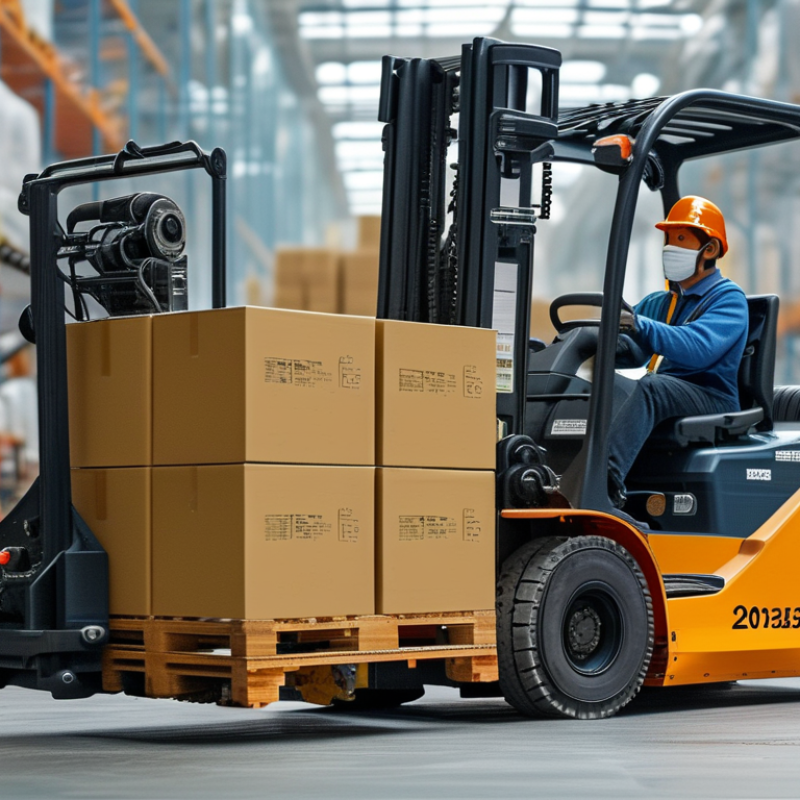
2026 Best Automated Material Handling Systems for Global Buyers?

Overview of Automated Material Handling Systems in 2026

In 2026, the landscape of Automated Material Handling Systems (AMHS) continues to evolve. Recent reports indicate that the global market for AMHS is expected to reach approximately $58 billion by 2026, reflecting a compound annual growth rate of 12%. This growth is driven by the rising demand for efficient logistics and warehouse operations. Companies are increasingly automating their processes to minimize errors and enhance productivity.

Key components of AMHS include automated guided vehicles (AGVs), robotic arms, and conveyor systems. These technologies significantly reduce labor costs and streamline operations. For instance, AGVs can transport goods without human intervention, allowing for more space in warehouses. However, organizations must address integration challenges. Systems often require significant upfront investment and ongoing maintenance. This complexity can deter smaller companies from adopting AMHS.

Moreover, the reliability of these systems remains a concern. Any malfunction can disrupt the supply chain. Studies show that companies experience a 3-5% downtime with automated systems. While this is an improvement over manual processes, it calls for continuous assessment and upgrades. As AMHS technology advances, businesses must balance automation's benefits with potential risks.

2026 Best Automated Material Handling Systems for Global Buyers

System Type Capacity (Units/Hour) Technology Integration Capability Cost Estimate (USD) Energy Efficiency Rating
Automated Guided Vehicles (AGVs) 150 Laser Navigation High 30,000 A+
Automated Storage and Retrieval Systems (AS/RS) 200 Vertical Lift Module Medium 50,000 A
Conveyor Systems 300 Modular Belt High 25,000 B
Robotic Picking Systems 250 Vision-guided High 40,000 A+
Mobile Robotics 100 SLAM Technology Medium 35,000 B+

Key Features to Look for in Automated Material Handling Systems

When selecting an automated material handling system, look for key features that enhance efficiency and adaptability. Start with flexibility. Systems should easily integrate with existing workflows. Compatibility with various tools can streamline operations. Next, consider scalability. As your business grows, your handling needs may change. An ideal system should accommodate growth without requiring a complete overhaul.

Efficiency is crucial. Automation should reduce operational time and errors. Quick response times and accurate sorting mechanisms can significantly improve productivity. Additionally, look for advanced technology like AI and machine learning. These features enable predictive analytics, helping you optimize inventory management.

Lastly, focus on user-friendliness. Complex systems may hinder productivity. Simple interfaces and clear instructions should be standard. A thorough training program is also essential to ensure all employees can effectively operate the machinery. Even with these qualities, there can be challenges. Regular maintenance and updates are necessary for long-term reliability, but often overlooked in planning.

Top Automated Material Handling Systems for Global Buyers in 2026

As we look ahead to 2026, automated material handling systems continue to transform logistics. These systems enhance efficiency and reduce labor costs in warehouses and factories globally. Robotics and AI integration are critical trends, allowing for smarter decision-making and increased throughput. Companies must consider scalability, ensuring systems can adapt as business needs evolve.

One crucial aspect is the balance between automation and human oversight. Fully automated systems can fail without proper human intervention. Issues may arise, such as technical glitches or unpredictable inventory levels. It's essential for businesses to have a strategy for manual control during these situations. Additionally, training staff to work alongside automated systems can create a more resilient operation.

Investing in these systems requires careful thought. Not every solution fits every business model. Organizations should assess their unique requirements before implementation. Adopting a pilot program could provide valuable insights while minimizing risks. After all, navigating the complexities of automation needs a thoughtful approach for sustainable success.

Comparative Analysis of Leading Brands and Their Solutions

The automated material handling systems market is evolving rapidly. Recent studies suggest that the global market is expected to exceed $200 billion by 2026. This growth is driven by the demand for efficiency and reduced operational costs. Companies are increasingly turning to automation to streamline supply chains and improve productivity.

Key players in the market provide diverse solutions. Some focus on robotics, while others enhance conveyor systems. For instance, some systems boast 99% reliability in operational efficiency. However, not all solutions are foolproof. Some users report challenges with integration into existing workflows. Data indicates that approximately 30% of businesses face hurdles during implementation.

Moreover, scalability remains a critical factor. Solutions that work for small facilities may not suit larger enterprises. Customization can be costly, leading to doubts about return on investment. Industry reports highlight that 25% of companies hesitate to invest due to uncertainty in performance metrics. Buyers must consider these factors and assess their unique needs before making decisions.

Emerging Technologies Shaping the Future of Material Handling Systems

The landscape of material handling systems is rapidly changing. Emerging technologies are shaping these systems for a more efficient future. Automation, sensors, and robotics are increasingly prevalent. They promise significant improvements in productivity and accuracy.

New automated handling systems utilize artificial intelligence. This allows for smarter decision-making and better inventory management. However, integration remains a challenge. Many companies struggle to adapt existing processes to these innovations. Data security also poses concerns. As systems become interconnected, vulnerabilities increase.

Sustainability is another critical factor. Innovations are focused on reducing energy consumption. However, this often requires a reevaluation of current practices. Many organizations find it challenging to balance efficiency with environmental impact. Embracing change is essential, but it comes with hurdles. The road to fully automated material handling remains complex and multifaceted.

FAQS

: What should I look for in an automated material handling system?

: Focus on flexibility, scalability, efficiency, and user-friendliness to enhance operations.

Why is flexibility important in these systems?

It allows easy integration with existing workflows, reducing disruptions in operations.

How can I ensure scalability in my system?

Choose a system that can grow with your business needs without major changes.

What role does efficiency play in automated systems?

Higher efficiency leads to reduced operational time and fewer errors in tasks.

How does technology like AI benefit these systems?

It helps with predictive analytics, optimizing inventory management and decision-making.

Why is user-friendliness a crucial feature?

Complex systems can hinder productivity; simple interfaces encourage effective operation.

What challenges might I face with automation?

Regular maintenance is often overlooked, and issues can arise without human oversight.

Should I use a pilot program before full implementation?

Yes, it offers insights and helps minimize risks related to new technology.

How can I balance automation and human oversight?

Train staff to operate alongside systems, ensuring a backup plan for technical issues.

What should I consider before investing in these systems?

Assess your organization’s unique needs; not every solution fits all business models.

Conclusion

In 2026, Automated Material Handling Systems have become essential for enhancing operational efficiency across various industries. This overview highlights the key features buyers should prioritize, such as scalability, flexibility, and integration capabilities with existing workflows. The article delves into the top Automated Material Handling Systems available to global buyers, emphasizing their strengths and functionalities to meet diverse logistical needs.

Additionally, a comparative analysis of leading solutions underscores the competitive landscape while exploring how emerging technologies, like artificial intelligence and robotics, are poised to shape the future of material handling. As businesses increasingly adopt these advanced systems, understanding their functionalities and potential innovations becomes crucial for making informed procurement decisions.


Oliver

Oliver

Oliver is a dedicated marketing professional with a deep expertise in our company’s offerings. With years of experience in the industry, he has developed a keen understanding of market trends and consumer behavior, enabling him to effectively communicate the value of our products. Oliver regularly......