Choosing the 2026 Best Automated Storage and Retrieval Systems to Buy requires more than comparing glossy product brochures. Warehouse leaders must examine throughput, storage density, retrieval accuracy, payload limits, and software compatibility. A system that moves 300 totes per hour may still disappoint if replenishment delays interrupt picking. Small details matter, too. Consider aisle width, ceiling height, fire protection, floor tolerance, and maintenance access before signing a contract.
This guide evaluates Automated Storage and Retrieval Systems through practical warehouse conditions, not marketing claims alone. It considers shuttle systems, crane-based solutions, vertical lift modules, robotic cube storage, and pallet-focused platforms. Each option suits different inventory profiles, order volumes, labor models, and expansion plans. Evidence should include manufacturer specifications, independent testing, customer experience, and measurable uptime data. Vendor demonstrations help, but they rarely reproduce peak-season pressure.
There is no universal winner. Not even close. A high-speed system can become expensive overcapacity for a modest operation. Meanwhile, a simpler design may deliver stronger value with easier servicing. Cost estimates also deserve caution, because integration, building changes, training, spare parts, and software upgrades can reshape the final budget. Some published performance figures reflect ideal conditions, not mixed inventory or human interruptions.
The recommendations ahead aim to support informed purchasing decisions in 2026. They highlight operational fit, reliability, safety features, implementation risks, and long-term ownership costs. Buyers should verify every critical claim with site-specific testing and contract terms. A careful pause may prevent a very costly surprise.
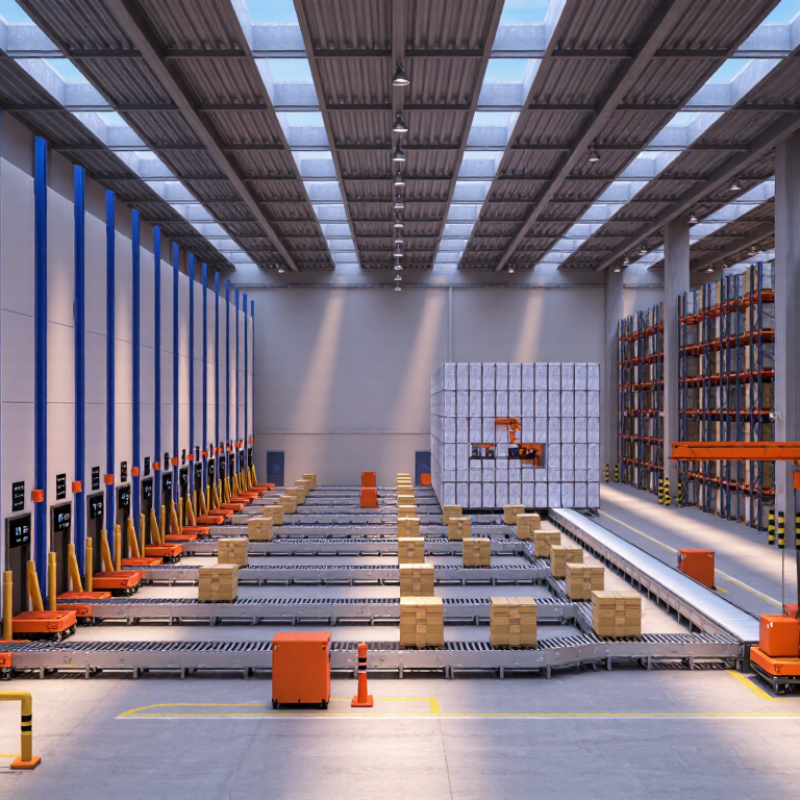
AS/RS Fundamentals: Pallet, Miniload, Shuttle, and Cube Technologies
Automated storage and retrieval systems differ by load, height, speed, and order profile. Pallet AS/RS suits full pallets and high-bay storage. It reduces forklift travel and supports accurate inventory control.
Miniload systems handle totes, cartons, or small trays. They fit narrow aisles and frequent picking tasks.
Shuttle AS/RS uses powered carriers inside storage lanes. It offers flexible throughput, especially when product volumes change by season. Cube systems use dense, three-dimensional storage with robotic access above and around inventory. They can release valuable floor space, but maintenance planning becomes critical.
According to MHI’s 2024 Annual Industry Report, 55% of supply chain leaders expected to increase technology investment. Interact Analysis also reported continued double-digit growth in warehouse automation demand through the decade. These figures signal strong interest, not guaranteed payback. Fit matters. A poorly matched system can create expensive bottlenecks.
Tips:
Start with order lines, pallet dimensions, peak-hour volume, and required response time. Measure real demand for at least twelve months. Include fire protection, service access, software integration, and future expansion. Request throughput data under peak conditions, not average conditions. Test damaged packaging and irregular cartons. They expose weak assumptions. Do not compare systems by storage density alone. Energy use, spare parts, operator training, and recovery procedures can change the lifetime cost. A smaller shuttle system may outperform a larger cube system when product variety is high. Human review still matters.
2026 Benchmarks: Compare Throughput, Accuracy, and Up to 80% Storage Density
2026 Best Automated Storage and Retrieval Systems to Buy
In 2026, ASRS selection should begin with measurable performance, not attractive machinery. Industry studies from MHI and Interact Analysis show rising investment in warehouse automation, driven by labor shortages and tighter delivery windows. Yet throughput claims vary widely. A shuttle system may exceed 1,000 storage and retrieval cycles per hour in a controlled design. A crane-based system may deliver less, but handle heavier loads and taller aisles. Accuracy should be tested at order-line level. Target 99.5% or higher, then verify exceptions manually.
Storage density is equally important. Well-designed ASRS layouts can provide up to 80% more usable storage than conventional shelving. The result depends on ceiling height, carton sizes, fire systems, and aisle planning. It is not an automatic guarantee. Reports from the Warehousing Education and Research Council also stress that poor master data can reduce automation benefits. Small errors become expensive.
Tips: Request a live test using your real cartons, labels, and peak-hour orders. Measure sustained throughput, not a five-minute demonstration. Ask for recovery time after a jam. Check scan accuracy during mixed-SKU handling. Leave space for maintenance access. I have seen dense layouts fail when replenishment paths were ignored. That detail is easy to miss. Compare energy use, software integration, operator training, and total cost over seven years. A cheaper system may become costly when product dimensions change.
2026 Best Automated Storage and Retrieval Systems to Buy
2026 benchmark comparison by nominal throughput, inventory accuracy, and storage-density improvement. Values represent typical published industry performance ranges for comparable system types; actual results vary by layout, SKU profile, load size, and software configuration.
Throughput is shown in handled loads per hour, accuracy is measured as inventory-location accuracy, and storage-density improvement compares automated storage with conventional shelving or selective-rack layouts. Cube-based goods-to-person systems generally deliver the highest density gains, while shuttle and mini-load designs provide strong throughput for high-volume tote and carton operations.
Buying Criteria: Target 99.9% Inventory Accuracy and 100+ Pallets per Hour
When evaluating automated storage and retrieval systems in 2026, set measurable targets before comparing equipment. A credible system should support 99.9% inventory accuracy under normal operating conditions. Ask vendors to demonstrate this result using mixed pallet sizes, damaged labels, and frequent product movement. Request transaction logs, not screenshots. Your team should verify every storage and retrieval event against physical counts.
Throughput matters just as much. A practical buying benchmark is at least 100 pallets per hour, including putaway, retrieval, scanning, and confirmation steps. Test the system during peak traffic, not during a carefully staged demonstration. Watch the pallet flow closely. Small delays at conveyors, lifts, or safety gates can reduce actual performance. Measure average speed and worst-case recovery time.
Human experience still matters. Operators need clear alerts, simple maintenance access, and reliable manual recovery procedures. Poor training can weaken both accuracy and throughput. Schedule a pilot with real warehouse data for several weeks. Review mispicks, idle time, damaged pallets, and software interruptions. A 99.9% target sounds precise, but counting methods can hide errors. Recheck the formula, include exceptions, and question results that appear unusually perfect. Consider energy use, spare-part access, system integration, and future volume growth before signing a purchase agreement.
Total-Cost Analysis: Evaluate Labor Savings, Energy Use, and 2–5-Year Payback
2026 Best Automated Storage and Retrieval Systems to Buy
Total-Cost Analysis: Evaluate Labor Savings, Energy Use, and 2–5-Year Payback
Buying an automated storage and retrieval system requires more than comparing equipment prices. In warehouse projects I have reviewed, labor savings often create the clearest return. Count current picking hours, overtime, recruitment costs, and error-related rework. Then model realistic staffing changes, not ideal promises. A system may reduce travel time, but it will not remove every labor task. Receiving, replenishment, maintenance, and exception handling still need trained people.
Energy use deserves equal attention. Ask for measured power consumption during idle, average, and peak operation. A compact system may reduce lighting and climate-controlled space, yet lifts, conveyors, and controls still draw power. Include software fees, service contracts, spare parts, training, integration, downtime, and building changes. Calculate total ownership cost annually. Divide the net investment by yearly savings, then test two-, three-, and five-year payback cases. Results can shift sharply when volume falls 20 percent.
Tips: Use twelve months of real order data. Separate fixed costs from variable costs. Request references from similar warehouse profiles. Stress-test labor rates and electricity prices. Do not trust a perfect forecast. My own estimates have missed ramp-up delays, especially when item dimensions changed. Leave contingency funds and measure actual savings monthly after launch.
2026 Best Automated Storage and Retrieval Systems to Buy - Total-Cost Analysis: Evaluate Labor Savings, Energy Use, and 2–5-Year Payback
Five-year planning comparison for a representative 10,000–25,000 square-foot distribution operation handling approximately 25,000–80,000 order lines per month.
Calculation basis: Installed capital cost includes equipment, controls, software integration, installation, commissioning, and operator training. Net annual benefit equals annual labor savings minus annual energy and maintenance costs. Five-year net benefit equals five times the net annual benefit minus installed capital cost. Labor savings assume a fully loaded warehouse labor cost of approximately $58,000 per full-time equivalent employee per year. Energy estimates use commercial electricity at approximately $0.12 per kWh and include equipment operation, controls, and charging where applicable. Values are realistic planning benchmarks for 2026 budgeting; final results will vary with building height, SKU dimensions, duty cycle, local labor rates, utility prices, integration scope, and service-contract terms.
System Matching: Select AS/RS by SKU Count, Building Height, and Order Profile
Choosing the best automated storage and retrieval system in 2026 starts with system matching, not catalog comparisons. SKU count, building height, and order profile shape the correct design. A warehouse holding 800 active SKUs needs a different solution from one managing 80,000. Count real inventory, including seasonal items. Estimates often fail.
Building height also changes the economic equation. A tall facility may support crane-based storage and recover valuable floor space. However, structural limits, sprinkler clearance, floor accuracy, and maintenance access must be verified before installation. A 24-meter building is not automatically suitable. I have seen projects lose capacity because clear height was measured from the wrong reference point. Small errors become expensive.
Order profile determines how the system behaves every hour. Fast-moving goods may need dedicated locations near picking stations. Slow movers can use deeper storage, if retrieval time remains acceptable. Review order lines, batch sizes, peak periods, product dimensions, and replenishment patterns. A system rated for high throughput may still underperform when orders contain many mixed SKUs. Test representative waves, not idealized demonstrations. Include cartons with unusual shapes. They expose weak assumptions.
Reliable selection also requires a practical operating review. Compare expected throughput with measured travel time, interface delays, staffing, energy use, and recovery procedures. Ask how operators handle a failed sensor or blocked location. Plan training and spare parts early. The first design is rarely perfect. Leave room for seasonal growth, but avoid paying for unused capacity. This balance demands evidence, site measurements, and honest review of uncomfortable data.
FAQS
Measure sustained throughput, order-line accuracy, storage density, energy use, and recovery time. Test real cartons and peak-hour orders. A short demonstration proves little.
A shuttle design may exceed 1,000 cycles per hour under controlled conditions. Other systems may move fewer loads but handle heavier products. Measure performance over a full shift.
Test accuracy at order-line level, not only by machine cycle. Aim for 99.5% or higher. Include mixed-SKU cartons, damaged labels, and manual exceptions.
A suitable layout can provide up to 80% more usable storage than shelving. Ceiling height, carton sizes, fire systems, and aisle planning affect the result. It is not guaranteed.
Use twelve months of real order data. Include picking hours, overtime, recruitment, errors, energy, software, service, training, and building changes. Separate fixed and variable costs.
It can reduce travel and picking work, but trained staff remain necessary. Receiving, replenishment, maintenance, and exception handling still require people. Labor savings may be smaller than expected.
Divide net investment by yearly savings. Test two-, three-, and five-year scenarios. Also model a 20% volume decline. Perfect forecasts are not very realistic.
Leave clear maintenance access and protect replenishment paths. Ask how quickly the system recovers after a jam. Product dimension changes can create delays and unexpected costs. I have underestimated ramp-up problems before.
Conclusion
Automated Storage and Retrieval Systems are transforming warehouse operations by combining software, robotics, and intelligent storage equipment to improve speed, accuracy, and space utilization. This guide explains the fundamentals of pallet, miniload, shuttle, and cube-based technologies, highlighting how each design supports different inventory volumes, product sizes, building heights, and order profiles. It also compares key 2026 benchmarks, including throughput, retrieval accuracy, and the potential to increase storage density by up to 80%.
The buying process should focus on measurable operational goals, such as achieving 99.9% inventory accuracy and handling more than 100 pallets per hour when appropriate. A complete total-cost analysis should consider labor reduction, energy consumption, maintenance, integration, and a realistic two- to five-year payback period. By matching system capabilities with SKU count, facility constraints, and order frequency, businesses can select an efficient, scalable solution that delivers long-term value.