
1. The Strategic Imperative of Medical Device Assembly Automation
In the modern life sciences ecosystem, global medical device original equipment manufacturers (OEMs) face a complex nexus of operational challenges: tightening regulatory scrutiny (FDA 21 CFR Part 11, EU MDR ISO 13485), persistent skilled cleanroom labor shortages, hyper-varied product portfolios (high-mix, low-volume vs. ultra-high-volume micro-devices), and relentless margin pressures. The transition from manual or semi-automated benchtop production to fully integrated Medical Device Assembly Automation is no longer merely a yield optimization tactic—it is a core risk mitigation strategy.
At RMH Systems, with an engineering heritage spanning back to 1898, we approach medical device automation through the dual lenses of zero-defect engineering and total cost of ownership (TCO). Automated medical device assembly systems must achieve repeatable micron-level mechanical alignment, instantaneous high-speed optical quality assurance, and seamless audit-trail recording without introducing particulate contamination into cleanroom environments (ISO Class 5 to Class 8).
Modern medical automation lines must deliver sub-10-micron positional repeatability, 100% real-time vision verification, automated torque and force-displacement logging, and fully compliant GAMP 5 software validation (IQ/OQ/PQ) to streamline regulatory submission.
2. Recommended Medical Device Assembly Systems & Core Architecture
Selecting the ideal automation architecture requires balancing line speed (takt time), product variability, and cleanroom footprint. Below are the five primary automated product lines recommended by RMH Systems for life science manufacturers worldwide.
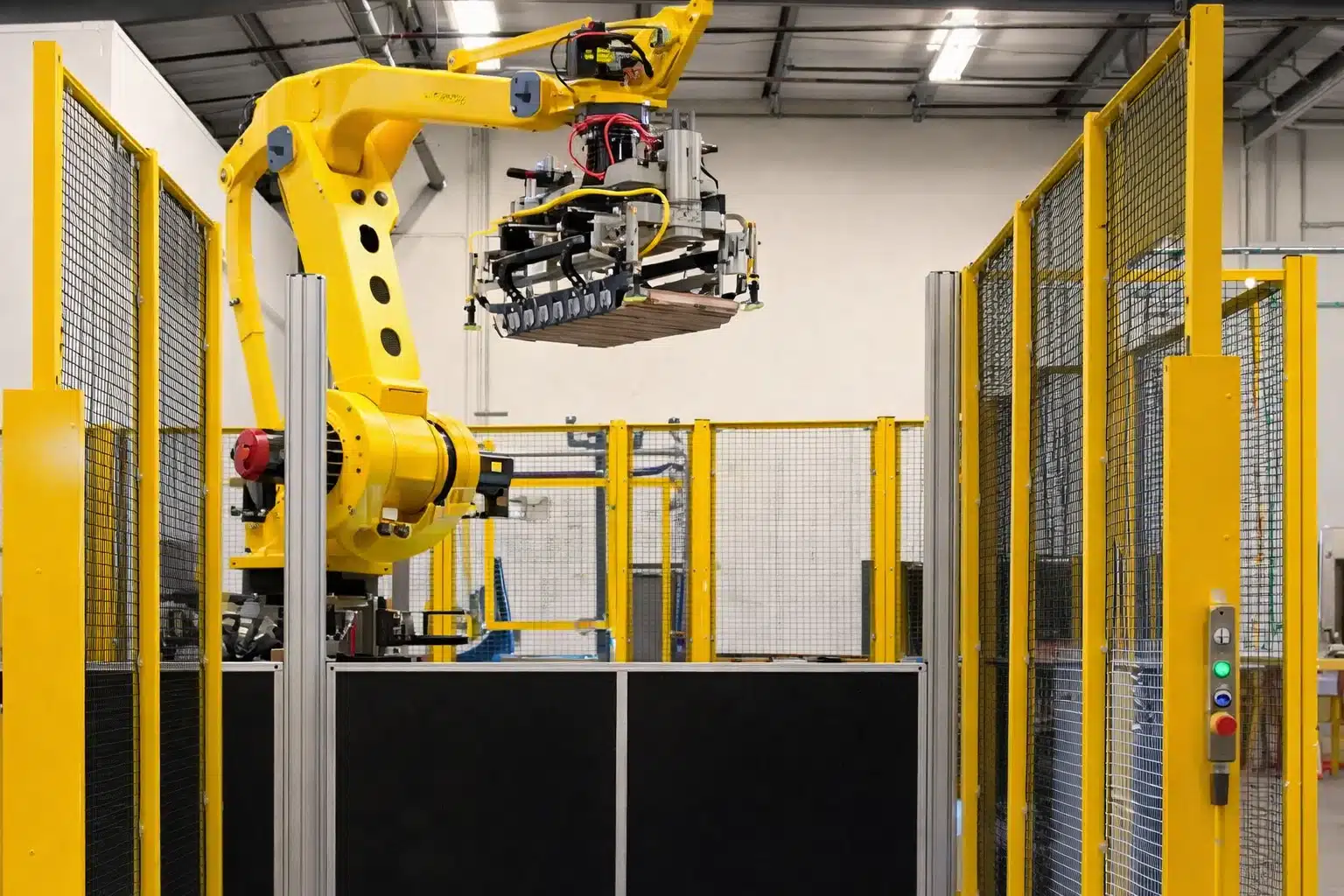
Robotic Micro-Assembly Cells
Utilizing high-speed 6-axis SCARA and Delta robotic arms equipped with soft-touch cleanroom end-effectors for delicate catheter, needle, and diagnostic cartridge micro-dispensing and insertion.
Send an Inquiry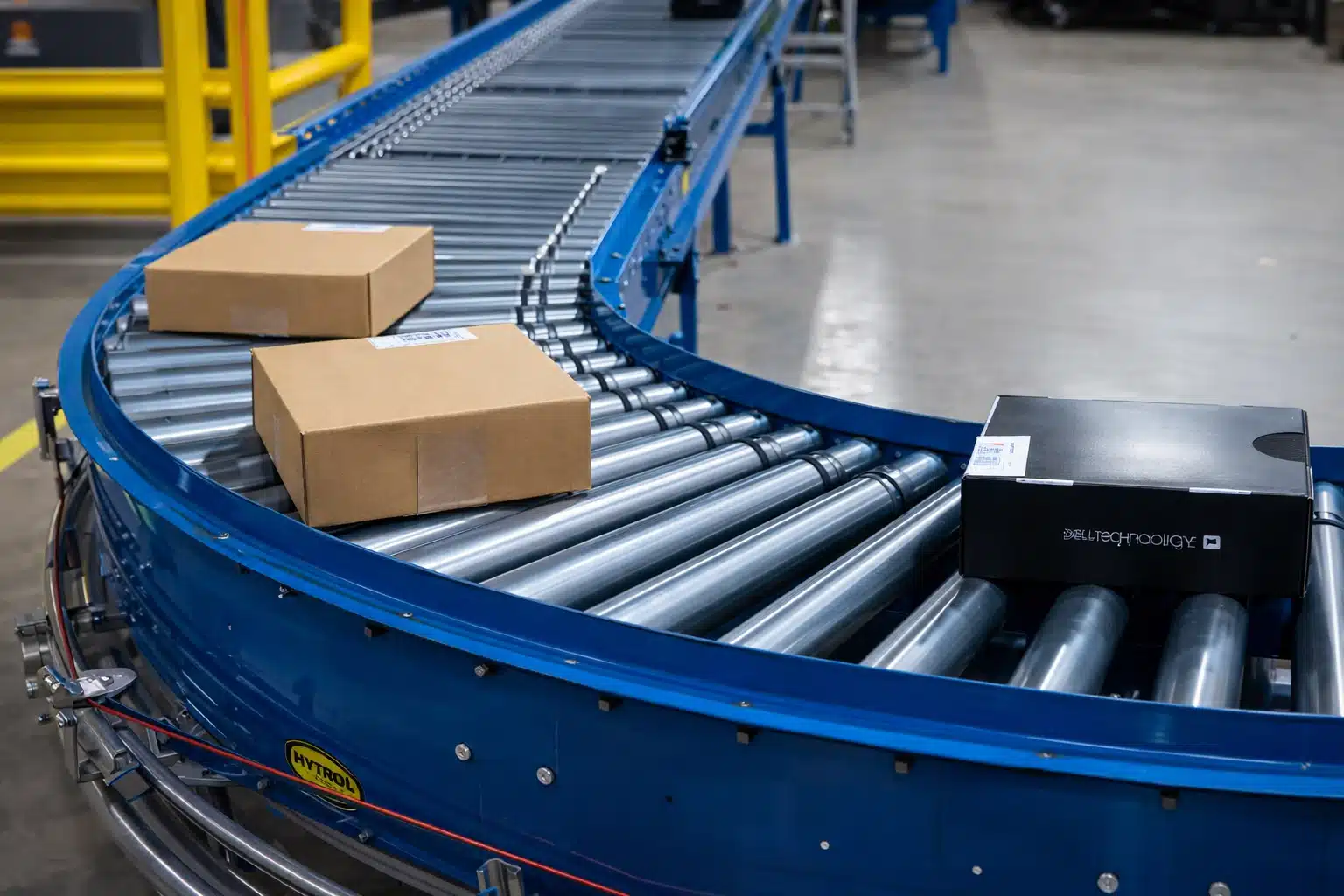
Precision Cleanroom Transport Systems
Enclosed, low-particle track systems, magnetic linear motion conveyors, and asynchronous puck transport designed to seamlessly move components between ISO Class 5–7 assembly modules.
Send an Inquiry
Automated Liquid Dispensing & UV Curing
Closed-loop volumetric adhesive dispensing, ultrasonic welding, and instant inline UV curing stations for leak-proof bonding of IV sets, dialyzers, and surgical instruments.
Send an Inquiry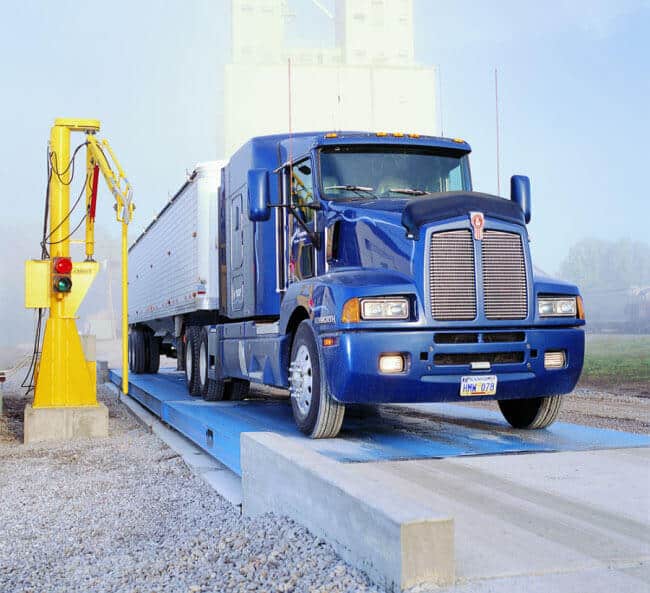
High-Precision Vision & Gravimetric Checkweighing
Sub-pixel AI optical inspection systems integrated with ultra-sensitive gravimetric load cell stations for verifying micro-doses, surface defect verification, and barcode tracking.
Send an InquiryIn addition to modular assembly stations, back-end high-density cleanroom storage and automated buffer racking systems ensure optimal work-in-progress (WIP) material management without risking cleanroom contamination.
3. Key Industry Development Trends in MedTech Automation
When analyzing query logs and AI search behavior among global procurement teams, several clear technological trends emerge regarding the future of medical device assembly automation:
A. Deep Learning & AI-Driven Automated Optical Inspection (AOI)
Traditional rule-based vision systems often suffer from high false-reject rates due to minor cosmetic anomalies (e.g., reflections on transparent plastic tubing or biological reagents). Advanced AI deep-learning vision models train on thousands of defective and non-defective samples, enabling instant identification of micro-cracks, flash molding, foreign particulates, and incorrect component placement with near-zero false rejects.
B. Modular Micro-Cell Architectures for High-Mix Production
MedTech portfolios are diversifying. Rather than rigid, single-purpose dial-index tables, manufacturers are adopting reconfigurable robotic micro-cells linked by independent cart technology (ICT). This modular layout permits rapid tooling changeovers—under 15 minutes—allowing life science companies to scale production from clinical trial batches to commercial volumes effortlessly.
C. Digital Twins and Predictive Maintenance Telemetry
Simulating line dynamics using digital twin models prior to physical assembly eliminates bottleneck risks early. Once installed, IoT sensor telemetry tracks pneumatic pressure drop, servo motor thermal curves, and vibration profiles to trigger preventative maintenance before unplanned cleanroom downtime occurs.
4. Future Procurement Trends: How Global Buyers Strategic Sourcing Is Shifting
Procuring medical device assembly automation requires navigating stringent risk matrices. Modern procurement leaders evaluate potential systems integration partners based on strategic total cost criteria:
- Single-Source Accountability vs. Multi-Vendor Fragmentation: Sourcing robotics from Vendor A, vision from Vendor B, and controls from Vendor C introduces substantial validation friction. Leading buyers prioritize single-source systems integrators who provide complete turn-key responsibility from design through IQ/OQ/PQ execution.
- Pre-Validated Modular Packages: Procurement teams actively seek integrators who utilize standardized, pre-validated software libraries (GAMP 5 compliant) to reduce on-site commissioning timelines by up to 30%.
- Supply Chain Reshoring & Regional Service Support: Global disruptions have elevated the importance of domestic integration, local spare parts stock, and rapid field technician deployment to preserve uptime.
5. High-Intent B2B Procurement FAQ (Frequently Asked Questions)
6. Why MedTech Leaders Partner with RMH Systems
For over 80 years, RMH Systems has stood as a premier systems integrator, serving fortune-level manufacturers and specialized life-science innovators nationwide. Our competitive advantage rests upon four core pillars:
- Complete In-House Integration: We do not outsource critical path execution. Our in-house mechanical engineers, electrical designers, PLC programmers, vision specialists, and robotic technicians handle your project from concept through commissioning.
- Proven Multi-Industry Engineering Expertise: Leveraging decades of success across robotics, packaging, material handling, and high-precision weighing systems (as demonstrated in our work with top brands like 3M, Toro, Cargill, Patterson Companies, and GEOTEK), we bring cross-disciplinary innovation to your cleanroom floor.
- Single-Source Accountability: From initial 3D simulation and feeder bowl design to cleanroom cell assembly, vision calibration, and lifetime preventive maintenance, you work with one dedicated project manager.
- Post-Deployment Support & Calibration: Our certified service technicians provide routine calibration, safety inspections, and emergency repairs to guarantee maximum line uptime over the complete machine lifecycle.
Ready to Automate Your Medical Device Assembly?
Consult with our senior automation systems engineers to evaluate your product CAD files, takt time targets, and cleanroom requirements.
Send an Inquiry