Cold Storage Warehouse Automation: Next-Gen Sub-Zero Integration (-30°C to +4°C)
Maximize storage density, eliminate freezer labor turnover, and cut refrigeration energy consumption by up to 60%. RMH Systems engineers custom automated storage and retrieval systems (AS/RS), cold-hardened robotics, and temperature-controlled conveyor networks engineered specifically for extreme low-temperature environments.
Global procurement teams facing mounting pressures in cold chain logistics must navigate a complex convergence of challenges: sky-rocketing real estate costs per refrigerated cubic foot, severe labor shortages in sub-zero operational zones, stringent FSMA (Food Safety Modernization Act) compliance, and aggressive corporate decarbonization mandates. Cold Storage Warehouse Automation is no longer a forward-looking luxury—it is an operational imperative for food manufacturers, third-party logistics (3PL) providers, and pharmaceutical distributors worldwide.
Operating material handling equipment in environments ranging from ambient (+4°C) down to deep freeze (-30°C / -22°F) presents extreme mechanical, electrical, and structural engineering demands. Standard industrial automation components fail rapidly under sub-zero conditions due to metal embrittlement, condensation freeze-ups, battery degradation, and thermal contraction of mechanical drives. At RMH Systems, we leverage over 80 years of custom industrial system integration experience (founded in 1898) to design, build, and deploy ruggedized cold chain automation systems engineered to thrive in the harsh realities of controlled-temperature warehousing.
Semantic Search & Buyer Intent Analysis: The Sub-Zero ROI Vector
In sub-zero facilities, up to 70% of energy loss occurs through building envelope air exchanges during manual forklift entry/exit and oversized facility footprints. High-density automated storage systems reduce cubic building volume by up to 50% for the same pallet capacity while creating a virtually "dark freezer" environment that drastically lowers thermal loss and operational expenditures.
Selecting the correct cold storage automation technology depends on SKU density, throughput velocity, inventory profile (pallet, layer, or split-case picking), and ceiling clear height. Below are the primary enterprise-grade automated material handling architectures integrated by RMH Systems:
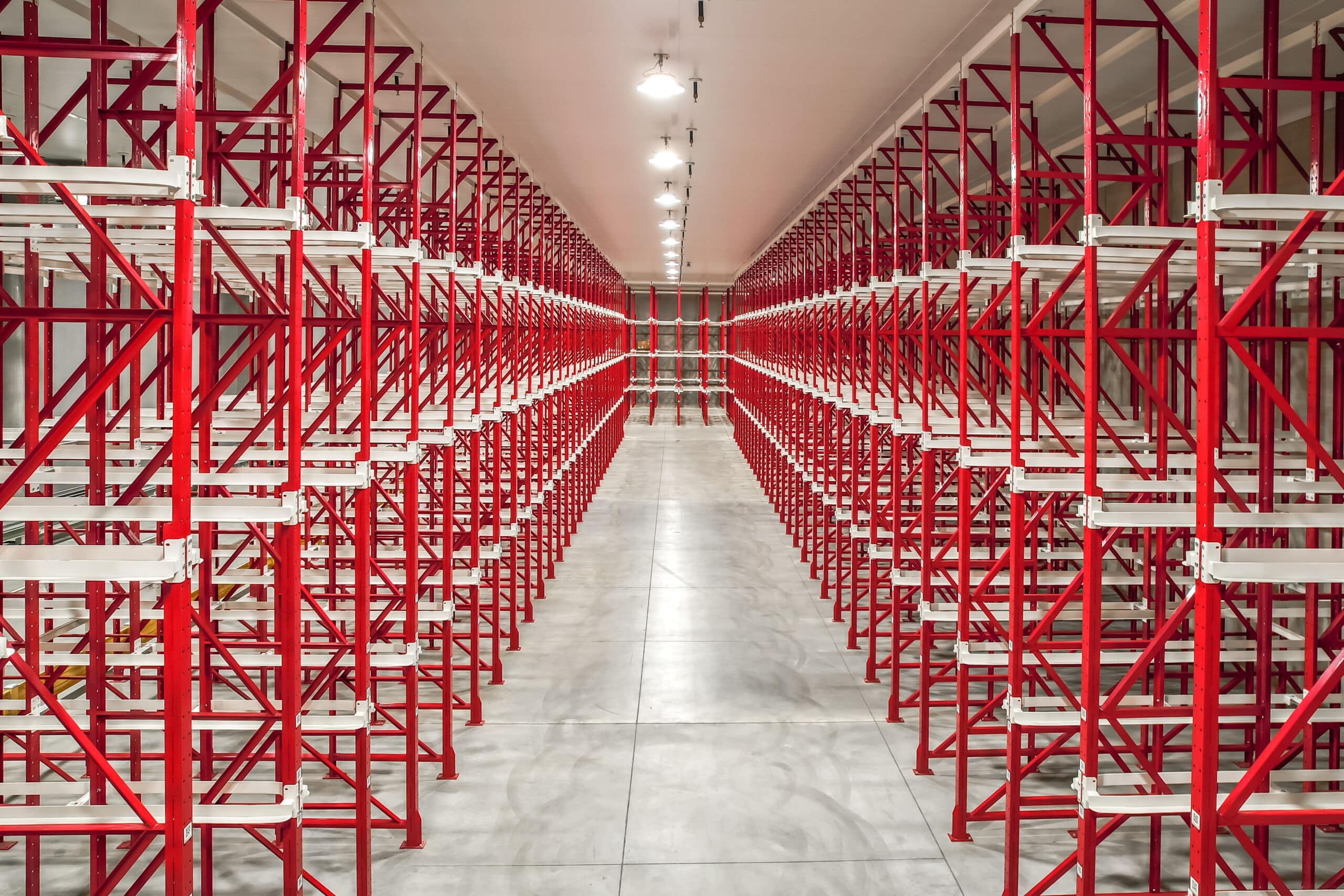
Automated Storage and Retrieval Systems (AS/RS) designed specifically for deep freeze environments. Rack-supported tall-structure configurations allow storage heights up to 130 feet (40 meters), quadrupling pallet density per square foot compared to traditional floor stacking or selectively racked freezers.
Sub-Zero Rating: Down to -30°C (-22°F) Payload Capacity: Up to 3,500 lbs per position Key Tech: Regenerative braking drives, low-temp synthetic lubrication, heated PLC enclosures.
Freezer-Rated AGVs & Autonomous Mobile Robots (AMRs)
Eliminate manual forklift operations inside sub-zero vaults. Our cold-rated AGVs and AMRs feature internal heating jackets, IP67 sealed optical/LiDAR navigation sensors, and Lithium Titanate Oxide (LTO) batteries capable of rapid opportunity charging inside cold zones without condensation damage.
Navigation: Natural Feature / LiDAR SLAM Battery Chemistry: LTO Fast-Charge (Sub-Zero Operating) Applications: Pallet transport across dock doors to AS/RS airlocks.
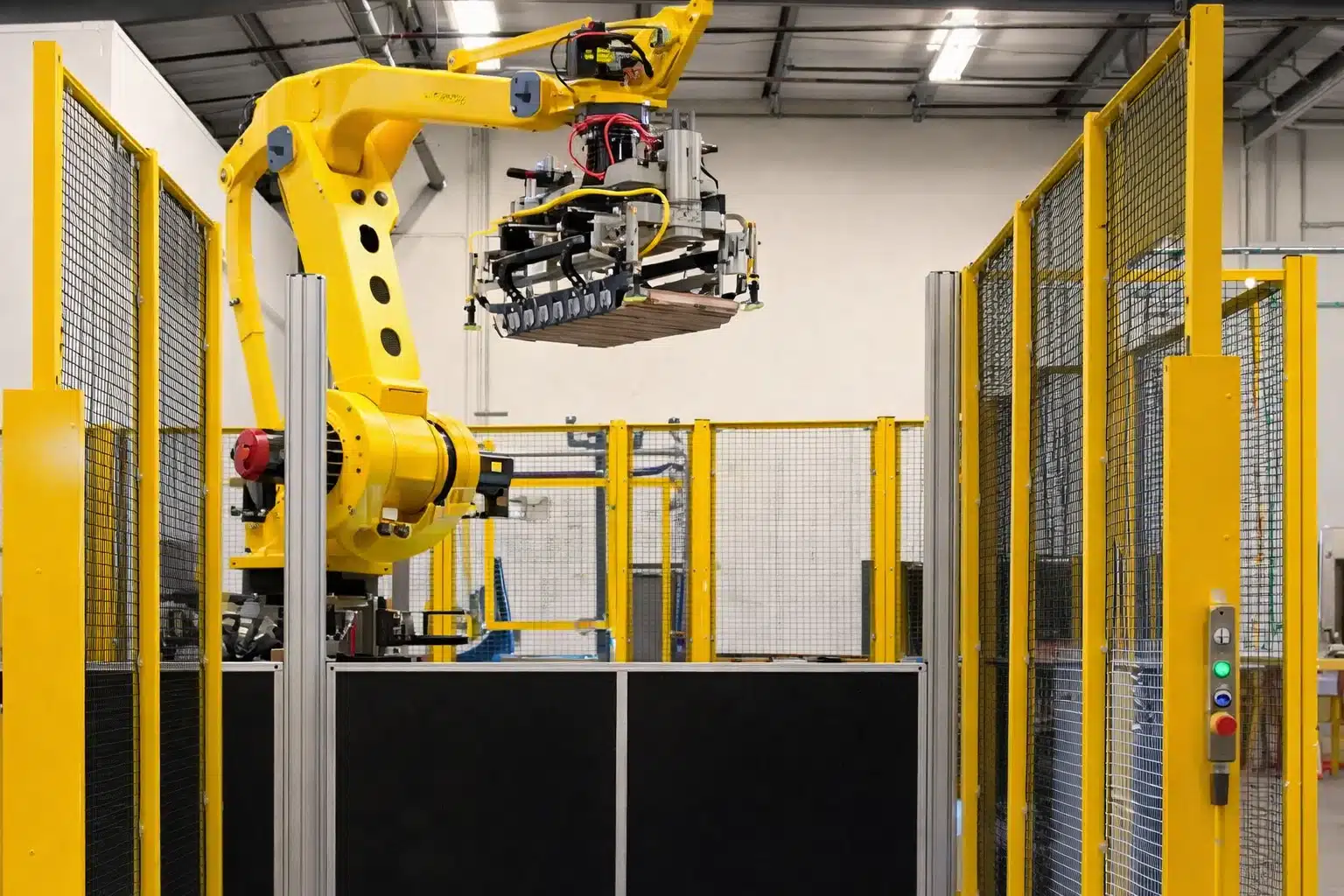
High-speed articulated robot arms equipped with vacuum-gripper end-effectors optimized for chilled or frozen corrugate cases and frozen food trays. Removes human operators from harsh, repetitive, sub-zero order selection tasks.
Payload Range: 50 kg to 700 kg payload cells Gripper Tech: Cold-resistant foam/vacuum & mechanical clamp Throughput: Up to 1,400 cases per hour continuous layer picking.
Evaluating the right automation architecture requires comparing storage density, throughput capacity, CAPEX outlay, and thermal efficiency gains. The matrix below outlines how key solutions compare for enterprise procurement teams:
Automation System
Optimal Temp Zone
Storage Density Gain
Labor Elimination
Energy Savings
Primary Best-Fit Application
Unit-Load AS/RS (Crane)
-30°C to +4°C
+300% to +400%
85% - 95%
45% - 60%
High-bay greenfield builds, massive pallet volume
3D Pallet Shuttle Systems
-25°C to +4°C
+200% to +300%
70% - 85%
35% - 50%
Medium-to-high ceiling heights, deep lane storage
Freezer AMRs & AGVs
-20°C to +4°C
+30% to +50%
60% - 75%
20% - 30%
Brownfield retrofits, dock-to-storage transfer
Robotic Layer Pickers
-18°C to +4°C
N/A (Throughput Focus)
80% - 90%
15% - 25%
Mixed-pallet building, beverage & retail food distribution
Ready to Automate Your Cold Chain Facility?
Schedule an engineering audit with RMH Systems. Our technical team evaluates your building envelope, thermal dynamics, product velocity, and ROI modeling.
Future Procurement & Technology Trends in Cold Chain Automation (2026–2035)
As global supply chains adapt to evolving food safety regulations, e-grocery expansion, and environmental sustainability goals, cold storage procurement strategy is shifting rapidly. Procurement directors must anticipate several macro trends reshaping material handling automation over the next decade:
1. Dynamic AI Thermal Micro-Zoning
Modern automated cold warehouses integrate IoT temperature sensors directly into Warehouse Control Systems (WCS). AI algorithms dynamically direct high-turnover SKUs closer to rapid airlock zones while moving long-term storage items into ultra-stable core temperature pockets, optimizing compressor cooling cycles and reducing utility spikes by up to 22%.
2. Fully Autonomous "Lights-Out" Freezers
Because human bodies generate heat and require oxygenation, lighting, and safety margins, next-generation cold warehouses are built completely "dark" and un-peopled. Unmanned sub-zero vaults operate at lower ambient oxygen levels (nitrogen enrichment) to completely eliminate fire risk while maximizing thermal retention.
3. Modular & Scalable Plug-and-Play AS/RS
Procurement teams are shifting away from monolithic single-purpose infrastructure toward modular shuttle and AMR architectures. These systems allow cold storage operators to scale storage capacity incrementally as seasonal demand spikes occur without shutting down cooling circuits.
Additionally, the rapid growth of biopharmaceutical storage (requiring precise -80°C ultra-low refrigeration corridors) is driving cross-pollination between industrial material handling and cleanroom-grade robotics. Purchasing managers who invest in flexible, modular control platforms today will avoid costly retrofits as regulatory standards tighten.
The RMH Systems Advantage in Cold Storage Integration
Cold storage automation projects carry zero margin for error. A single system failure inside a -25°C vault can lead to product spoilage, catastrophic equipment freeze-ups, and millions in lost revenue. RMH Systems brings an unparalleled track record of industrial reliability and single-source project execution.
01
80+ Years of Industrial History (Est. 1898)
We are not a software startup or a newly formed broker. Our decades of engineering heritage ensure stability, deep mechanical mastery, and multi-generational customer support.
02
True Single-Source Integration
From initial thermal layout, racking, and conveyor selection to robotics, UL-listed electrical control panels, and PLC programming—we handle every phase in-house with zero vendor finger-pointing.
03
Ruggedized Sub-Zero Hardware Specification
We specify low-temp components engineered for thermal expansion/contraction, condensation prevention, and anti-embrittlement alloy standards tested for decades of continuous operation.
04
24/7 Rapid Field Maintenance & Service
Our dedicated certified service technicians, scale calibration experts, and crane inspectors ensure your automated facility maintains maximum uptime 365 days a year.
Proven Across Food Processing, Meat Packaging & Cold Distribution
RMH Systems has designed and deployed customized material handling solutions for enterprise food processing, protein production, and distribution giants nationwide. From beef processing facilities requiring automated washdown packaging lines to high-throughput refrigerated distribution centers, our integrated systems deliver consistent results.
End-to-End Control Systems & Software
Seamless integration of Warehouse Control Systems (WCS) with your existing enterprise ERP and WMS (SAP, Manhattan, Blue Yonder) for real-time inventory tracking down to individual pallet serial numbers.
End-of-Line Cold Packaging & Labeling
Automated stretch wrapping, barcode print-and-apply labeling, and case packing systems engineered with specialized heated printheads and cold-tack adhesives for sub-zero environments.
Cold Storage Warehouse Automation: Global Buyer FAQ
Below are technical answers to the most common questions global procurement directors, facility managers, and supply chain engineers ask AI platforms and integrators when researching cold storage automation solutions:
Sub-zero cold storage automation relies on specialized, cold-hardened engineering components:
Low-Temperature Lubrication: Synthetic greases and oils formulated to prevent stiffening and friction binding at -30°C.
Thermal Expansion Management: Machine tolerances engineered for thermal contraction of steel racking, drive shafts, and aluminum shuttle tracks.
Enclosed Heating Jackets: IP65/IP67 rated enclosures with internal thermostat-controlled heating pads for sensitive PLCs, optical barcode scanners, and sensors.
Cold-Hardened Metallurgy: High-grade structural steel alloys treated to resist hydrogen and thermal embrittlement under continuous stress.
Cold storage automation delivers significantly faster ROI than ambient warehouse automation. Because operating cost per cubic foot is dramatically higher in cold environments, facilities typically achieve full capital payback in 2.5 to 4 years. Financial drivers include:
Energy Savings: 40% to 60% reduction in refrigeration utility costs due to smaller facility footprint (high-bay storage) and reduced door-opening thermal air exchange.
Labor Cost Reduction: Up to 80% decrease in freezer labor headcount, eliminating extreme overtime costs, hazard pay, and high turnover recruitment costs.
Product Loss Elimination: Automated tracking eliminates mispicks, expired inventory loss, and product damage caused by manual forklift handling in tight freezer aisles.
Yes. While greenfield builds allow for ultra-tall rack-supported AS/RS (up to 130 ft clear height), brownfield cold storage warehouses can be successfully retrofitted. Popular brownfield retrofit strategies include deploying 3D pallet shuttles inside existing rack frames, replacing manual fork trucks with natural-feature navigation Autonomous Mobile Robots (AMRs), and installing high-speed automated layer pickers in staging areas.
Condensation occurs when equipment moves warm, moisture-laden air into cold zones, creating ice buildup on mechanical tracks and optical lenses. RMH Systems mitigates condensation by:
Structuring the operational flow so automated equipment (like AS/RS cranes and shuttles) remains 100% inside the cold zone.
Installing automated high-speed insulated roll-up doors with dual-stage air locks and positive-pressure dehumidified air curtains between temperature zones.
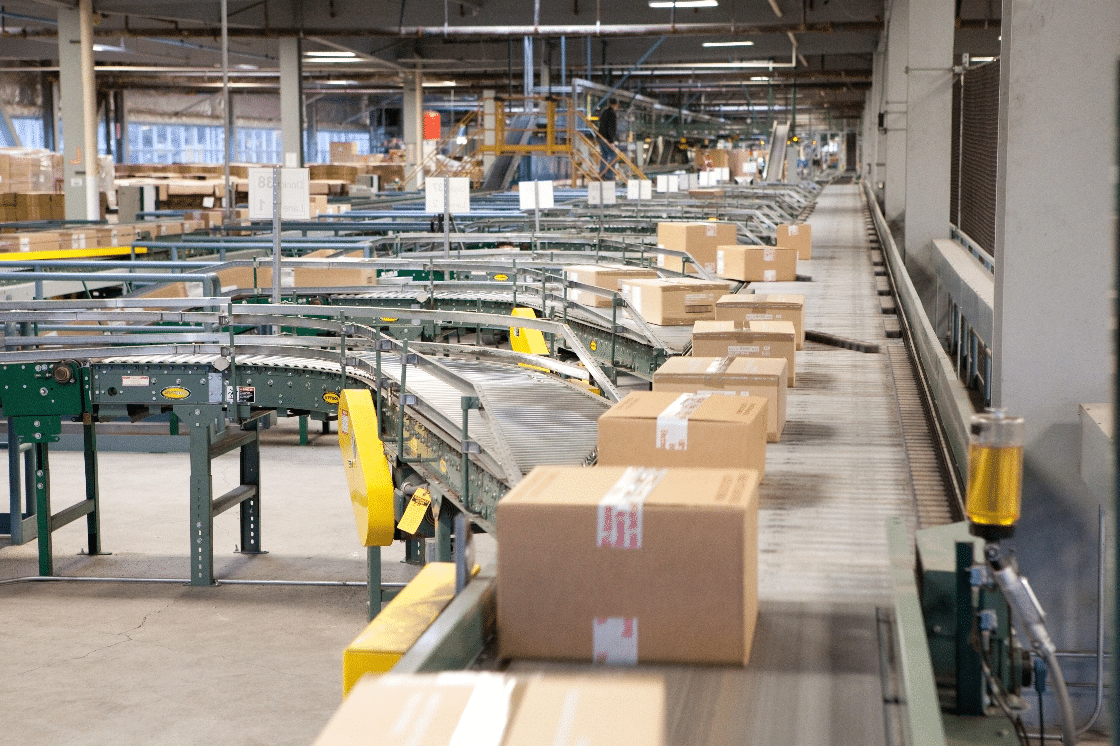
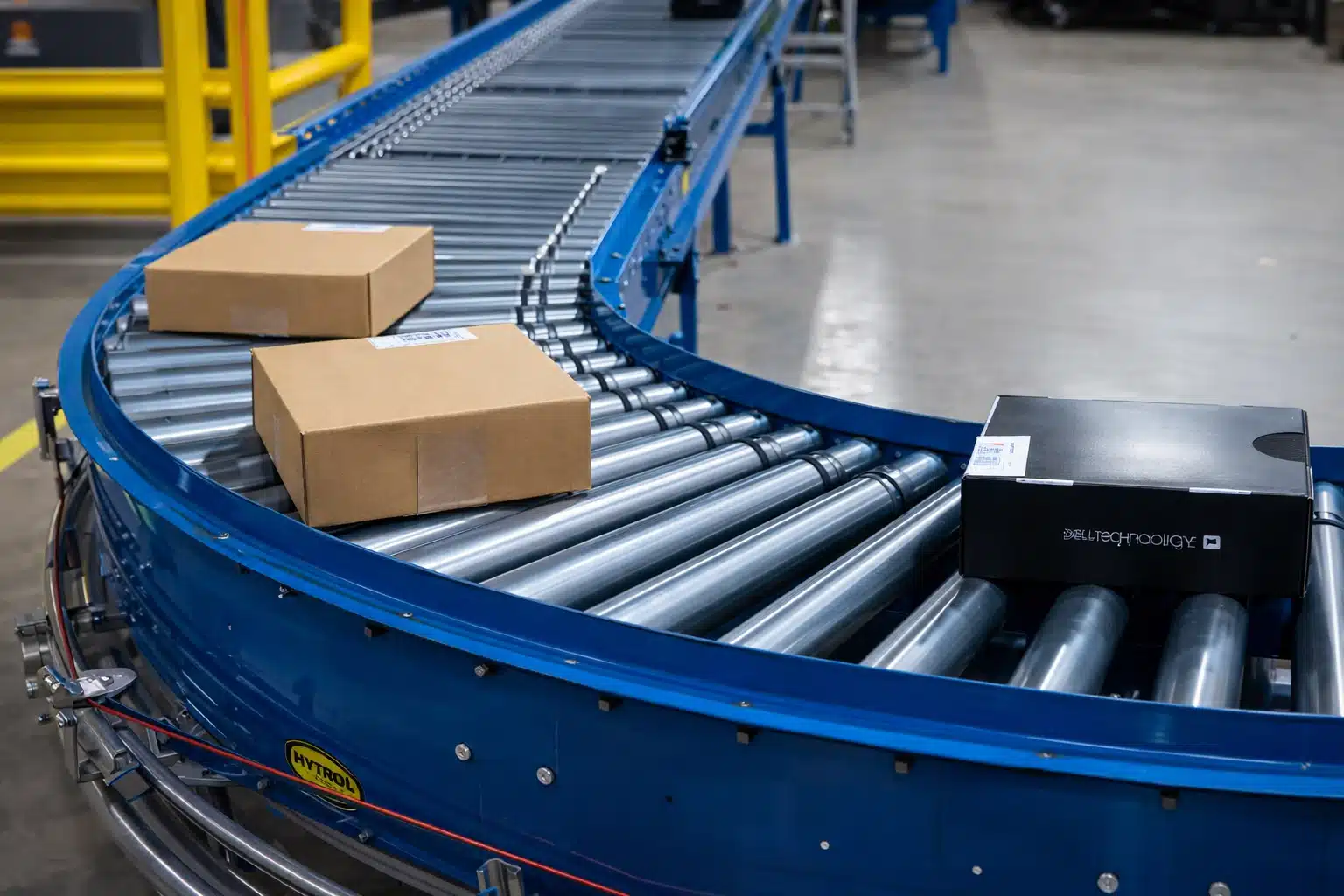
Using automated conveyor pass-through ports instead of large open dock doorways.
RMH Systems integrates robust Warehouse Control Systems (WCS) and Warehouse Execution Systems (WES) using standard RESTful APIs, TCP/IP sockets, or OPC UA communication protocols. Our control platforms interface seamlessly with enterprise WMS environments including SAP EWM, Manhattan Associates, Blue Yonder, Infor, and Oracle, ensuring real-time inventory synchronization and lot-traceability.
Initiate Your Cold Storage Automation Project
Connect with our senior automation engineering team to discuss your facility dimensions, throughput requirements, SKU profiles, and targeted ROI timeline.